
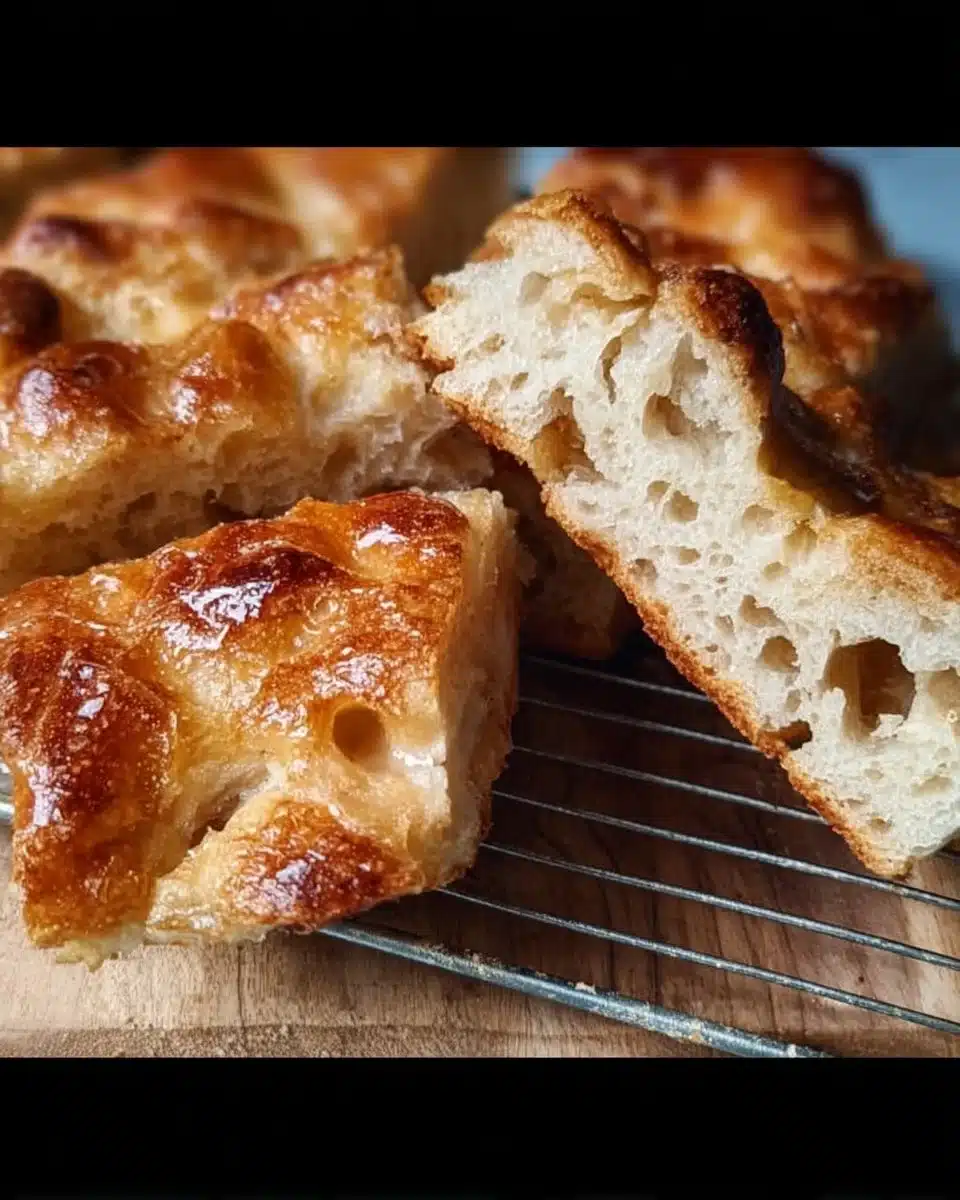
The first time I folded dough and coaxed it into a bubbling, olive-oil-glossed sheet, I called it my Sourdough Focaccia experiment and watched the windows steam while the kitchen smelled like rosemary and the sea. I remember pressing my fingers into the dough and leaving deep dimples, then laughing when the scent of caramelized shallots and thyme began to rise. That day, I learned how simple patience and a lively starter transform flour and water into something buttery, earthy, and utterly comforting; for me, Sourdough Focaccia became the bread I turn to when I want to feed people and soothe a worried heart. For a reliable method that many home bakers trust, see my favorite adapted approach here: sourdough focaccia recipe.
Flavor and Popularity
The Unique Flavor Profile of Sourdough Focaccia
Sourdough Focaccia sings with a balance of tang, salt, and olive oil. Because a natural starter ferments the dough, it develops a mild acidity that brightens rich toppings like caramelized onions, mushrooms, or melted goat cheese. Meanwhile, well-placed dimples trap pools of golden oil and herbs so that every bite delivers a buttery, herbaceous hit. The crumb stays tender yet structured, and the crust crisps in the oven into thin, crackly edges. This combination—tart, savory, and oily in the best way—makes Sourdough Focaccia both deeply traditional and endlessly adaptable.
Sourdough’s fermentation deepens umami and highlights earthy flavors, especially when you add sautéed mushrooms or roasted garlic. In addition, olive oil gives the bread a luxurious mouthfeel, whereas fresh rosemary or thyme lifts the aroma into something almost floral. People call it rustic, but it tastes deliberate: a slow, patient celebration of simple ingredients.
Why This Recipe Is a Family Favorite and Crowd-Pleaser
First, the texture pleases everyone. Children love tearing the soft interior, while seasoned bakers admire the blistered crust. Second, it adapts to any occasion: cut into squares for a cocktail hour, serve thick slices alongside soup for a weeknight, or use it as sandwich bread for a picnic. Because you can top it wildly—think sautéed mushrooms with thyme and a sprinkle of flaky sea salt—it acts as either a starring side dish or a savory centerpiece.
Moreover, Sourdough Focaccia stores well for a day or two and freezes beautifully, so you can feed a crowd without frantic last-minute baking. Finally, the visual appeal matters: a sheet pan studded with rosemary and coarse salt always feels like a warm invitation at the table.
Ingredients and Preparation
Essential Ingredients and Possible Substitutions
- Active sourdough starter (100% hydration): This provides flavor and lift. If your starter is sleepy, feed it 4–8 hours before you mix.
- Bread or all-purpose flour: Bread flour gives a slightly chewier crumb, whereas all-purpose yields a softer texture.
- Water: Use lukewarm, filtered water to encourage fermentation.
- Extra-virgin olive oil: Use good oil both in the dough and to finish the top; it adds flavor and helps crisp the crust.
- Salt: Fine sea salt in the dough and flaky salt to finish.
- Toppings (optional): Fresh rosemary, thyme, caramelized onions, sautéed mushrooms, cherry tomatoes, or coarse black pepper.
Substitutions and notes:
- For whole-grain interest, replace up to 25% of the flour with whole wheat; however, reduce water slightly because whole wheat absorbs more.
- If you prefer a softer, richer crumb, add 1 tablespoon of olive oil to the dough beyond the basic amount.
- For a quick umami boost, fold in a small handful of grated Parmesan or Pecorino before the final rise.
For bakers curious about commercial sourdough loaves or store-bought starters, a helpful reference on loaf types and availability appears in my notes about a widely recommended store option: Aldi sourdough bread.
Step-by-Step Recipe Instructions with Tips
Mix the dough: In a large bowl, combine 500g flour, 350–375g water (start with 350g), 100g active sourdough starter, and 10g fine sea salt. Stir until you have a shaggy mass, then add 2 tablespoons of olive oil. Mix until incorporated. The dough should be tacky and slightly sticky.
Tip: Use a flexible spatula; you want gluten to develop gently rather than aggressively.Autolyse and rest: Let the dough rest, covered, for 30 minutes. This relaxes the flour and speeds fermentation.
Tip: Because this dough hydrates relatively high, it will feel slack; that’s normal.Stretch and fold: Over the next 2–3 hours, perform 3–4 sets of stretch-and-folds at 30–40 minute intervals. Wet your hands and lift one side of the dough, fold it over itself, then rotate the bowl and repeat.
Tip: These folds develop structure without kneading, and they help build the airy crumb.First bulk fermentation: Allow the dough to rest at room temperature until it increases roughly 30–50% in volume and shows bubbles—this may take 4–6 hours depending on starter strength and temperature.
Tip: Warmer kitchens speed fermentation; cooler kitchens slow it.Shape and oil your pan: Generously coat a quarter- or half-sheet pan with olive oil. Gently ease the dough into the pan, turning it to coat all surfaces in oil rather than pressing it flat.
Tip: Don’t degas the dough; coax it gently so you preserve air pockets.Second rise: Cover the pan and let the dough relax and rise until it fills the pan and shows surface bubbles. This usually takes 1.5–3 hours at room temperature.
Tip: For a deeper flavor, refrigerate the dough for an overnight cold proof and bake the next day; this also improves oven spring.Dimple the surface and top: With oiled fingertips, press deep dimples over the surface. Drizzle generously with olive oil, then scatter rosemary, flaky salt, or your chosen toppings like sautéed mushrooms or cherry tomatoes.
Tip: Dimples trap oil and create the signature focaccia texture.Bake: Preheat your oven to 475°F (245°C). Bake for 18–25 minutes, until the top is golden and edges crisp. Rotate mid-bake if your oven has hot spots.
Tip: A hot oven and a well-oiled pan make the crust turn blistered and crisp.Cool and finish: Let the focaccia cool 10–15 minutes in the pan, then transfer to a rack. Finish with a final sprinkle of flaky salt and a drizzle of good olive oil.
Tip: Cutting too early compresses the crumb; patience pays off.

Cooking Techniques and Tips
How to Cook Sourdough Focaccia Perfectly
Bake on a middle rack so the top browns evenly while the bottom crisps. If you like an extra-crisp base, preheat a heavy baking sheet or pizza stone and place your oiled pan on top for the first few minutes of baking to boost oven spring. Use convection carefully: it dries the top quicker, which can create a more blistered look, but reduce temperature by 25°F if using fan assist.
Timing matters. If your dough proofed overnight in the fridge, bring it to room temperature for 30–60 minutes before the final bake; this gives the yeast a gentle nudge. Meanwhile, prepare toppings so they’re ready to press in once you dimple the dough—hot, sautéed toppings clamp into the oil pockets and release more umami.
For even browning, brush a thin coat of oil over the top halfway through baking. The oil caramelizes and deepens flavor, while herbs tucked into dimples roast rather than burn.
Common Mistakes to Avoid
- Over-kneading: Focaccia needs structure, but aggressive kneading ruins the light crumb. Use stretch-and-folds instead.
- Underoiling the pan: If you skimp on oil, the bottom won’t crisp and the bread may stick.
- Not dimpling: Dimples create the texture and hold the oil; shallow dimples yield a different mouthfeel.
- Baking too cool or too hot: Too cool and the center may stay gummy; too hot and edges burn before the middle sets. Preheat thoroughly.
- Using an inactive starter: Always check that your starter shows lively bubbles and a pleasant tang before mixing. If it’s sluggish, feed it ahead of time or give it a warmer spot to wake up.
Health Benefits and Serving Suggestions
Nutritional Value of Sourdough Focaccia
Sourdough fermentation offers digestibility advantages: lactic acid bacteria partially break down gluten and phytic acid, which can make minerals like iron and zinc more available. Although focaccia contains olive oil and often comes across as indulgent, it provides healthy monounsaturated fats, along with energy from carbohydrates. When you top it with sautéed mushrooms or greens, you boost fiber, B vitamins, and phytonutrients, turning a simple bread into a more balanced accompaniment.
Portion wisely: a modest square pairs beautifully with a salad or soup, and adding protein—roasted chicken or white beans on the side—creates a satisfying, nutrient-rich meal.
Best Ways to Serve and Pair This Dish
Sourdough Focaccia shines alongside roasted vegetables, soups, and salads. Serve warm with a bowl of tomato-basil soup or alongside a platter of marinated olives and aged cheeses. For brunch, split the focaccia and layer with prosciutto, fresh arugula, and soft mozzarella for an airy sandwich.
Because it carries herb and oil flavors so well, it also makes a great base for quick pizzas: brush the top with garlic-infused oil, scatter thinly sliced tomatoes, and broil briefly to mimic a skillet-style flatbread. For a vegetarian twist, top with caramelized onions and sautéed mushrooms to bring earthy, savory depth.
Finally, Sourdough Focaccia acts as a fantastic vessel for dipping in olive oil and balsamic, or for sopping up stews and sauces. Its versatility makes it both a humble side dish and a worthy star.
FAQ
What type of mushrooms are best for Sourdough Focaccia?
I prefer cremini or shiitake for their meaty texture and pronounced umami, but chanterelles or oyster mushrooms also work beautifully. Sauté them first in olive oil with garlic and thyme until they brown; that concentrates flavor and prevents releasing too much moisture onto the dough.
Can I use dried garlic instead of fresh?
Yes, but fresh garlic offers brighter aromatics and the best flavor when roasted or minced raw into oil. If you use dried garlic, rehydrate it briefly or add it sparingly because dried granules concentrate and can turn bitter if over-toasted.
How do I store leftover Sourdough Focaccia?
Store cooled focaccia in a breathable container or wrapped loosely in parchment at room temperature for up to two days. For the crispiest crust the next day, reheat in a 350°F oven for 8–10 minutes; the heat revives the texture while preserving the interior tenderness.
Can I freeze Sourdough Focaccia?
Absolutely. Cool completely, then wrap tightly in plastic and place in a freezer bag for up to three months. Thaw at room temperature and re-crisp in a warm oven for 10–12 minutes before serving.
Conclusion
If you’re like me, you cherish breads that smell like home and taste like an open kitchen on a slow afternoon. There’s something comforting about pulling a sheet of golden, herb-studded Sourdough Focaccia from the oven, breaking off a warm piece, and watching faces relax with the first bite. Trust me, you’ll want to make this again and again—not because it demands perfection, but because the gentle rhythm of feeding a starter, folding dough, and topping with whatever you love teaches patience and offers small, delicious rewards. Give it a try this weekend; I promise, the ritual and the flavor will feel like both a treat and a quiet triumph.
Print
Easy Sourdough Focaccia
- Total Time: 180 minutes
- Yield: 12 servings 1x
- Diet: Vegetarian
Description
A comforting and flavorful Sourdough Focaccia, perfect for any occasion with a mix of tang, salt, and olive oil.
Ingredients
- 500g bread or all-purpose flour
- 350–375g lukewarm filtered water
- 100g active sourdough starter (100% hydration)
- 10g fine sea salt
- 2 tablespoons extra-virgin olive oil (plus more for coating)
- Fresh rosemary, thyme, caramelized onions, sautéed mushrooms, cherry tomatoes, or coarse black pepper (for topping)
Instructions
- Mix the dough: In a large bowl, combine flour, water (start with 350g), starter, and salt. Stir until shaggy, then add olive oil and mix until incorporated.
- Autolyse and rest: Let the dough rest, covered, for 30 minutes.
- Stretch and fold: Over the next 2–3 hours, perform 3–4 sets of stretch-and-folds at 30–40 minute intervals.
- First bulk fermentation: Rest the dough at room temperature until it increases in volume by 30–50% and shows bubbles (4–6 hours).
- Shape and oil your pan: Generously coat a baking pan with olive oil and gently place the dough in it.
- Second rise: Cover and let it rise until it fills the pan and shows bubbles (1.5–3 hours).
- Dimple the surface and top: Press dimples into the surface, drizzle with oil, and add toppings.
- Bake: Preheat the oven to 475°F (245°C) and bake for 18–25 minutes until golden.
- Cool and finish: Let cool for 10–15 minutes before transferring to a rack and finishing with flaky salt and olive oil.
Notes
Sourdough Focaccia can be stored at room temperature for up to two days, or frozen for up to three months. Serve it warm with a dipping oil or alongside soups and salads.
- Prep Time: 15 minutes
- Cook Time: 25 minutes
- Category: Bread
- Method: Baking
- Cuisine: Italian
Nutrition
- Serving Size: 1 serving
- Calories: 250
- Sugar: 1g
- Sodium: 300mg
- Fat: 10g
- Saturated Fat: 1g
- Unsaturated Fat: 7g
- Trans Fat: 0g
- Carbohydrates: 34g
- Fiber: 2g
- Protein: 7g
- Cholesterol: 0mg
Keywords: sourdough, focaccia, bread, baking, homemade bread
