
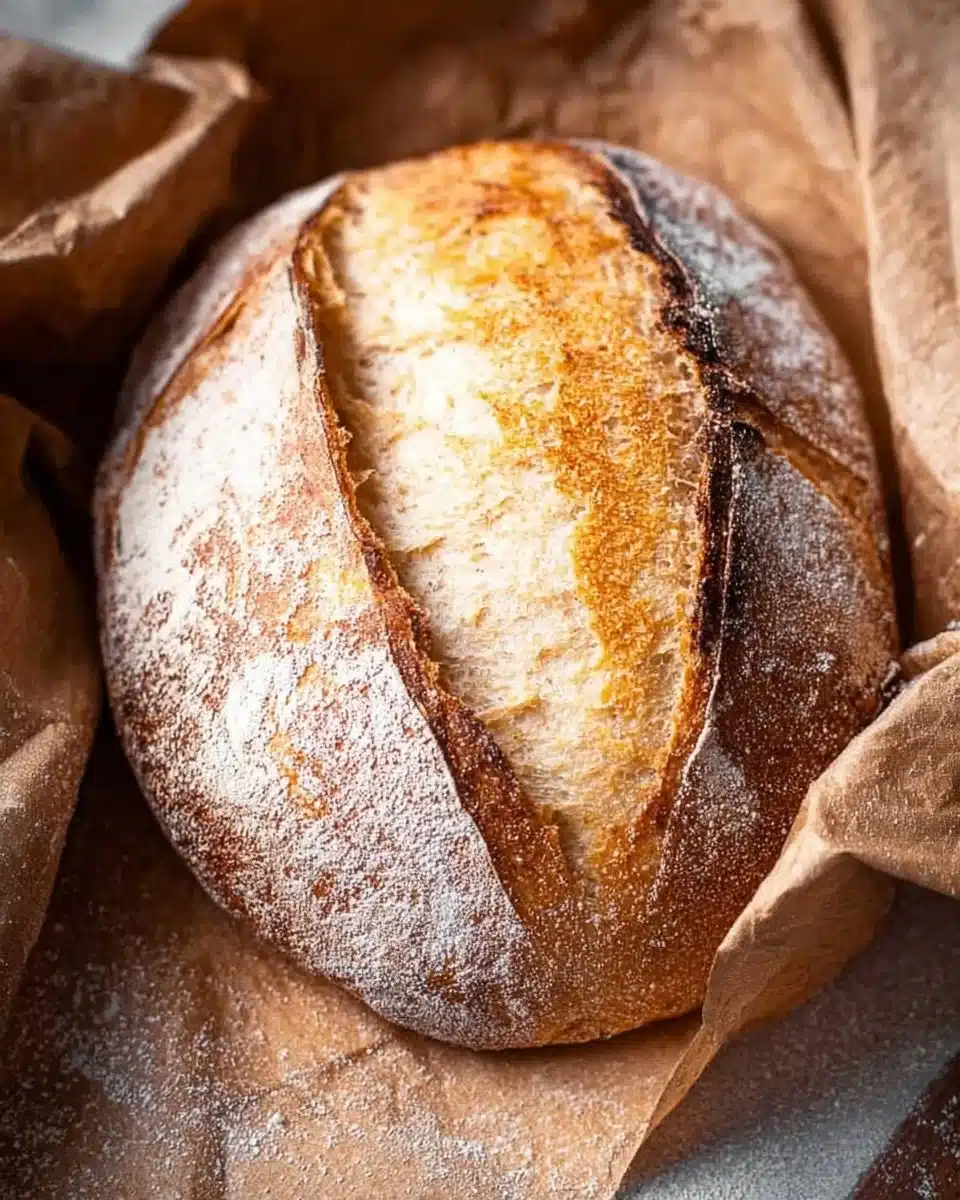
I remember the first time I coaxed a truly singing crust from a stubborn starter: flour dusted my arms, the coastal fog pressed against my windows, and the whole house smelled like warm, toasty comfort. That morning I baked my Best Ever Sourdough Bread and realized bread could hold memory, salt, and time all at once. If you want a local spin on big, blistered loaves, I also reference the best sourdough in Toronto for a comparison of techniques and crust preferences, and you’ll see how small differences change everything.
Flavor and Popularity
The Unique Flavor Profile of Best Ever Sourdough Bread
Sourdough charms people because it balances bright acidity with deep, nutty undertones. In this loaf, a lively starter creates a slightly tangy tang, while long fermentation develops an almost caramel sweetness. Moreover, the Maillard reaction on the crust adds roasted, buttery notes, and the crumb offers chewy pockets that trap olive oil or melted butter. You’ll taste earthy whole-grain echoes when you add a portion of whole wheat, and you’ll notice umami hints if you bake with a rye accent. Finally, herbs and a light brushing of sea salt after baking lift the loaf into savory splendor.
Why This Recipe Is a Family Favorite and Crowd-Pleaser
People return to this loaf because it proves reliable and soulful. Children love tearing the warm crumb; friends show up early hoping for a slice with jam. Meanwhile, the loaf performs on diverse tables: at a lazy weekend brunch, on a picnic, and as the proud centerpiece of a holiday spread. Because it pairs brilliantly with sautéed mushrooms, buttery soups, and herb-forward cheeses, this recipe often disappears first. Consequently, it earns its reputation as the best loaf to bring when you want both comfort and applause.
Ingredients and Preparation
Essential Ingredients and Possible Substitutions
This recipe leans on a short list of honest ingredients. You need:
- Active sourdough starter (feed it 8–12 hours before mixing)
- Bread flour (for strength) with an optional portion of whole wheat or rye for depth
- Filtered water at room temperature
- Fine sea salt for flavor
- Optional: olive oil, fresh herbs, or seeds for finishing
Substitutions and notes:
- If you don’t have bread flour, strong all-purpose flour will work; however, the crumb will be slightly less open.
- For nuttier flavor, replace 10–20% of the flour with whole wheat or rye; yet, do not exceed 30% without adjusting hydration.
- Use mineral-rich water for a livelier fermentation, but if your water is chlorinated, let it sit overnight or use filtered water.
- You can add a tablespoon of honey for a touch of sweetness, though this loaf shines without it.
Step-by-Step Recipe Instructions with Tips
Mix the Levain
- In a clean jar, combine 25 g active starter, 50 g flour, and 50 g water. Cover loosely, and let it sit until bubbly and doubled—about 6–8 hours depending on temperature.
Autolyse and Dough Build
- In a large bowl, combine 500 g bread flour with 350 g water, mixing until no dry flour remains. Cover, and rest for 30–60 minutes to hydrate the flour fully. Then add the levain and 10 g salt. Mix until the dough forms a cohesive mass.
Bulk Fermentation with Gentle Folds
- Allow the dough to rise at room temperature for 3–5 hours, depending on ambient warmth. Every 30–45 minutes for the first 2 hours, perform gentle stretch-and-folds to strengthen the gluten. When the dough shows an airy structure and passes the “poke test,” move to shaping.
Pre-Shape, Bench Rest, and Final Shape
- Lightly flour your bench, turn the dough out, and pre-shape into a round. Let it rest 20–30 minutes. Then, shape more tightly into a boule or bâtard, using tension to create surface strength. Place seam-side up in a floured banneton.
Cold Proof
- Cover the banneton, and refrigerate overnight (8–14 hours). Cold proofing deepens flavor and improves oven spring.
Bake with Steam for a Crisp Crust
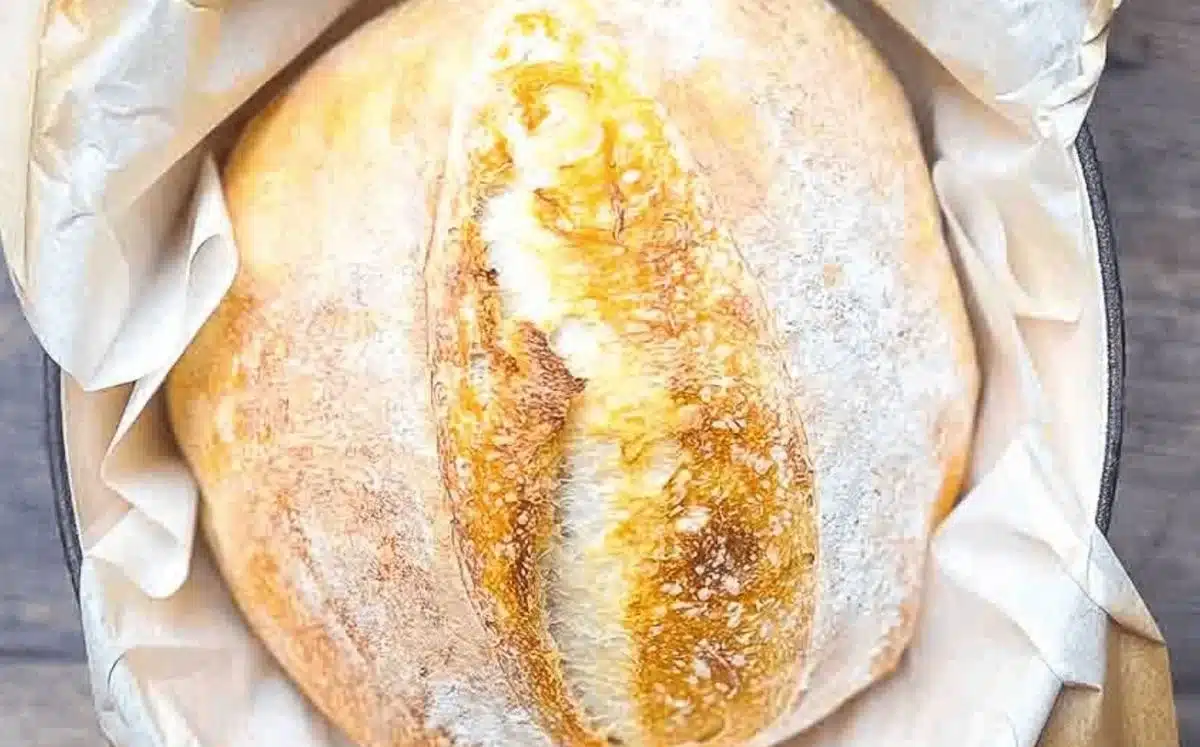
- Preheat your oven with a Dutch oven inside to 500°F (260°C) for at least 45 minutes. When ready, invert the proofed dough onto parchment, score it, and place it into the hot Dutch oven. Reduce heat to 460°F (240°C), cover, and bake 20 minutes. Then remove the lid, lower heat to 430°F (220°C), and bake another 20–25 minutes until deep mahogany. Let the loaf cool at least an hour before slicing.
Tips
- Always weigh ingredients for accuracy.
- If your starter peaks quickly, feed it less before building the levain.
- Use a sharp lame for scoring; a clean, decisive cut helps good oven spring.
- Resting the loaf ensures the crumb sets properly; resist that first tempting slice.
Cooking Techniques and Tips
How to Cook Best Ever Sourdough Bread Perfectly
Heat and steam matter most. Start with a very hot baking vessel to give the dough immediate lift, and trap steam for the first phase of oven time to keep the crust flexible. After the initial steam period, uncover so the crust can blister and caramelize. Meanwhile, rotate the Dutch oven halfway through the uncovered stage if your oven runs hot spots. Additionally, use an instant-read thermometer to check doneness: 205–210°F (96–99°C) in the loaf’s center signals a fully baked crumb. Lastly, cool the bread on a rack to let internal moisture redistribute; otherwise, the crumb can turn gummy.
Common Mistakes to Avoid
New bakers often under-hydrate the dough, and so they miss out on an open crumb. Conversely, too much water without building gluten leads to slack dough that won’t hold shape. Overproofing causes poor oven spring, while underproofing results in a tight interior. Also, cutting the bread too soon steals flavor and texture, so always wait for the loaf to cool. Finally, don’t skimp on scoring—the pattern controls how the loaf expands and it adds rustic appeal.
Health Benefits and Serving Suggestions
Nutritional Value of Best Ever Sourdough Bread
Sourdough ferments in a way that slightly lowers phytic acid, therefore making minerals like iron and magnesium more available. Also, natural fermentation produces organic acids that can ease digestion for some people, and the slow fermentation yields a loaf with a lower glycemic response than fast-processed bread. A slice contains complex carbohydrates that fuel the body and small amounts of protein. If you use whole-grain flour, you’ll add fiber and B vitamins. Overall, this bread contributes to balanced meals when you pair it with lean proteins and vegetables.
Best Ways to Serve and Pair This Dish
Serve slices warm with cultured butter or a drizzle of extra-virgin olive oil and crushed sea salt. For a heartier option, toast thick slices and top them with sautéed mushrooms, garlic, and thyme; the loaf’s tang complements the mushrooms’ earthy umami. For breakfast, spread ricotta and honey, then scatter fresh berries. Also, this bread makes superb sandwiches when paired with roasted vegetables and herbed mayonnaise. Note that if you want to keep the crust crisp longer, store the loaf in a linen bag or paper bag, and for longer storage follow the guidelines in the best way to store sourdough bread guide.
FAQ
What type of mushrooms are best for Best Ever Sourdough Bread?
For topping or dipping, cremini and shiitake deliver robust, earthy flavors that pair nicely with sourdough’s tang. Meanwhile, chanterelles offer a delicate, peppery note, and portobellos provide meaty, savory richness. Sauté mushrooms with butter, garlic, and thyme for a classic match.
Can I use dried garlic instead of fresh?
You can, but fresh garlic brightens the dish more, especially when you sauté mushrooms or make a garlic butter. If you use dried garlic, rehydrate it briefly and adjust quantities because dried forms concentrate flavor.
How do I store leftover Best Ever Sourdough Bread?
Keep leftover loaves whole when possible, and store them at room temperature in a paper bag or wrapped in a linen towel to preserve crust while allowing breathability. For sliced loaves, keep the cut side pressed together or wrapped in beeswax wrap to limit drying. If you plan to consume the bread within two days, avoid plastic because it softens the crust.
Can I freeze Best Ever Sourdough Bread?
Yes. Slice the loaf before freezing for easy portioning, and wrap slices tightly in plastic or freezer paper, then place them in an airtight bag. Freeze for up to three months. Thaw at room temperature or toast directly from frozen for best texture.
Conclusion
If you’re like me, you’ll find baking the Best Ever Sourdough Bread becomes a small ritual that steadies the week and rewards the senses. There’s something comforting about the slow rhythm of feeding a starter, folding dough, and finally hearing that first crackle of crust. Trust me, you’ll want to make this again and again; with each loaf you’ll learn a little more, and each time the bread will taste a bit more like home.
Print
Best Ever Sourdough Bread — Ultimate 5-Step Loaf
- Total Time: 165 minutes
- Yield: 1 loaf 1x
- Diet: Vegetarian
Description
A reliable and soulful sourdough bread with a bright acidity and nutty undertones, perfect for any occasion.
Ingredients
- 25 g active sourdough starter
- 500 g bread flour
- 350 g filtered water
- 10 g fine sea salt
- Optional: olive oil, fresh herbs, or seeds for finishing
Instructions
- Mix the Levain: In a clean jar, combine 25 g active starter, 50 g flour, and 50 g water. Let it sit until bubbly and doubled—about 6–8 hours.
- Autolyse and Dough Build: In a bowl, combine 500 g bread flour with 350 g water and mix until no dry flour remains. Rest for 30–60 minutes. Add the levain and 10 g salt, mixing until cohesive.
- Bulk Fermentation: Allow the dough to rise for 3–5 hours at room temperature, performing gentle stretch-and-folds every 30–45 minutes for the first 2 hours.
- Pre-Shape and Bench Rest: Pre-shape into a round and rest for 20–30 minutes. Shape tightly and place seam-side up in a floured banneton.
- Cold Proof: Refrigerate the banneton overnight (8–14 hours).
- Bake with Steam: Preheat your oven with a Dutch oven to 500°F (260°C). Invert the dough onto parchment, score, and bake covered for 20 minutes, then uncovered for another 20–25 minutes until deep mahogany. Let cool for at least an hour before slicing.
Notes
Always weigh ingredients for accuracy. Use a sharp lame for scoring, and resist cutting the bread too soon after baking.
- Prep Time: 120 minutes
- Cook Time: 45 minutes
- Category: Bakery
- Method: Baking
- Cuisine: American
Nutrition
- Serving Size: 1 slice
- Calories: 180
- Sugar: 0g
- Sodium: 150mg
- Fat: 1g
- Saturated Fat: 0g
- Unsaturated Fat: 1g
- Trans Fat: 0g
- Carbohydrates: 37g
- Fiber: 2g
- Protein: 6g
- Cholesterol: 0mg
Keywords: sourdough bread, baking, homemade bread, artisan bread
