
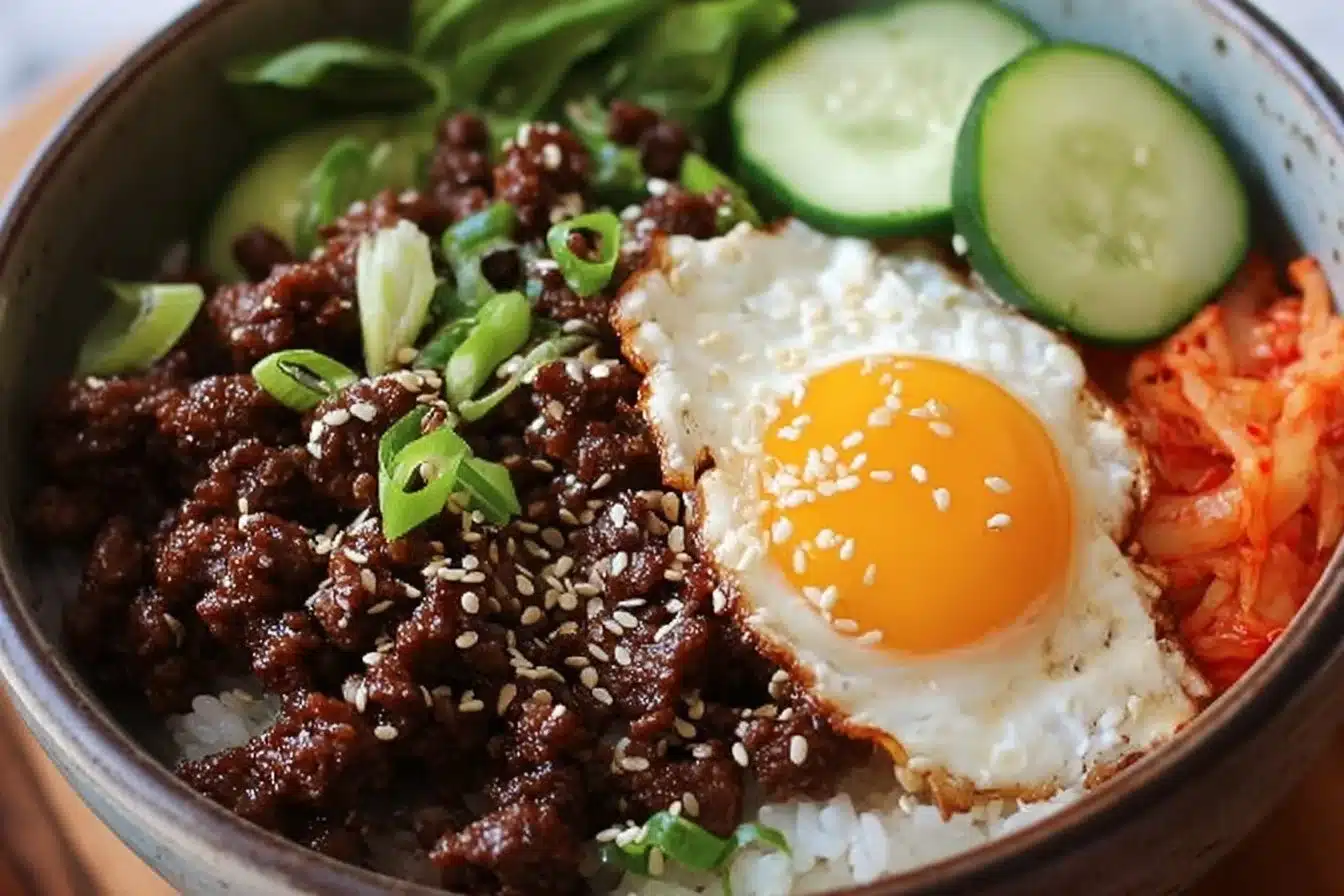
Korean Beef Bowl has become a beloved staple in my kitchen, a reminder of joyful evenings shared around the table with family and friends. I can still recall the first time I discovered this dish during a rainy evening in San Francisco. The air was filled with the enticing aromas of marinated beef sizzling on the stove, garlic dancing with the sound of a hot skillet, as I anticipated that first bite. The experience drew me in—the sweet and savory harmony of flavors was nothing short of enchanting. Each mouthful was a celebration, reinvigorating my love for cooking and above all, for sharing meals that nourish the soul.
Flavor and Popularity
The Unique Flavor Profile of Korean Beef Bowl
Korean Beef Bowl is a delightful combination of flavors that showcases the beauty of Korean cuisine. This dish primarily features tender, marinated beef, often paired with a medley of sautéed vegetables and sticky rice, all drizzled with a soy sauce-based glaze that balances sweet, savory, and umami notes. The incorporation of garlic and ginger lends a fragrant earthiness, while toasted sesame seeds add a delightful nutty crunch.
One of the most extraordinary aspects of a Korean Beef Bowl is its versatility. You can customize it to your heart’s content, adding ingredients such as vibrant bell peppers, fresh spinach, or even sautéed mushrooms. The key is in the marinade, which typically includes soy sauce, brown sugar, sesame oil, and a touch of gochujang, a Korean chili paste that elevates the dish with a subtle kick.
This dish has surged in popularity not just for its incredible flavor but also for its convenience. It whips up in 30 minutes or less, making it perfect for busy weeknight dinners or a relaxed weekend meal. The balance of protein, carbs, and veggies appeals to a wide audience, making it a favorite among families and those seeking comforting, yet reflective, dining experiences.
Why This Recipe Is a Family Favorite and Crowd-Pleaser
Korean Beef Bowl consistently earns rave reviews in my home. It’s not merely about the flavors; it’s the entire experience it fosters. Picture a lively dinner, chatter floating through the air, and a steaming bowl placed at the center of a table full of loved ones. Children can help prepare it—mixing the marinade or arranging the garnishes—making it a fun family affair.
I fondly recall evenings when my children, armed with chopsticks, raced against each other to see who could build the tallest tower of crispy vegetables atop their rice. The laughter, the stories shared, and the captivating food all meld together into a heartwarming tapestry of memories. It’s a dish that transcends generations, evoking laughter and comfort, and lighting up faces as they dig in.
Ingredients and Preparation
Essential Ingredients and Possible Substitutions
To whip up a phenomenal Korean Beef Bowl, you’ll need several key ingredients. Here’s a handy list:
- Thinly sliced beef (such as flank steak or ribeye)
- Soy sauce
- Brown sugar
- Sesame oil
- Garlic (fresh is best, but dried works)
- Gochujang (for that spicy kick)
- Rice (jasmine or sticky rice are lovely choices)
- Fresh vegetables (like carrots, bell peppers, and spinach)
- Green onions and sesame seeds for garnishing
Don’t fret if you can’t find a specific ingredient! You can easily substitute flank steak with chicken or tofu for a vegetarian option. Using coconut aminos instead of soy sauce offers a gluten-free variant that retains lovely flavors. Feel free to experiment with different vegetables; bok choy and zucchini can add delightful textures while incorporating seasonal produce into your meal.
Step-by-Step Recipe Instructions with Tips
Marinate the Beef: In a bowl, mix soy sauce, brown sugar, sesame oil, minced garlic, and gochujang. Add the beef, ensuring every slice is coated, and let it marinate for at least 30 minutes or overnight for the best flavor.
Prepare the Rice: While the beef marinates, prepare the rice according to the package instructions. For extra flavor, cook the rice in broth instead of water.
Cook the Vegetables: Heat a skillet over medium-high heat and add a touch of oil. Sauté your choice of vegetables until just tender, ensuring they retain their vibrant color and crunch. Remove them from the skillet and set aside.
Cook the Beef: In the same skillet, add a little more oil if necessary, and cook the marinated beef on high heat until it’s browned and caramelized. Approximately 2-3 minutes is ideal for thin slices.
Combine: Return the cooked vegetables to the skillet and mix until everything is well combined and heated through.
Serve: To serve, place a generous scoop of rice in a bowl, top with the flavorful beef and vegetable mixture, and garnish with green onions and sesame seeds. Enjoy your Korean Beef Bowl hot!
Tip: For added richness, drizzle a little more sesame oil over each bowl just before serving.
Cooking Techniques and Tips
How to Cook Korean Beef Bowl Perfectly
Cooking a Korean Beef Bowl to perfection hinges on a few essential techniques. Firstly, ensuring your beef is thinly sliced is crucial; this allows it to cook quickly and evenly, locking in the juices and flavor. Using high heat is equally important, as this gives your meat that lovely caramelization and a bit of char that enhances the dish’s complexity.
Don’t overcrowd the pan while cooking. If you have a larger batch, it’s wise to cook in batches to achieve that perfect sear. Finally, allowing the beef to rest for a couple of minutes after cooking ensures that the juices redistribute, providing a more succulent, tender bite.
Common Mistakes to Avoid
One common pitfall of making a Korean Beef Bowl is neglecting the marinade. Allowing your beef to soak up the flavors is essential—don’t rush this step! Similarly, ensure you don’t overcook the vegetables; you want them vibrant and crisp, not mushy. Lastly, always taste your dish as you go; adjusting seasoning during the cooking process can elevate your meal from good to stellar.
Health Benefits and Serving Suggestions
Nutritional Value of Korean Beef Bowl
Korean Beef Bowl excels as a well-rounded meal, offering a healthy balance of protein, fiber, and carbohydrates. Lean beef brings protein to the table, essential for muscle repair and immune function. Vegetables like carrots and spinach are packed with vitamins, minerals, and dietary fiber, promoting digestive health and overall well-being.
The dish is also versatile when it comes to health considerations. For those looking to reduce carbs, cauliflower rice serves as an excellent alternative, while using low-sodium soy sauce can make it heart-healthy without sacrificing that beloved flavor.
Best Ways to Serve and Pair This Dish
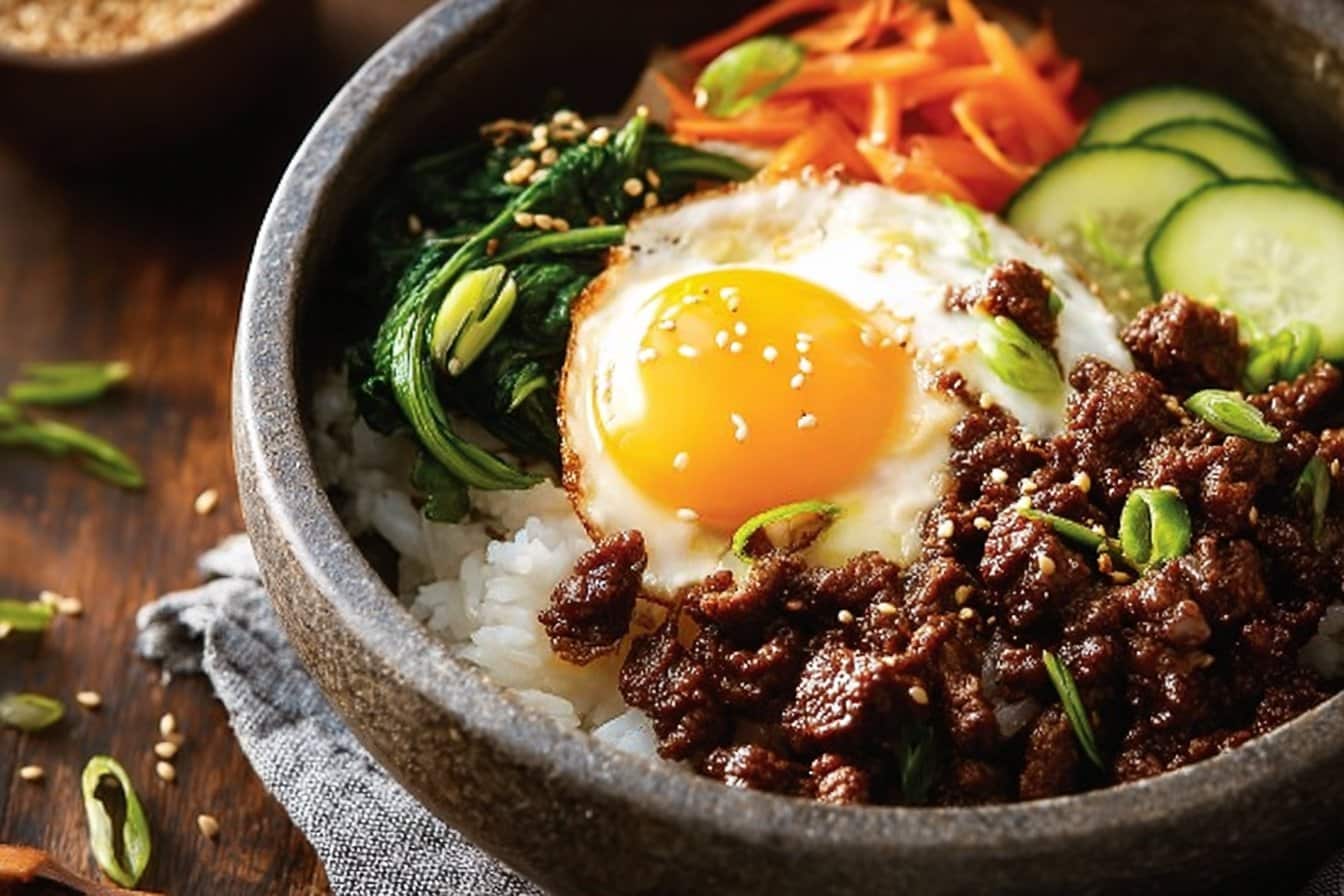
Served warm or hot, Korean Beef Bowls are incredibly adaptable. Pair them with a refreshing cucumber salad sprinkled with sesame seeds to add a cooling contrast to the warmth of the dish. For a more filling meal, serve alongside kimchi or pickled vegetables, which add a delightful tang and additional health benefits.
Garnishing with fresh herbs like cilantro can introduce an aromatic touch, while drizzle of chili oil can entice those who appreciate heat. Don’t forget to have plenty of rice on the side; it perfectly balances the rich, savory sauce.
FAQ Section
What type of mushrooms are best for Korean Beef Bowl?
While shiitake mushrooms are the most popular choice due to their robust umami flavor, other varieties like cremini or button mushrooms can also enhance the dish. Whichever you choose, ensure they are fresh for the best texture and taste.
Can I use dried garlic instead of fresh?
Absolutely! Using dried garlic offers convenience and maintains a garlicky flavor, but keep in mind that fresh garlic brings a remarkable brightness and aroma. If you opt for dried garlic, use about one-third of the amount compared to fresh.
How do I store leftover Korean Beef Bowl?
Store leftovers in an airtight container in the refrigerator for up to 3-4 days. Reheat gently in a skillet on low heat to maintain the beef’s tenderness.
Can I freeze Korean Beef Bowl?
Yes, you can freeze the beef and vegetable mixture separately from the rice. Place them in airtight containers or freezer bags; they last up to three months. When ready to eat, simply thaw and reheat, and prepare fresh rice to serve them over.
Conclusion
If you’re like me, finding solace in cooking is one of life’s little pleasures. There’s something comforting about crafting a Korean Beef Bowl, transforming simple ingredients into a delightful feast that warms the heart. Each bowl evokes sweet memories and serves as a vessel for new ones waiting to be made. Trust me, you will want to make this again and again, sharing it with loved ones who’ll be just as enchanted as I was the first time. So roll up your sleeves, gather your ingredients, and let the magic of a Korean Beef Bowl dance into your kitchen.
Korean Beef Bowl
- Total Time: 45 minutes
- Yield: 4 servings 1x
- Diet: Gluten-free option available
Description
A delightful Korean Beef Bowl featuring tender marinated beef, sautéed vegetables, and sticky rice drizzled with a savory soy sauce glaze.
Ingredients
- 1 lb thinly sliced beef (flank steak or ribeye)
- 2 tbsp soy sauce
- 2 tbsp brown sugar
- 1 tbsp sesame oil
- 2 cloves garlic, minced
- 1 tbsp gochujang (Korean chili paste)
- 2 cups rice (jasmine or sticky rice)
- 2 cups fresh vegetables (carrots, bell peppers, spinach)
- Green onions and sesame seeds for garnishing
Instructions
- Marinate the Beef: Mix soy sauce, brown sugar, sesame oil, minced garlic, and gochujang. Marinate beef for at least 30 minutes.
- Prepare the Rice: Cook rice according to package instructions, ideally in broth for added flavor.
- Cook the Vegetables: Sauté vegetables in a heated skillet until tender and vibrant.
- Cook the Beef: In the same skillet, cook marinated beef on high heat until browned, about 2-3 minutes.
- Combine: Return cooked vegetables to the skillet and mix until heated through.
- Serve: Place rice in bowls, top with beef and vegetables, and garnish with green onions and sesame seeds. Drizzle with more sesame oil, if desired.
Notes
Use cauliflower rice for a low-carb alternative or coconut aminos for a gluten-free option.
- Prep Time: 30 minutes
- Cook Time: 15 minutes
- Category: Main Course
- Method: Sautéing
- Cuisine: Korean
Nutrition
- Serving Size: 1 serving
- Calories: 450
- Sugar: 6g
- Sodium: 600mg
- Fat: 15g
- Saturated Fat: 3g
- Unsaturated Fat: 10g
- Trans Fat: 0g
- Carbohydrates: 50g
- Fiber: 4g
- Protein: 25g
- Cholesterol: 60mg
Keywords: Korean Beef, Easy Recipe, Family Dinner, Quick Meal, Comfort Food
