
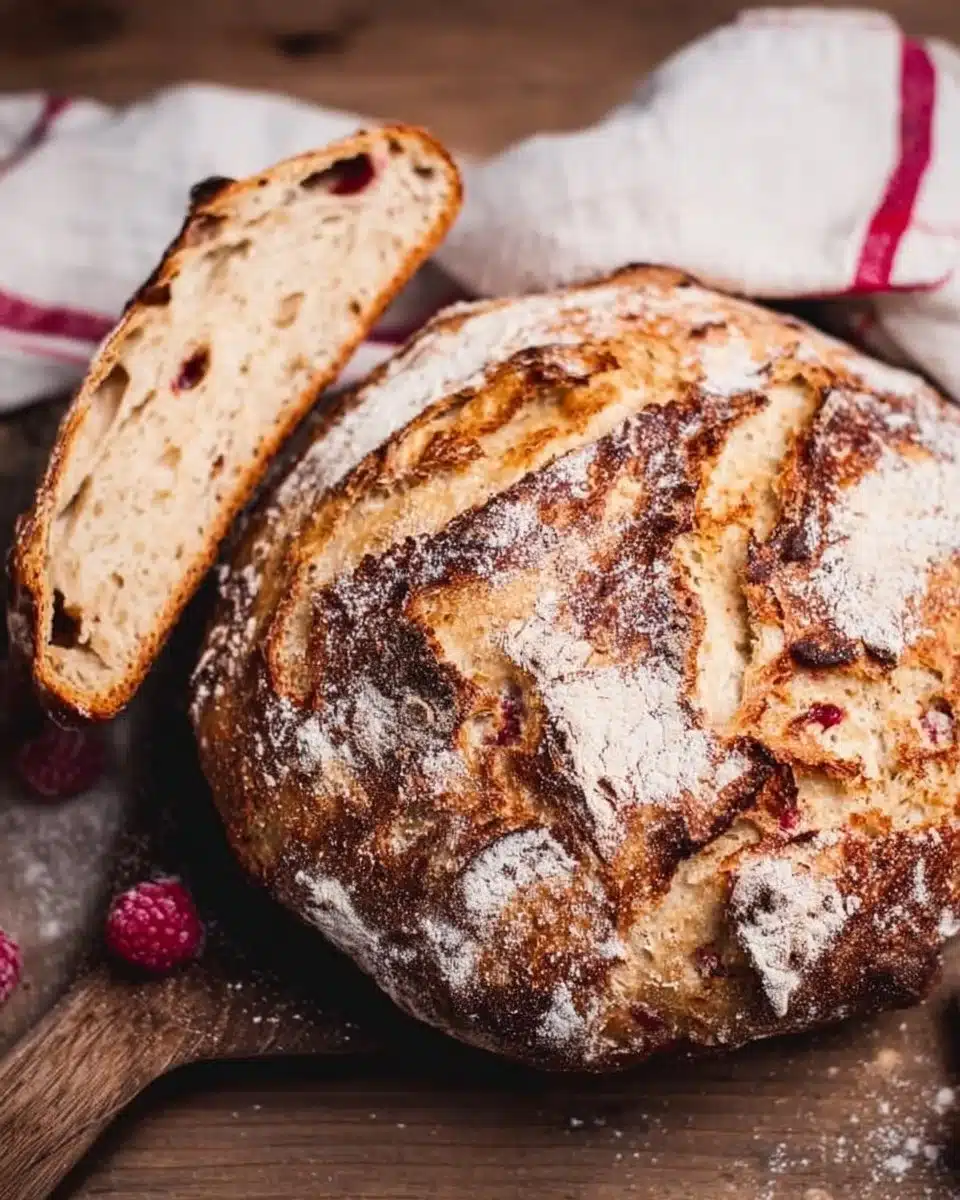
I first fell in love with The Most Beautiful Sourdough Bread on a rainy afternoon in my nonna’s kitchen, and I remember the way the crust crackled like a secret when she sliced it. The dough felt alive under my palms, and because I wanted to learn everything, I compared recipes and even bookmarked an Aldi sourdough loaf write-up to study different shaping methods. That day taught me that beauty in bread starts with patience, and that the scent of caramelized crust and tangy crumb can feel like coming home.
Flavor and Popularity
The Unique Flavor Profile of The Most Beautiful Sourdough Bread
The Most Beautiful Sourdough Bread tastes simultaneously bright and deeply comforting, because the long fermentation brings lively acidity while the Maillard reaction creates nutty, caramel notes in the crust. You’ll notice an earthy, slightly lactic tang that complements roasted vegetables, while buttery and umami toppings highlight the loaf’s complexity. Moreover, artisanal techniques such as stretch-and-fold develop a gentle chew, and scoring the dough creates dramatic ear-shaped crusts that capture light and invite admiration.
This loaf gained popularity not only for its flavor but also for its visual appeal. People share photos of its blistered crust and open crumb, and home bakers try new scoring patterns as a creative side dish to their dinner table. Additionally, the recipe adapts well; bakers add herbs, seeds, or sautéed mushrooms to create savory variations that keep appetite and interest alive.
Why This Recipe Is a Family Favorite and Crowd-Pleaser
Because this recipe balances showmanship with reliability, families adopt it as a weekend ritual. The exterior becomes glossy and crisp, and the interior remains tender and airy. Guests often compliment the crust’s crunch, and children love tearing off warm pieces, slathering them with herb butter. Trust me, the presence of this bread at a table makes even a simple soup feel celebratory.
Ingredients and Preparation
Essential Ingredients and Possible Substitutions
You will need only a few ingredients, and you can substitute thoughtfully without losing character. Below I list essentials and common swaps.
- Active sourdough starter (ripe and bubbly)
- Bread flour (strong flour) — for strength and chew
- Whole wheat or rye flour — optional for depth and color
- Water (lukewarm)
- Sea salt
Possible substitutions and additions:
| Ingredient | Purpose | Substitution or note |
|—|—:|—|
| Bread flour | Structure and gluten | Use all-purpose + 30–50g vital wheat gluten if needed |
| Whole wheat | Flavor and nutrients | Substitute with rye for earthiness, but reduce percentage |
| Water | Hydration | Use filtered water for cleaner fermentation |
| Salt | Flavor and crust | Do not substitute with low-sodium salts for texture |
| Starter | Leavening and tang | Use a stiff starter for milder tang, or fed starter for more rise |
Feel free to add sautéed garlic and mushrooms or fresh herbs for a savory loaf, because these LSI flavors—sautéed, skillet, buttery, herbs, earthy, umami—pair wonderfully.
Step-by-Step Recipe Instructions with Tips
Follow these steps and add small rituals that make the result consistent and beautiful. Always keep your starter lively; feed it several hours before you mix.
Ingredients (for one 900–1,000g loaf)
- 500g bread flour
- 75g whole wheat flour (optional)
- 375–400g water (75–80% hydration), plus extra for adjustments
- 100g active sourdough starter (100% hydration)
- 10g sea salt
- Optional: 50–75g sautéed mushrooms and garlic, cooled; or 2 tbsp mixed seeds
Instructions
- Mix the dough: First, combine water and starter in a large bowl and stir until the starter dissolves. Then add the flours and mix until no dry flour remains. Cover and rest for 30 minutes (autolyse). This helps gluten form without overworking.
- Add salt: Next, sprinkle the salt and fold the dough in the bowl. Use a pinching motion to incorporate; because salt tightens gluten, take care to mix thoroughly.
- Bulk fermentation with folds: Perform four sets of stretch-and-folds every 30 minutes for two hours. Between folds, rest the dough. During this time, the dough will strengthen and trap gas.
- Add inclusions (if using): After the first or second fold, gently fold in sautéed mushrooms, garlic, herbs, or seeds. Do not overmix; the dough should remain airy.
- Shape the loaf: After bulk fermentation doubles, turn the dough onto a lightly floured surface. Pre-shape into a loose round, rest for 20 minutes, then tighten the shape by cupping the dough and dragging it toward you to create surface tension.
- Final proof: Place the dough seam-side up in a well-floured banneton or bowl lined with a towel. Refrigerate overnight for a slow, flavorful proof, or proof at room temperature for 2–4 hours until slightly puffy.
- Score and bake: Preheat a Dutch oven to 250°C (480°F) for 45 minutes. Carefully turn the dough onto parchment, score with a lame to control expansion, then place it in the hot Dutch oven. Bake covered for 20 minutes, then reduce temperature to 230°C (450°F), remove the lid, and bake 20–25 minutes until deeply caramelized.
- Cool properly: Remove the bread from the oven and cool on a wire rack for at least 1 hour. Because the crumb continues to set, cutting too early ruins structure.
Baker’s tips
- Use a digital scale for accuracy and consistency, because grams prevent guesswork.
- Control hydration: if your dough feels too sticky, add flour in small increments; if too stiff, add a tablespoon of water at a time.
- Score with intention: shallow, confident cuts create impressive ears and controlled bloom.
- For a shinier crust, brush with water or steam in the oven during the first 10 minutes; however, avoid over-steaming if you want a thick, crisp crust.
Cooking Techniques and Tips
How to Cook The Most Beautiful Sourdough Bread Perfectly
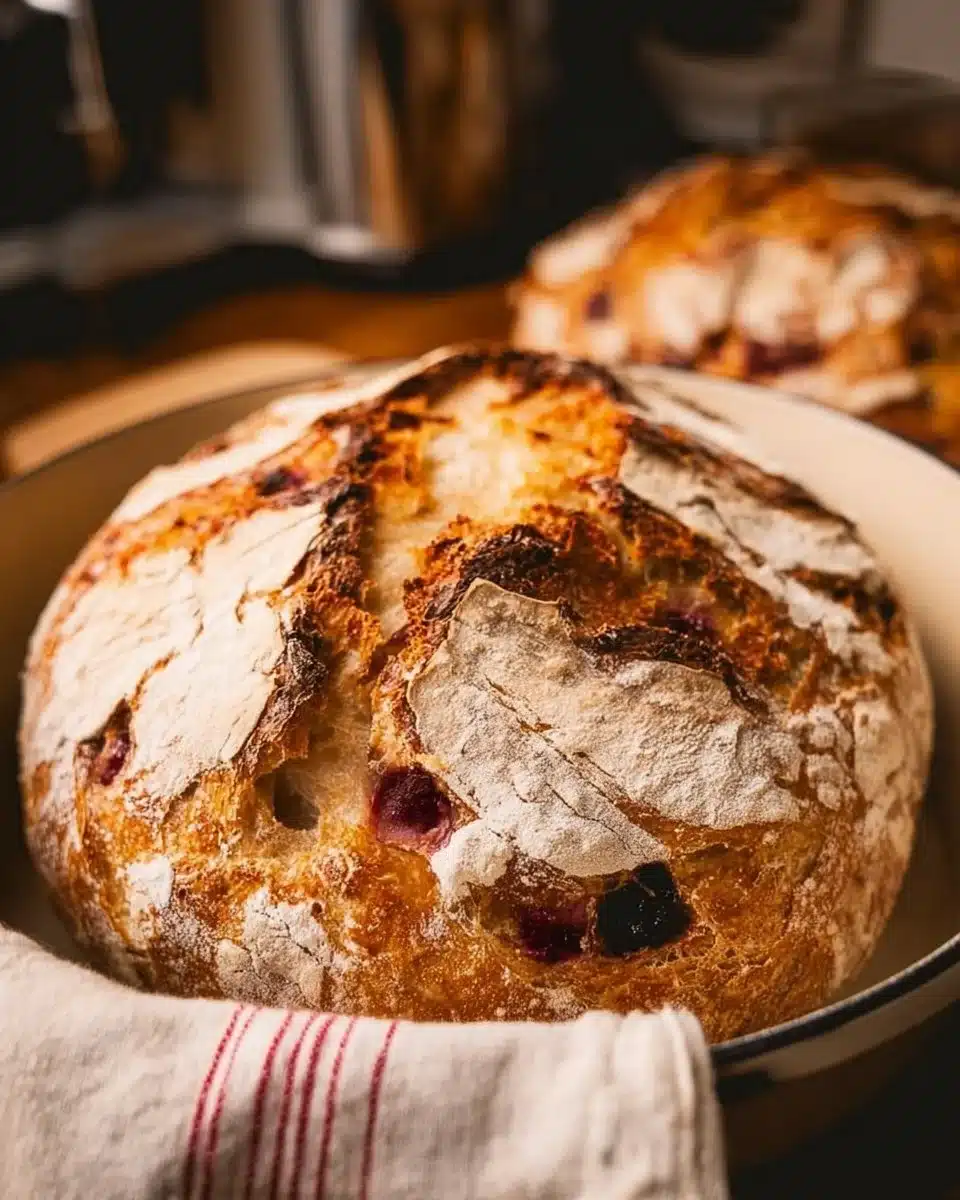
Cook with attention to heat, steam, and timing, because these three elements transform dough into an artisan loaf. First, preheat your Dutch oven or baking stone thoroughly. Then, introduce steam for the first stage—this delays crust formation and allows the loaf to expand, so you get a lofty profile and a glossy surface. Finally, reduce heat for the final bake to deepen color without burning the crust.
Practical technique checklist:
- Use a preheated Dutch oven to trap steam, therefore creating oven-spring.
- Score with a fresh blade; then slash quickly to avoid degassing.
- Rotate the loaf midway through the uncovered bake if your oven bakes unevenly.
- Test doneness by tapping the bottom; a hollow sound indicates a finished crumb, and an internal temperature of about 96°C (205°F) ensures full bake.
Common Mistakes to Avoid
Avoid common missteps that ruin potential beauty. First, do not underfeed your starter; a sluggish starter yields dense loaves. Next, overproofing produces flattened shapes and a dull crumb. Also, underbaking leaves a gummy center, while overbaking makes the crust too bitter. Finally, avoid skipping the bench rest; it helps form tension for a neat bloom.
Watch for these signs and react:
- Dough won’t rise much: feed the starter and warm the room slightly.
- Dough collapses after shaping: shorten final proof and handle gently.
- Tough crust with low oven-spring: check your steam method and scoring depth.
Health Benefits and Serving Suggestions
Nutritional Value of The Most Beautiful Sourdough Bread
The Most Beautiful Sourdough Bread offers a gentle nutrition profile because sourdough fermentation breaks down phytic acid and partially pre-digests starches. Therefore, some people digest it more easily than commercial yeasted bread. Whole-grain additions increase fiber, while seeds add healthy fats and protein. Although sourdough remains a carbohydrate-rich food, it provides complex flavors and a slower glycemic response when made with whole grains.
Nutritional highlights per typical slice (approximate)
- Calories: 120–180 (varies by flour and hydration)
- Carbohydrates: moderate, with gradual digestion due to fermentation
- Fiber: higher if you use whole wheat or rye
- Micronutrients: iron, B vitamins, and minerals increase with whole grains
Best Ways to Serve and Pair This Dish
Serve The Most Beautiful Sourdough Bread warm with butter and sea salt, because simplicity showcases the crumb and crust best. Additionally, pair it with soups, roasted vegetables, or a sautéed mushroom ragù to highlight the bread’s earthy notes. For brunch, toast slices lightly, then spread ricotta and drizzle with honey, or top with wilted greens and a fried egg for a savory treat. Moreover, use thick slices for sandwiches because the structure holds fillings well.
Because pairing matters, try these ideas:
- With olive oil, rosemary, and flaky salt for an herb-forward snack.
- As a base for bruschetta topped with umami-rich sautéed mushrooms and garlic.
- Alongside a robust stew or tomato soup, where the bread acts as a satisfying side dish and sponge.
Throughout the baking world, home bakers vary their methods, and if you want to explore regional favorites or store-bought inspirations, read my notes on the best sourdough bread in Toronto for ideas on texture and scoring styles.
FAQ
What type of mushrooms are best for The Most Beautiful Sourdough Bread?
Choose mushrooms with firm texture and deep flavor, such as cremini, shiitake, or oyster mushrooms. Sauté them until caramelized to concentrate umami, and then fold them gently into the dough to avoid adding excess moisture.
Can I use dried garlic instead of fresh?
You can use dried garlic for convenience, however fresh sautéed garlic gives a brighter, more balanced flavor. If you use dried garlic, rehydrate it briefly or add it sparingly to avoid overpowering the dough.
How do I store leftover The Most Beautiful Sourdough Bread?
Store leftover sourdough at room temperature in a paper bag or wrapped in a clean kitchen towel, because this preserves the crust better than plastic. If you plan to eat it within two days, avoid refrigeration since it speeds staling.
Can I freeze The Most Beautiful Sourdough Bread?
Yes, freeze whole or sliced loaves for longer storage. First cool completely, then wrap tightly in plastic and foil, and freeze. When ready, thaw at room temperature or reheat slices directly in a toaster or oven for crisp warmth.
Conclusion
If you’re like me, you will treat The Most Beautiful Sourdough Bread like a small celebration each time it comes from the oven. There’s something comforting about the ritual of feeding a starter, the slow rhythm of folds, and then finally the crackle when you slice the loaf. Trust me, you’ll want to make this again and again — and each time, you’ll discover something new in the aroma, the crust, and the company it brings to your table.

The Most Beautiful Sourdough Bread
- Total Time: 105 minutes
- Yield: 1 loaf 1x
- Diet: Vegetarian
Description
A delightful sourdough bread with a crisp crust and tender interior, perfect for pairing with soups and spreads.
Ingredients
- 500g bread flour
- 75g whole wheat flour (optional)
- 375–400g water (75–80% hydration), plus extra for adjustments
- 100g active sourdough starter (100% hydration)
- 10g sea salt
- Optional: 50–75g sautéed mushrooms and garlic, cooled; or 2 tbsp mixed seeds
Instructions
- Mix the dough: In a large bowl, combine water and starter until dissolved, then add flours and mix until no dry flour remains. Cover and rest for 30 minutes.
- Add salt: Sprinkle salt and fold the dough in the bowl.
- Bulk fermentation with folds: Perform four sets of stretch-and-folds every 30 minutes for two hours.
- Add inclusions: If using, gently fold in mushrooms, garlic, herbs, or seeds.
- Shape the loaf: Turn onto a lightly floured surface, pre-shape into a round, rest for 20 minutes, then tighten the shape.
- Final proof: Place dough seam-side up in a floured banneton; refrigerate overnight or proof at room temperature for 2–4 hours.
- Score and bake: Preheat Dutch oven to 250°C (480°F) for 45 minutes, score dough, and bake covered for 20 minutes, then uncovered at 230°C (450°F) for 20–25 minutes.
- Cool properly: Remove from oven and cool on a wire rack for at least 1 hour.
Notes
Use a digital scale for accuracy. Control dough hydration carefully and avoid common baking mistakes like underfeeding the starter.
- Prep Time: 60 minutes
- Cook Time: 45 minutes
- Category: Bread
- Method: Baking
- Cuisine: Global
Nutrition
- Serving Size: 1 slice
- Calories: 150
- Sugar: 0g
- Sodium: 400mg
- Fat: 1g
- Saturated Fat: 0g
- Unsaturated Fat: 0g
- Trans Fat: 0g
- Carbohydrates: 30g
- Fiber: 2g
- Protein: 5g
- Cholesterol: 0mg
Keywords: sourdough bread, baking, homemade bread, artisan bread, fermentation
