
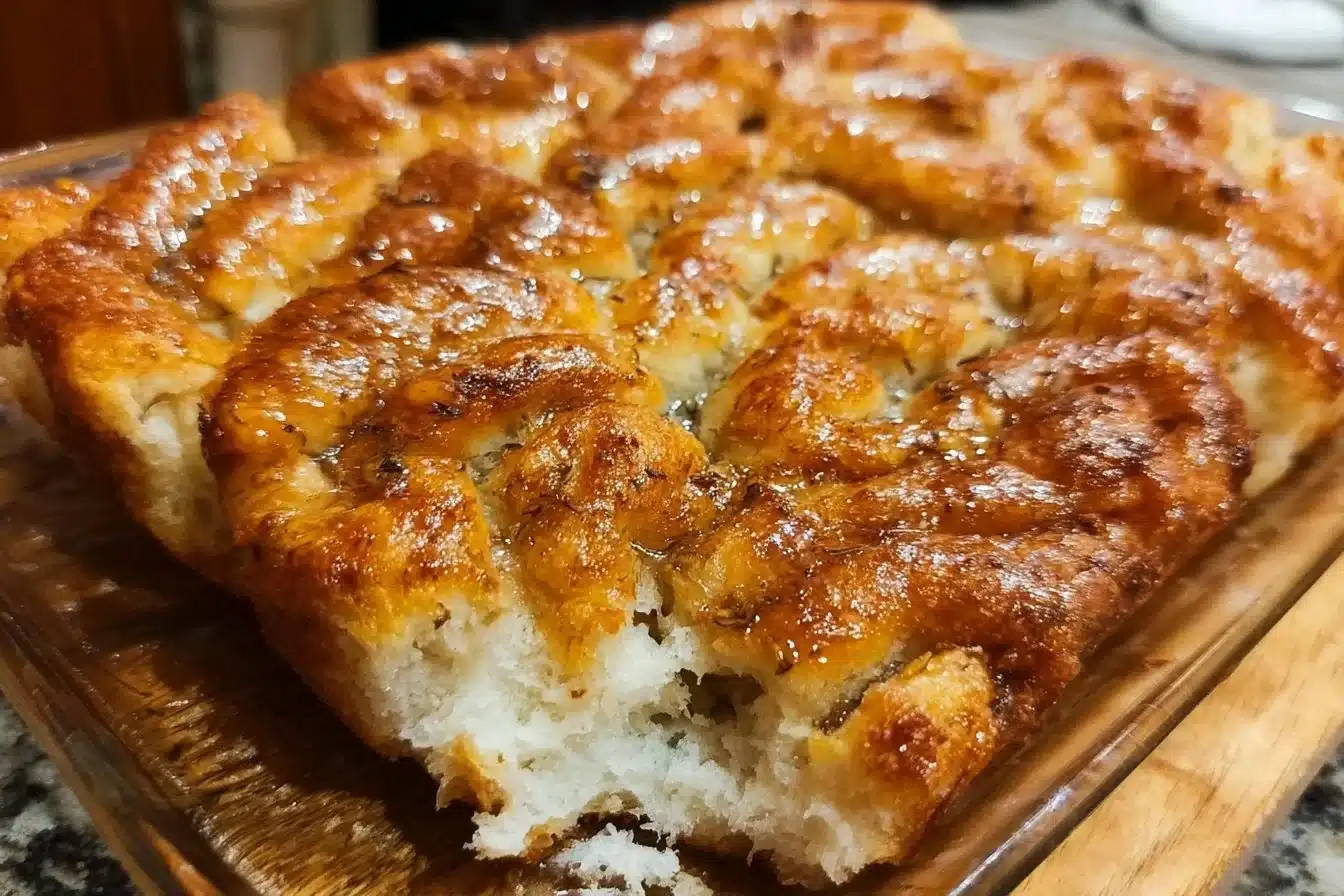
The first time I made Sourdough Focaccia, the kitchen smelled like sea salt and hot rosemary before I even opened the oven. I remember pressing dimpled dough with flour-dusted fingertips while gulls cried beyond the glass; the starter bubbled like a contented animal on the counter. That loaf came out golden and uneven, with pockets of olive oil that shimmered on the crust. Since then, this bread has lived in our weekend ritual — a slow, forgiving project that fills the house and invites neighbors over. For a deeper primer on technique, I often point readers to a trusty sourdough focaccia guide that captures the basics.
Flavor and Popularity
The Unique Flavor Profile of Sourdough Focaccia
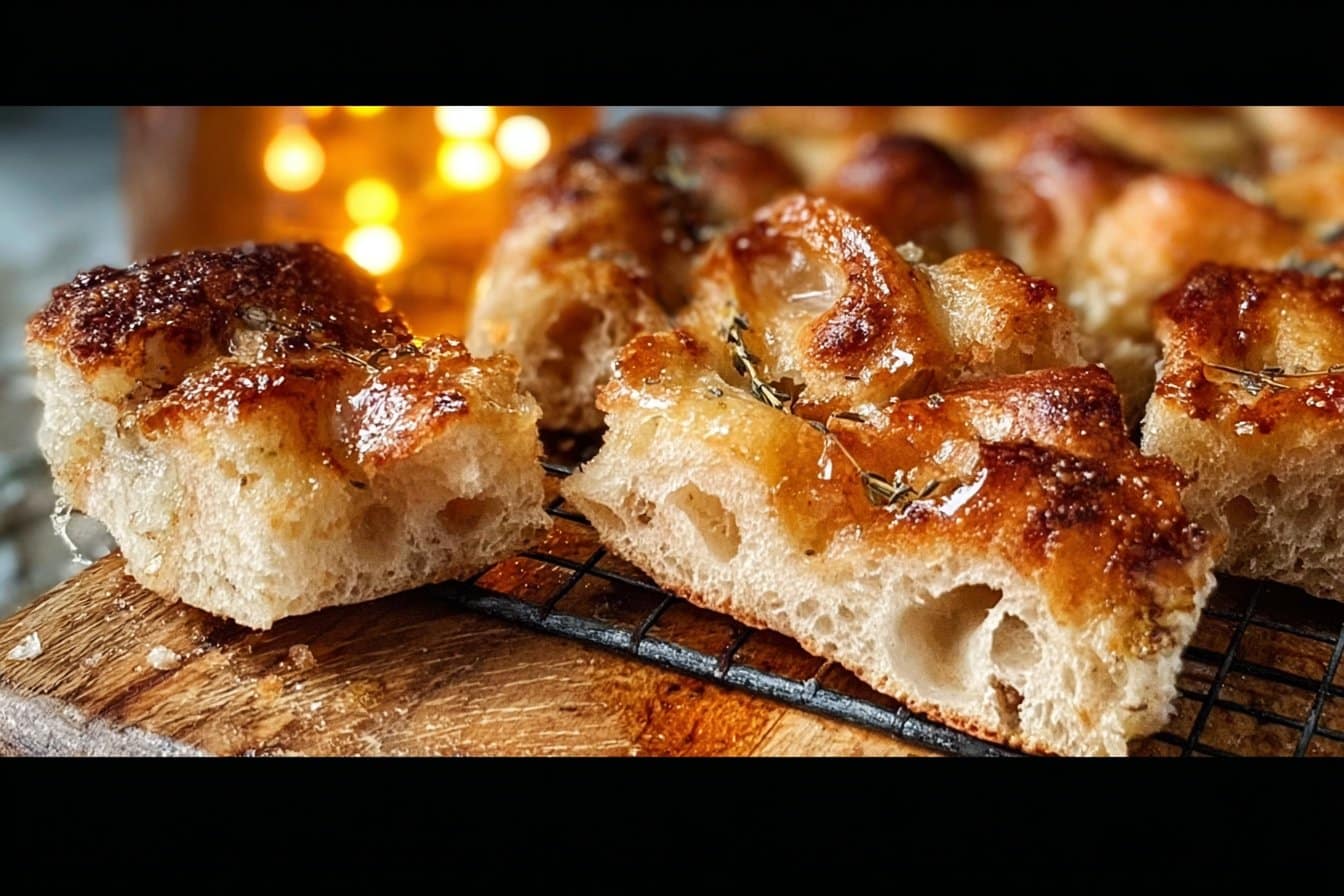
Sourdough focaccia offers a contrast that draws people in: an airy, slightly chewy crumb with a crisp, oil-kissed crust. Because the dough ferments slowly, it develops a gentle tang that balances bright, savory toppings. Meanwhile, olive oil seeps into the crumb and amplifies the herbs’ aromatics, creating savory, buttery notes. When you top it with caramelized onions, sautéed mushrooms, or a scatter of flaky sea salt, the bread becomes both a vehicle and a partner — delivering umami, earthy, and herbal flavors with every bite.
This bread also adapts beautifully to seasonal produce. In late summer, scatter blistered cherry tomatoes that burst and sweeten against the tangy base. In autumn, a smear of roasted garlic and thyme gives the focaccia a roasted, comforting depth. Because of that versatility, restaurants, food trucks, and home bakers celebrate focaccia as a crowd-pleaser.
Why This Recipe Is a Family Favorite and Crowd-Pleaser
My family returns to Sourdough Focaccia again and again because it sits somewhere between rustic and refined. It arrives at the table warm and uninhibited, perfect as a side dish for soup or an impromptu sandwich base. Guests love tearing rustic pieces with their hands, dipping them in olive oil, or pairing them with a charcuterie spread. For busy weekends, I sometimes keep a pan in the fridge for a later bake; then, while everyone gathers, I slide it into a hot oven, and the house fills with that irresistible scent.
Every time I bring a tray out, people ask for the recipe. They say it tastes like something only a bakery could make, and yet it feels homemade — which is exactly what I aim for.
Ingredients and Preparation
Essential Ingredients and Possible Substitutions
- Sourdough starter (active and bubbly): This ingredient creates that signature tang. If your starter sits in the fridge, wake it with a couple of feedings.
- Bread flour: It gives good gluten structure. You can blend 50/50 with all-purpose flour for a softer crumb.
- Water: Use room-temperature or slightly warm water to encourage yeast activity.
- Extra-virgin olive oil: Use a fruity, high-quality oil for flavor and for coating the pan.
- Salt: Use flaky sea salt to finish. Kosher salt works well in the dough.
- Toppings: Fresh rosemary, sea salt, garlic cloves, caramelized onions, or sautéed mushrooms add complexity.
Substitutions and notes:
- If you need a dairy-like richness, brush with melted cultured butter just after baking, although olive oil remains traditional.
- For a gluten-free version, try a certified gluten-free flour blend and add xanthan gum; however, texture will differ.
- If you lack a strong starter, you can mix a small amount of commercial yeast (a pinch) to assist, then rely on extended ferment for flavor.
For an alternate sourdough loaf option or starter ideas, you might compare texture and crumb with store-bought loaves like Aldi sourdough bread, especially if you need inspiration for hydration and crumb openness.
Step-by-Step Recipe Instructions with Tips
Ingredients:
- 350g bread flour
- 250g water (70–80°F)
- 100g active sourdough starter (100% hydration)
- 8g fine sea salt
- 40g extra-virgin olive oil + more for the pan
- Optional toppings: rosemary sprigs, thinly sliced garlic, sautéed mushrooms, flaky salt
Method:
- In a large bowl, whisk flour and water until no dry patches remain. Cover and autolyse for 30–45 minutes; this hydrates the flour and starts gluten development.
- Add the active starter and mix until incorporated. Let rest 20 minutes.
- Sprinkle in the salt and add 20g olive oil. Use a stretch-and-fold technique every 30 minutes for two hours, performing four sets in total. This builds structure gently without heavy kneading.
- Transfer the dough to a lightly oiled container, cover, and refrigerate for 8–18 hours for a slow, flavorful ferment. Cold fermentation deepens tang and improves texture.
- When ready to bake, preheat oven to 475°F with a baking sheet inside. Oil a 9×13-inch pan liberally, then turn the dough into it. Gently stretch to the pan’s edges; do not overwork.
- Cover and proof at room temperature for 1–2 hours until puffy but not doubled. Dimple the dough deeply with oiled fingertips, then drizzle remaining olive oil over the surface so it pools in the wells.
- Sprinkle your toppings: rosemary, thin garlic slices, or sautéed mushrooms. Finish with flaky sea salt.
- Bake for 18–22 minutes until golden brown and the edges crisp. Remove and cool slightly on a rack; then brush with a little more olive oil for shine and flavor.
Tips while baking:
- For more oven spring, place a small cast-iron skillet with water on a lower rack to create steam during the first 5 minutes.
- If you want extra crispness, finish with a 2-minute broil, watching closely so toppings do not burn.
Cooking Techniques and Tips
How to Cook Sourdough Focaccia Perfectly
Hydration matters. A higher hydration dough yields larger open crumb pockets and a silkier interior, but it also becomes stickier to handle. Therefore, work with wetter dough slowly and use generous oil to prevent sticking. Meanwhile, the stretch-and-fold method helps develop gluten without overworking the dough.
Temperature control also proves crucial. A warm proof brings faster rise and milder flavor, whereas a long, cool refrigerate enhances tang and complexity. For a balanced flavor, I prefer cold fermentation for at least 8 hours. Furthermore, using a hot oven at the outset locks in the crust while preserving interior moisture.
Finish with oil and salt. This step transforms the bread: olive oil deepens flavor and gives a satisfying richness, while flaky salt sparks the palate with crystalline bursts. Also, gentle broiling at the end caramelizes toppings, adding savory crunch.
Common Mistakes to Avoid
- Under-hydrating: If dough feels dry and resists stretching, your crumb will be tight. Use a slightly higher hydration or allow a longer autolyse.
- Overhandling: Shaping too much flattens the gas bubbles you worked to create. Instead, handle the dough gently and trust fermentation.
- Skipping cold fermentation: You can rush to bake, but the flavor will suffer. Cold proofing improves both taste and texture.
- Over-topping: Piling too many wet toppings (like heavily sauced mushrooms) can weigh down the dough and make the interior soggy. Instead, pat toppings dry or pre-cook them lightly.
- Insufficient oil: Focaccia needs oil to create its signature crust and to prevent sticking. Don’t be stingy in the pan.
Health Benefits and Serving Suggestions
Nutritional Value of Sourdough Focaccia
Sourdough fermentation offers nutritional advantages. The lactic acid bacteria in active starters help pre-digest some starches and may improve mineral bioavailability. Consequently, many people find sourdough easier to digest than quick-rise breads. Additionally, using olive oil contributes heart-healthy monounsaturated fats, and topping focaccia with vegetables like mushrooms or onions adds fiber and micronutrients.
That said, focaccia remains a carbohydrate-rich bread. Therefore, enjoy it as part of a balanced meal: pair it with protein, vegetables, or a salad to balance the plate.
Best Ways to Serve and Pair This Dish
Serve warm, and invite guests to tear pieces by hand. For an approachable dinner, split the focaccia and layer with prosciutto, roasted peppers, and a smear of pesto. For a lighter option, serve squares alongside a bright fennel and orange salad to cut through the oil. Meanwhile, a bowl of smooth, blended tomato soup pairs beautifully and makes a comforting weekday meal.
If you prepare focaccia as an appetizer, set it with small bowls of extra-virgin olive oil, balsamic reduction, or herb butter for dipping. For a more indulgent pairing, top warm slices with melted fontina and a few sautéed mushrooms; the result becomes almost a rustic flatbread pizza.
Finally, when you reheat leftovers, warm them briefly in a 375°F oven to restore crispness; avoid microwaving if you want to keep the crust crisp.
PART 3: FAQ
What type of mushrooms are best for Sourdough Focaccia?
For focaccia, I prefer cremini or shiitake mushrooms because they hold up when sautéed and offer deep, earthy umami. However, chanterelles add a delicate, nutty note while oyster mushrooms bring silky texture. Always sauté mushrooms first to concentrate flavor and remove excess moisture so they don’t sog the dough.
Can I use dried garlic instead of fresh?
You can, but fresh thinly sliced garlic gives a brighter, more aromatic result. If you use dried garlic, rehydrate it briefly or sprinkle it sparingly to avoid a powdery texture. Roasted garlic also makes a mellow, sweet option that plays well with sourdough tang.
How do I store leftover Sourdough Focaccia?
Store cooled focaccia in a breathable container or wrapped loosely in paper towel and then in a loose plastic bag at room temperature for up to two days. For slightly longer, keep it in the refrigerator in an airtight container for up to four days; reheat in a 375°F oven for 8–10 minutes to refresh the crust.
Can I freeze Sourdough Focaccia?
Yes. Cool completely, then wrap tightly in plastic and foil or place in a freezer bag. Freeze for up to three months. Thaw at room temperature, then reheat in a hot oven to restore crispness. Alternatively, freeze in pre-sliced portions for quick sandwiches later on.
PART 4: Conclusion
If you’re like me, you’ll find that Sourdough Focaccia feeds more than hunger — it feeds memory. There’s something comforting about the ritual of folding dough, the slow wait, and the small, oily wells that hold rosemary and time. Trust me, you’ll want to make this again and again. Start simply, listen to the dough, and let the sea-salty air of your own kitchen do the rest.
Easy Sourdough Focaccia: 7 Comforting Tips
- Total Time: 67 minutes
- Yield: 4 servings 1x
- Diet: Vegetarian
Description
Deliciously airy and slightly chewy, this Sourdough Focaccia is perfect for any occasion, whether for a comforting side dish or a flavorful sandwich base.
Ingredients
- 350g bread flour
- 250g water (70–80°F)
- 100g active sourdough starter (100% hydration)
- 8g fine sea salt
- 40g extra-virgin olive oil + more for the pan
- Optional toppings: rosemary sprigs, thinly sliced garlic, sautéed mushrooms, flaky salt
Instructions
- In a large bowl, whisk flour and water until no dry patches remain. Cover and autolyse for 30–45 minutes.
- Add the active starter and mix until incorporated. Let rest for 20 minutes.
- Sprinkle in the salt and add 20g olive oil. Use a stretch-and-fold technique every 30 minutes for two hours.
- Transfer the dough to a lightly oiled container, cover, and refrigerate for 8–18 hours for a slow, flavorful ferment.
- Preheat oven to 475°F with a baking sheet inside. Oil a 9×13-inch pan liberally, then turn the dough into it and gently stretch to the pan’s edges.
- Cover and proof at room temperature for 1–2 hours until puffy. Dimple the dough, drizzle remaining olive oil, and sprinkle on your toppings.
- Bake for 18–22 minutes until golden brown. Cool slightly and brush with olive oil.
Notes
To enhance flavor, you can add extra toppings like roasted garlic or caramelized onions. Always ensure to use enough oil to create a perfect crust.
- Prep Time: 45 minutes
- Cook Time: 22 minutes
- Category: Breads
- Method: Baking
- Cuisine: Italian
Nutrition
- Serving Size: 1 piece
- Calories: 350
- Sugar: 1g
- Sodium: 400mg
- Fat: 12g
- Saturated Fat: 2g
- Unsaturated Fat: 8g
- Trans Fat: 0g
- Carbohydrates: 45g
- Fiber: 3g
- Protein: 10g
- Cholesterol: 0mg
Keywords: sourdough focaccia, homemade bread, easy baking, Italian bread, vegetarian recipe
