
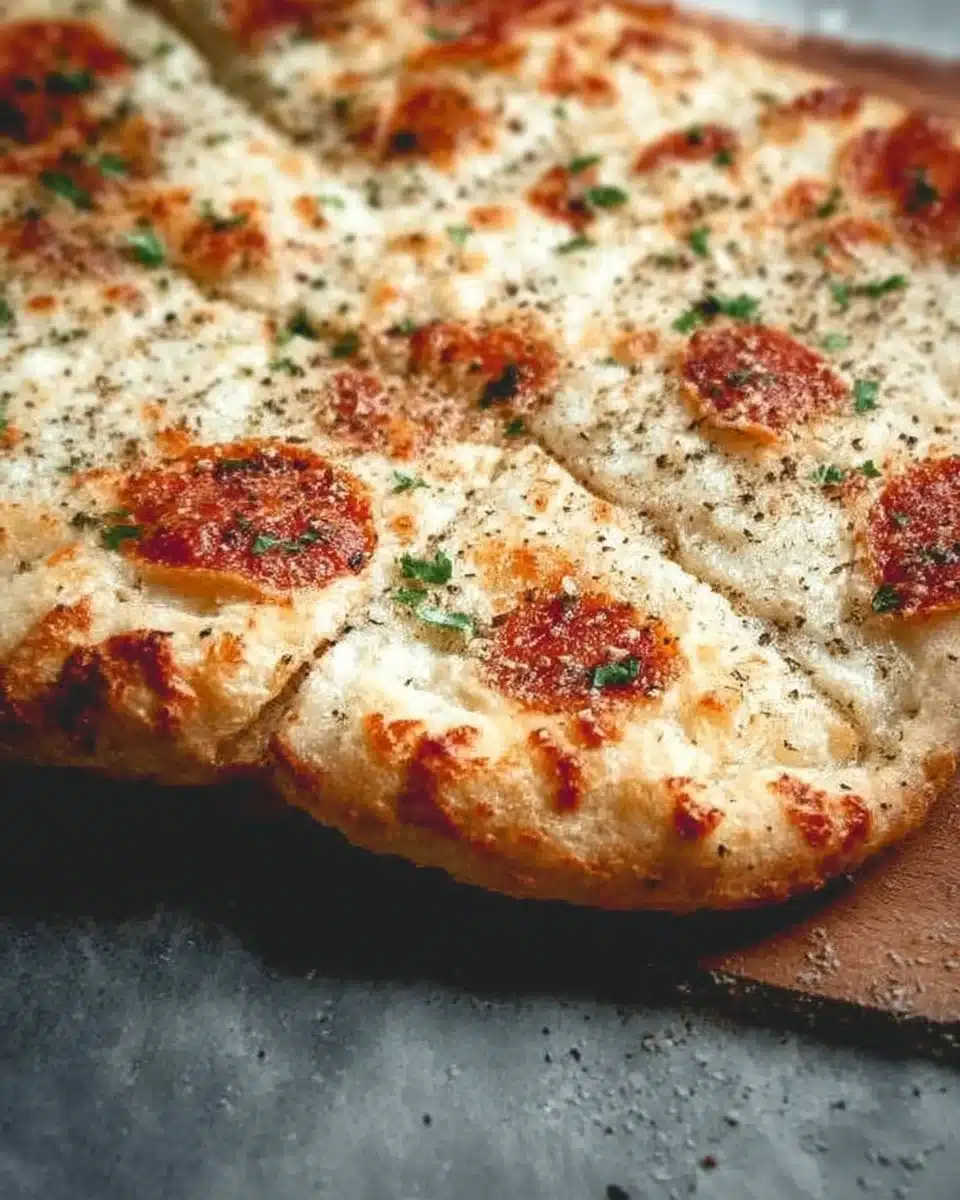
The first time I folded a pan of bubbling sourdough discard into a pizza base I remember the kitchen smelling like warm toast and sea salt—Sourdough Discard Pizza Crust was a happy accident that became ritual. I mixed the tangy discard with flour, olive oil, and a handful of herbs while the fog rolled in off the Pacific, and I felt the same curious alchemy that hooked me on bread years ago. That night the family gathered around the counter, and between bites of the crisp, slightly sour crust and conversations about small town storms, I knew I had found a way to turn “waste” into something joyful and deeply satisfying.
My go-to sourdough discard coffee cake recipe taught me how forgiving discard can be, and this pizza crust follows that same generous spirit.
Flavor and Popularity
The Unique Flavor Profile of Sourdough Discard Pizza Crust
Sourdough Discard Pizza Crust carries a bright, tangy backbone that plays beautifully against rich toppings. Because discard already contains mature wild yeast and organic acids, it lends an immediate depth—slightly earthy and pleasantly sour—without long fermentation. The crust crisps at the edges and keeps a tender, chewy interior, giving you buttery notes and a hint of umami especially when you brush it with olive oil and scatter fresh herbs. Moreover, if you sautéed mushrooms or caramelized onions as toppings, they add savory contrast and amplify the crust’s rustic personality.
People praise this crust for its accessibility. Unlike traditional sourdough pizza that demands days of dough folding and patience, sourdough discard shortens the timeline while preserving flavor, which explains why it became a household staple and a hit at potlucks.
Why This Recipe Is a Family Favorite and Crowd-Pleaser
Families and dinner guests respond to texture and familiarity. This crust strikes the balance: crisp mouthfeel, complex flavor, and ease of hands-on assembly that encourages everyone to join in topping and baking. Also, the recipe welcomes substitutions—gluten-conscious bakers can use part spelt or a blend of whole wheat for nuttiness, while vegetarians love the umami boost of sautéed mushrooms and roasted tomatoes. Because it turns discard into something celebratory, it also reduces waste and feeds more smiles for less.
Ingredients and Preparation
Essential Ingredients and Possible Substitutions
- 1 cup active sourdough discard (room temperature) — this is the recipe’s soul.
- 1 1/4 to 1 1/2 cups all-purpose flour — use bread flour for more chew, or 50/50 spelt for nuttiness.
- 1 teaspoon fine sea salt
- 2 tablespoons extra-virgin olive oil, plus more for brushing
- 1/2 teaspoon instant yeast (optional for more lift and speed)
- 1/2 cup warm water (adjust as needed)
- Cornmeal or semolina for dusting the peel or pan
Substitutions and notes:
- If you prefer whole grain, replace up to half the all-purpose flour with whole wheat; the crust becomes earthier and heartier.
- Use melted butter instead of olive oil for a richer, buttery edge.
- Omit instant yeast if you want a flatter, more cracker-like crust; then increase resting time by 30–60 minutes.
- For a gluten-free attempt, try a cup of a high-quality gluten-free blend and bind with 1 teaspoon xanthan gum; results will vary.
Step-by-Step Recipe Instructions with Tips
Prepare the dough:
- Whisk discard, olive oil, salt, and yeast (if using) in a bowl.
- Add 1 cup of flour and half the warm water; stir until shaggy.
- Gradually add remaining water and flour until the dough pulls together but remains slightly tacky.
- Turn dough onto a lightly floured surface and knead 4–5 minutes until smooth and elastic; alternatively, use a stand mixer with a dough hook for 3 minutes.
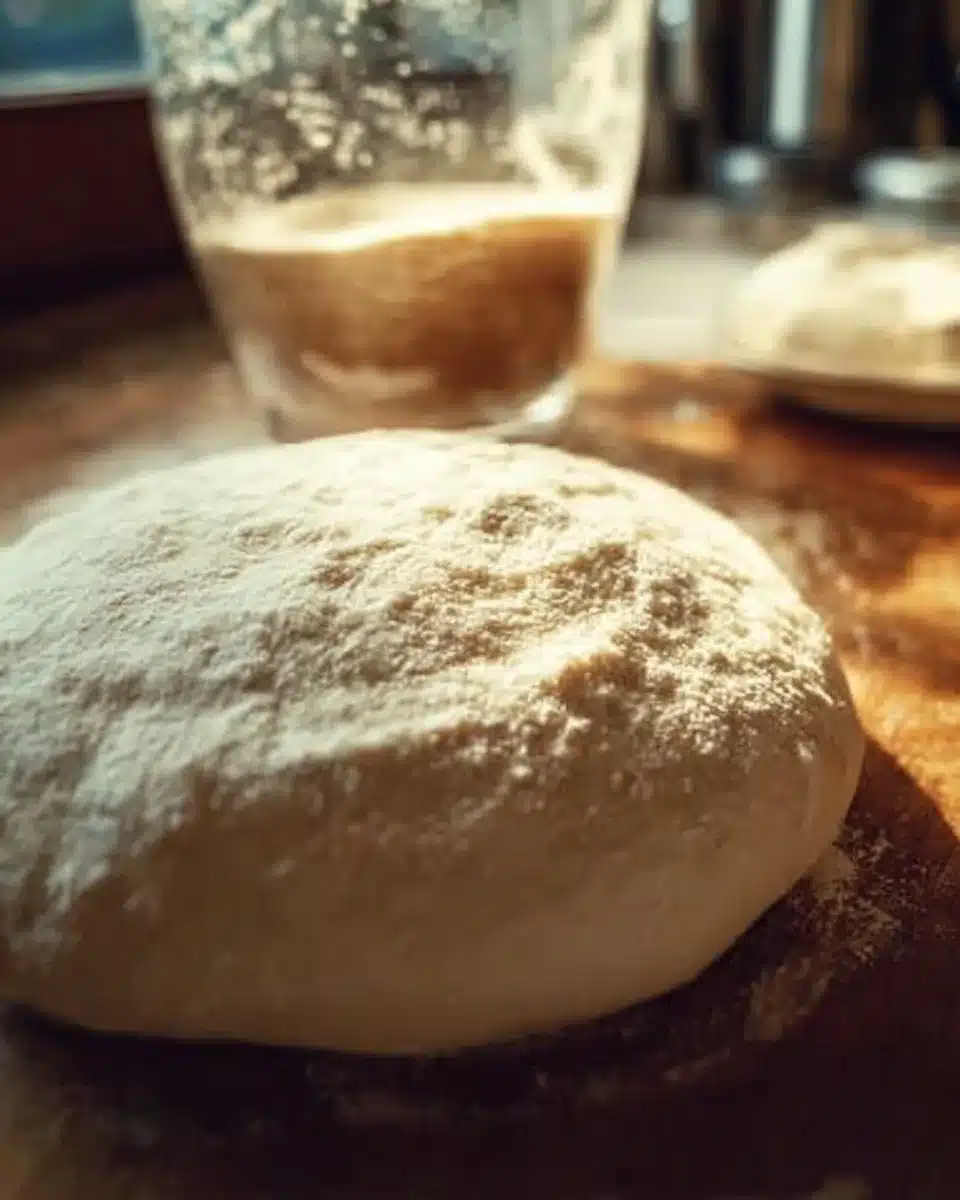
- Place dough in an oiled bowl, cover with a towel, and let it rest for 30–60 minutes at room temperature. If you have more time, refrigerate for several hours to develop flavor.
Shape and top:
- Preheat oven to 500°F (260°C) with a pizza stone or heavy baking sheet inside.
- Divide dough into two for thin-crust pizzas or keep whole for a thick, chewy pie.
- On a cornmeal-dusted peel or sheet, press dough from the center outward, creating a slightly thicker rim.
- Brush the surface with olive oil; then add a simple sauce, your favorite cheese, and toppings—sautéed mushrooms, fresh herbs, and a drizzle of balsamic shine here.
Bake:
- Slide pizza onto the hot stone or baking sheet and bake 8–12 minutes, rotating once if necessary, until the rim bronzes and the cheese bubbles.
- Let it rest for 3 minutes before slicing; this helps the crust set and preserves internal chew.
Tips:
- Use a hot oven and preheated stone for blistered char and a crisp bottom.
- If your discard is very runny, reduce water slightly; if it’s thick, add the extra 1/4 cup water.
- For a skillet-style crust, press dough into a hot, well-oiled cast-iron skillet and bake at 475°F (246°C) for 12–18 minutes; finish under the broiler for 1–2 minutes for charred spots.
Cooking Techniques and Tips
How to Cook Sourdough Discard Pizza Crust Perfectly
Temperature, timing, and hydration determine success. First, heat your oven as hot as it will safely go; high heat caramelizes the crust and melts toppings quickly without drying the interior. Second, balance hydration: a slightly tacky dough yields a tender crumb, whereas a drier dough makes a cracker-like base. Third, use a baking stone or steel when possible; they deliver instant, even heat and a superior bottom crust. Finally, consider finishing with a quick broil to char toppings and clarify flavors.
For pan pizzas, preheat the skillet until it smokes faintly, add oil, and press dough in. The pan’s direct heat creates a golden, skillet-fried bottom while the oven finishes the top. Meanwhile, invest in a proper peel or thin spatula to transfer pies safely.
Common Mistakes to Avoid
- Overworking the dough: you want elasticity but not a dense dough; stop kneading once it springs back.
- Underheating the oven: a lukewarm stone yields a soggy bottom and pale crust.
- Over-topping: too many wet toppings can weigh dough down and prevent crisping; sauté watery vegetables like mushrooms first to concentrate flavor.
- Using straight-from-fridge discard: allow discard to come to room temperature for better integration and active fermentation.
- Skipping the rest: brief proofing relaxes gluten and improves stretch; don’t skip it even when you’re short on time.
Health Benefits and Serving Suggestions
Nutritional Value of Sourdough Discard Pizza Crust
Sourdough discard crust brings benefits beyond flavor. Because it contains fermented starter, it may be easier to digest for some people; fermentation partially breaks down phytic acid and complex carbohydrates. Also, using whole-grain flours increases fiber and micronutrients like magnesium and B vitamins. While pizza remains an indulgence, this crust reduces waste and lets you control topping quality—load it with seasonal vegetables, lean proteins, or a modest amount of cheese to keep it balanced.
Moreover, for families watching sodium or refined fats, a homemade crust permits lower-salt doughs and heartier, herb-forward toppings which add flavor without relying on excess salt or processed ingredients.
Best Ways to Serve and Pair This Dish
Serve this crust with bright salads, a skillet of sautéed greens, or a simple bowl of roasted vegetables. For wine pairing, choose a medium-bodied red with bright acidity to cut through richness, or a crisp white to highlight herbal and citrusy toppings. For a casual night, make it a build-your-own pizza bar—place bowls of sautéed mushrooms, roasted garlic, basil, and tangy cheeses and let everyone assemble.
If you enjoy using discard in creative ways, try turning the remaining starter into crackers—my favorite method produces a buttery, herby snack that pairs beautifully as a side dish.
A reliable sourdough discard crackers recipe complements pizza nights and keeps nibblers happy.
FAQ
What type of mushrooms are best for Sourdough Discard Pizza Crust?
Cremini and shiitake bring a dense, earthy umami that stands up to the bright tang of the crust, while oyster mushrooms offer a delicate, silky texture. You should sauté mushrooms first to evaporate moisture and concentrate their flavor; finish with a sprinkle of thyme or parsley for a fragrant lift.
Can I use dried garlic instead of fresh?
Yes, dried garlic works in a pinch and adds a concentrated garlicky note. However, fresh garlic gives a brighter, aromatic pop; if you use dried, rehydrate it briefly in warm water or olive oil to release more flavor and avoid a toasted, bitter edge.
How do I store leftover Sourdough Discard Pizza Crust?
Cool leftovers completely, then wrap tightly in foil or place in an airtight container and refrigerate for up to 3 days. Reheat in a skillet over medium heat or in the oven at 375°F (190°C) for 6–8 minutes to revive crispness; avoid microwaving, which makes the crust soggy.
Can I freeze Sourdough Discard Pizza Crust?
Yes. Freeze whole cooled pies or single slices in a layer between parchment, then seal in freezer-safe bags for up to 2 months. Reheat from frozen in a preheated oven at 400°F (204°C) for 10–15 minutes, or thaw overnight in the fridge and crisp in a skillet.
Conclusion
If you’re like me, you keep a jar of starter at the back of the fridge and feel a small thrill each time it bubbles back to life. There’s something comforting about turning a jar of discard into a feast—Sourdough Discard Pizza Crust rescues the ordinary and makes it celebratory, and it invites the whole family to the table. Trust me, you’ll want to make this again and again; the rhythm of mixing, stretching, and folding becomes its own kind of therapy, and the first bite always tastes like home.
Print
Sourdough Discard Pizza Crust
- Total Time: 30 minutes
- Yield: 2 pizzas 1x
- Diet: Vegetarian
Description
A delightful pizza crust made from sourdough discard, featuring a tangy flavor and a crispy edge, perfect for any toppings.
Ingredients
- 1 cup active sourdough discard (room temperature)
- 1 1/4 to 1 1/2 cups all-purpose flour
- 1 teaspoon fine sea salt
- 2 tablespoons extra-virgin olive oil, plus more for brushing
- 1/2 teaspoon instant yeast (optional)
- 1/2 cup warm water (adjust as needed)
- Cornmeal or semolina for dusting
Instructions
- Whisk discard, olive oil, salt, and yeast (if using) in a bowl.
- Add 1 cup of flour and half the warm water; stir until shaggy.
- Gradually add remaining water and flour until the dough pulls together but remains slightly tacky.
- Turn dough onto a lightly floured surface and knead for 4–5 minutes until smooth and elastic.
- Place dough in an oiled bowl, cover with a towel, and let it rest for 30–60 minutes at room temperature.
- Preheat oven to 500°F (260°C) with a pizza stone or heavy baking sheet inside.
- Divide dough into two for thin-crust pizzas or keep whole for a thick, chewy pie.
- On a cornmeal-dusted peel, press dough from the center outward to create a thicker rim.
- Brush the surface with olive oil; then add sauce, cheese, and toppings.
- Slide pizza onto the hot stone or baking sheet and bake for 8–12 minutes until the rim bronzes and the cheese bubbles.
- Let it rest for 3 minutes before slicing.
Notes
For gluten-free, use a high-quality gluten-free blend and 1 teaspoon xanthan gum. Avoid overworking the dough for the best texture.
- Prep Time: 15 minutes
- Cook Time: 12 minutes
- Category: Main Course
- Method: Baking
- Cuisine: Italian
Nutrition
- Serving Size: 1 serving
- Calories: 250
- Sugar: 1g
- Sodium: 300mg
- Fat: 10g
- Saturated Fat: 1g
- Unsaturated Fat: 8g
- Trans Fat: 0g
- Carbohydrates: 35g
- Fiber: 3g
- Protein: 7g
- Cholesterol: 0mg
Keywords: sourdough, pizza, crust, vegetarian, easy recipe, cooking with discard
