
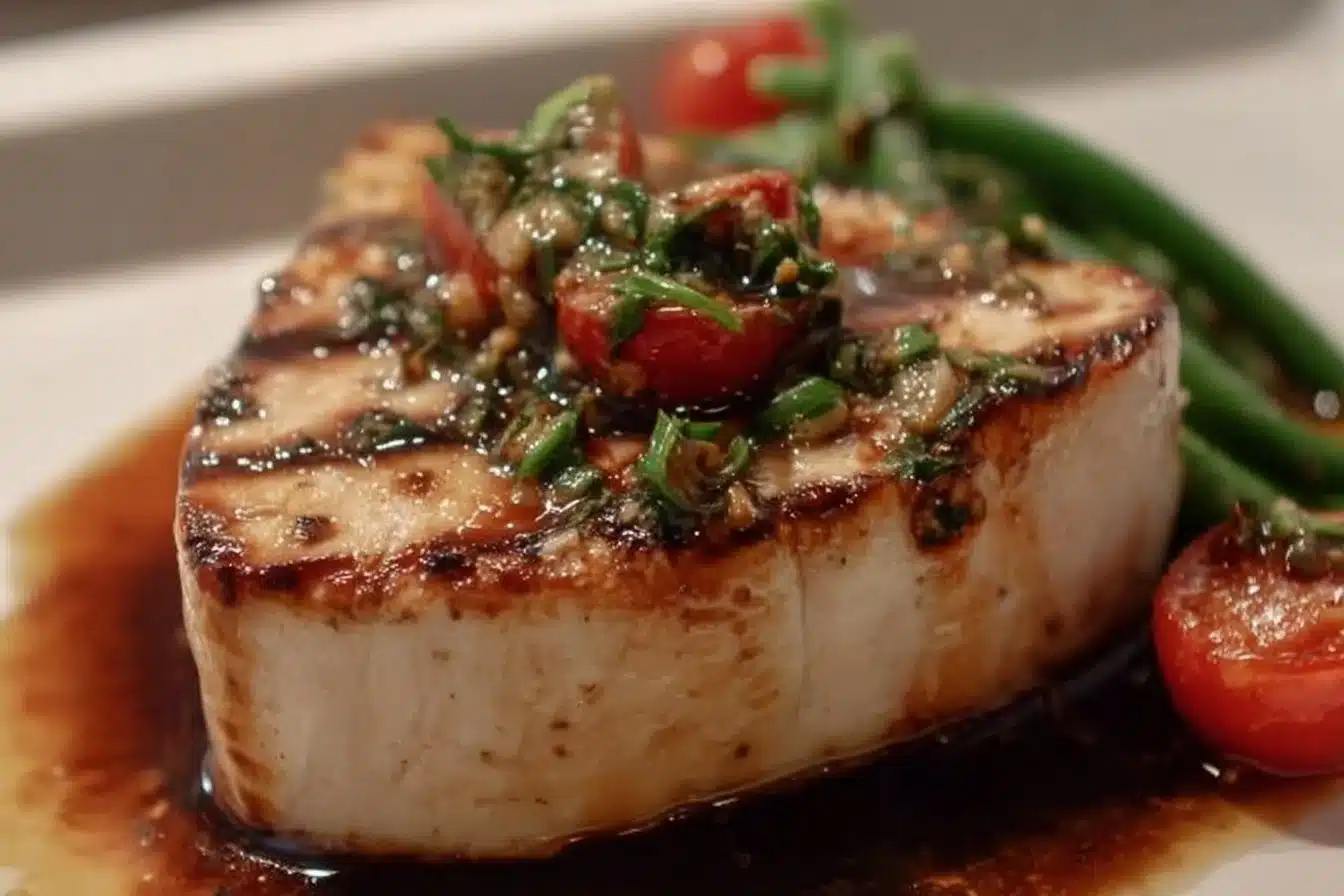
I remember the first time I pan seared swordfish on a weathered cast-iron skillet as the fog rolled in and the gulls argued with the surf. Pan Seared Swordfish smelled of sea salt and warm oil, and the crust it formed surprised me — firm, almost meaty, yet tender inside. That evening I spoke about ritual and rhythm, much like I do when I write about my morning coastal habits on why coastal rituals matter, and the fish felt like a small, perfect celebration.
Flavor and Popularity
The Unique Flavor Profile of Pan Seared Swordfish
Swordfish carries a generous, steak-like texture that stands up to high heat and bold flavors. When you pan sear swordfish, the outside caramelizes into a golden crust while the interior stays moist and flaky. Moreover, the flesh lends itself to buttery sauces and herbaceous accents; therefore, a simple lemon-butter pan sauce or a caper-studded brown butter will sing alongside the fish. You’ll notice savory, slightly sweet notes with an umami depth that many describe as almost meaty. Consequently, this dish appeals to both seafood lovers and those who usually opt for red meat.
Because swordfish has a sturdy texture, it tolerates robust seasonings. Thus, you can pair it with earthy mushrooms, bright tomatoes, or briny olives without losing the fish’s identity. In short, pan seared swordfish offers familiarity and surprise: it feels indulgent yet clean, hearty yet coastal.
Why This Recipe Is a Family Favorite and Crowd-Pleaser
First, the recipe works for weeknights and dinner parties alike. You can sear steaks quickly; then turn your attention to sides while the fish rests. Second, the presentation looks elegant, so guests assume you fussed for hours when you actually didn’t. Third, children often like the firm texture and mild flavor, and adults love the nuanced sauce, making this a true crowd-pleaser. Finally, it’s flexible: swap herbs or swap a butter sauce for a bright salsa verde, and you’ll have a new favorite without changing technique.
Ingredients and Preparation
Essential Ingredients and Possible Substitutions
- Swordfish steaks, about 6–8 ounces each and roughly 1-inch thick. If swordfish is unavailable, use halibut or thick tuna steaks as a substitution.
- High-smoke-point oil (grapeseed, avocado, or light olive oil). Use clarified butter for extra richness.
- Unsalted butter to finish the sauce; alternatively, use ghee for nuttiness.
- Fresh garlic and shallots for aromatic depth. You may substitute with a small amount of finely minced onion in a pinch.
- Fresh herbs: thyme, parsley, or a sprinkle of tarragon; dried herbs work, but fresh brightens the dish.
- Lemon or white wine to deglaze and craft a quick pan sauce. For a non-alcoholic option, use low-sodium fish stock or extra lemon.
- Sea salt and freshly cracked black pepper. Consider smoked paprika or a pinch of chili flakes for warmth.
- Optional: capers, cherry tomatoes, or sautéed mushrooms for an earthy, umami-rich side.
Step-by-Step Recipe Instructions with Tips
Prepare the fish and mise en place: Pat the swordfish dry with paper towels, and season both sides generously with salt and pepper. Then let the steaks sit at room temperature for 15–20 minutes. Meanwhile, mince garlic and shallot, and measure butter and lemon.
Heat the skillet: Place a heavy skillet over medium-high heat until very hot, and then add the oil. Test the heat by flicking a drop of water; it should sizzle immediately. Add the swordfish, laying it away from you to avoid splatters. Press lightly to ensure even contact.
Sear without fuss: Sear 3–4 minutes per side for 1-inch steaks, depending on thickness, until you achieve a golden-brown crust. Resist the urge to move the fish too often; this allows a proper crust to form. Flip once with a fish spatula, and finish the second side for another 3–4 minutes. If you prefer a slightly rarer center, reduce the second-side time by a minute.
Finish with butter and aromatics: Remove the fish to a warm plate and tent lightly with foil. Lower the heat to medium, add a knob of butter, and sauté shallot and garlic until fragrant. Then deglaze with a splash of white wine or lemon juice, scraping up browned bits. Stir in remaining butter and herbs; finally, spoon the sauce over the steaks and serve immediately.
Tips for success: Dry the fish thoroughly before searing to promote browning. Use a hot pan and a high-smoke oil. Also, don’t overcook — swordfish becomes dry if you push it beyond medium. Let the fish rest briefly to redistribute juices. For inspiration on balancing textures in a meal, I often pair the fish with lighter brunch elements much as I would pair it with fluffy scrambled pancakes on a leisurely morning, which highlights how a simple protein anchors a table.
Cooking Techniques and Tips
How to Cook Pan Seared Swordfish Perfectly
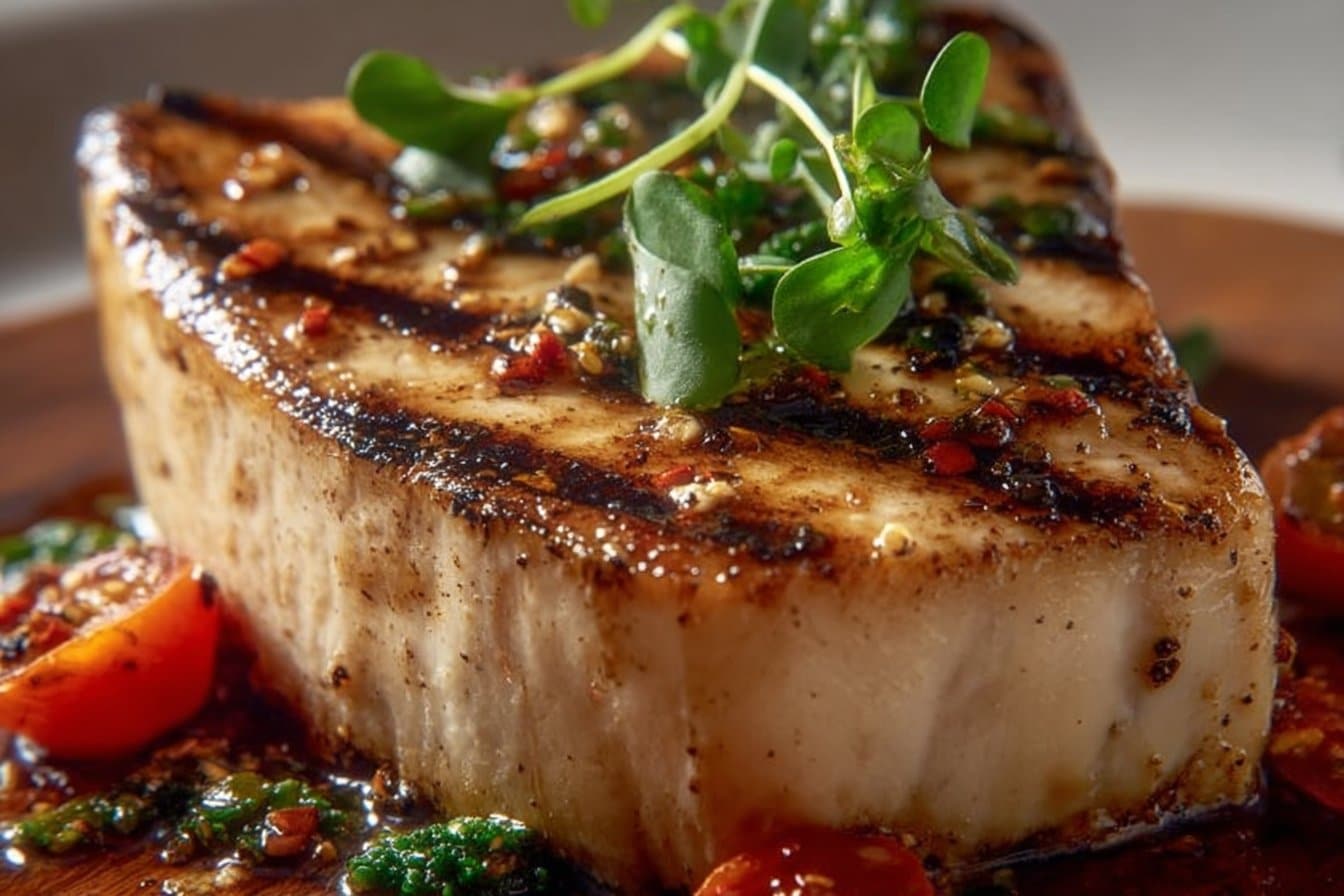
Choose a thick steak and a heavy skillet, ideally cast iron, because it holds heat and forms a consistent sear. Preheat the pan thoroughly and use an oil with a high smoke point. Then sear without moving until the crust develops, and use butter late in the process to avoid burning. Always check doneness by touch: the fish should have a little spring but not feel mushy. If you use an instant-read thermometer, aim for 130–135°F for medium; keep in mind carryover cooking will raise the temperature slightly as it rests.
Sear for flavor, but finish gently. After searing, you can transfer the pan briefly to a hot oven (400°F) for larger steaks, or simply finish on the stovetop with a butter baste. When basting, tilt the pan and spoon hot butter over the fish to create an even glaze. This technique adds a rich, buttery sheen and infuses herbs into the flesh.
Common Mistakes to Avoid
Common missteps include overcrowding the pan, which causes steaming instead of searing, and using too-low heat, which prevents a proper crust. Another mistake involves adding butter too early; because butter contains milk solids, it burns at high temperatures. Therefore, add butter after the initial sear or use clarified butter from the start. Also, over-seasoning with acid before cooking can draw moisture out of the fish; instead, finish with lemon just before serving. Finally, cut into the fish too early — letting it rest preserves juices and texture.
Health Benefits and Serving Suggestions
Nutritional Value of Pan Seared Swordfish
Swordfish offers a hearty protein source and supplies essential nutrients like vitamin D, selenium, and B vitamins. Moreover, it contains beneficial omega-3 fatty acids, which support heart health. Although swordfish tends to carry more mercury than smaller fish, enjoying it occasionally and in moderation fits a balanced diet. Pairing swordfish with leafy greens, whole grains, or roasted vegetables increases fiber and micronutrient intake, making the meal both satisfying and nourishing.
Best Ways to Serve and Pair This Dish
Serve pan seared swordfish with simple sides that complement its flavor rather than overpower it. Consider lemon-garlic sautéed spinach, roasted fingerling potatoes, or a light quinoa salad with herbs and cucumber. For an earthy, savory contrast, sautéed mushrooms with thyme and butter bring umami and texture. Alternatively, bright tomato and olive relish adds Mediterranean notes and acidity. For wine, a crisp Sauvignon Blanc or a light, unoaked Chardonnay pairs well; for beer lovers, choose a clean, citrusy pilsner.
If you aim for a heartier plate, add a brown butter caper sauce and roast root vegetables. For a lighter option, top the steaks with a fresh herb chimichurri and serve alongside a citrusy fennel salad. Because swordfish holds up well on the grill, feel free to swap searing for quick grilling when the weather allows. Either way, keep the accompaniments relatively simple so the fish remains the star.
FAQ Section
Bolded questions follow with natural answers.
What type of mushrooms are best for Pan Seared Swordfish?
I like cremini or shiitake mushrooms for their meaty, earthy flavor, and they pair beautifully with the fish’s umami notes. However, chanterelles or oyster mushrooms also work if you want a delicate, forest-like aroma. Sauté them in butter and thyme, and finish with a splash of lemon to cut through the richness.
Can I use dried garlic instead of fresh?
You can use garlic powder in a pinch, but fresh garlic provides volatile oils and brightness that dried forms lack. Therefore, I recommend fresh garlic for the sauce and sauté. If you must use dried, add it sparingly and consider finishing with a little fresh lemon zest to restore some brightness.
How do I store leftover Pan Seared Swordfish?
Cool leftover swordfish to room temperature within two hours, and then store it in an airtight container in the refrigerator for up to two days. To reheat, warm gently in a low oven or a covered skillet with a splash of broth or olive oil to prevent drying. Avoid microwaving at high heat, because it dries the fish and ruins the texture.
Can I freeze Pan Seared Swordfish?
You may freeze cooked swordfish, but expect some textural changes after thawing. Wrap portions tightly in plastic wrap and place them in a freezer-safe bag for up to two months. Thaw slowly in the refrigerator overnight and reheat gently. For best results, freeze raw steaks individually if you plan long-term storage, and sear them fresh when you’re ready to cook.
Conclusion
If you’re like me, you’ll find something comforting about the simple act of searing a piece of fish while the kettle hums and the world outside softens into evening. There’s something comforting about the sizzle, the way butter and lemon pull the whole plate into harmony, and the small ritual of plating for the people you love. Trust me, you’ll want to make this again and again — whether you serve it for a busy weeknight or a windswept dinner with friends.
for more recipes followo me in facebook and pinterest

Easy Pan Seared Swordfish
- Total Time: 28 minutes
- Yield: 2 servings 1x
- Diet: Pescatarian
Description
A delightful and simple recipe for pan seared swordfish, featuring a golden crust and moist interior, perfect for weeknight dinners or special occasions.
Ingredients
- 2 Swordfish steaks (about 6–8 ounces each and roughly 1-inch thick)
- 2 tablespoons High-smoke-point oil (grapeseed, avocado, or light olive oil)
- 2 tablespoons Unsalted butter
- 2 cloves Fresh garlic, minced
- 1 Shallot, minced
- Fresh herbs (thyme, parsley, or tarragon)
- 1 Lemon or splash of white wine for deglazing
- Sea salt and freshly cracked black pepper
- Optional: capers, cherry tomatoes, or sautéed mushrooms
Instructions
- Pat the swordfish dry with paper towels and season both sides generously with salt and pepper. Let sit at room temperature for 15–20 minutes.
- Heat a heavy skillet over medium-high heat until very hot, then add the oil. Test the heat by flicking a drop of water; it should sizzle immediately.
- Add the swordfish to the skillet, laying it away from you to avoid splatters. Press lightly to ensure even contact. Sear for 3–4 minutes per side until golden-brown.
- Remove the fish to a warm plate and tent lightly with foil. Lower the heat to medium, add butter, shallot, and garlic, sauté until fragrant.
- Deglaze with a splash of lemon or wine, scraping up browned bits. Stir in remaining butter and herbs; spoon the sauce over the fish and serve immediately.
Notes
Dry the fish thoroughly before searing to promote browning. Use a hot pan and high-smoke oil. Let the fish rest briefly to redistribute juices.
- Prep Time: 20 minutes
- Cook Time: 8 minutes
- Category: Main Course
- Method: Pan-Seared
- Cuisine: Mediterranean
Nutrition
- Serving Size: 1 steak
- Calories: 400
- Sugar: 1g
- Sodium: 300mg
- Fat: 20g
- Saturated Fat: 5g
- Unsaturated Fat: 14g
- Trans Fat: 0g
- Carbohydrates: 2g
- Fiber: 0g
- Protein: 40g
- Cholesterol: 75mg
Keywords: swordfish, pan seared, seafood, easy dinner, Mediterranean
