
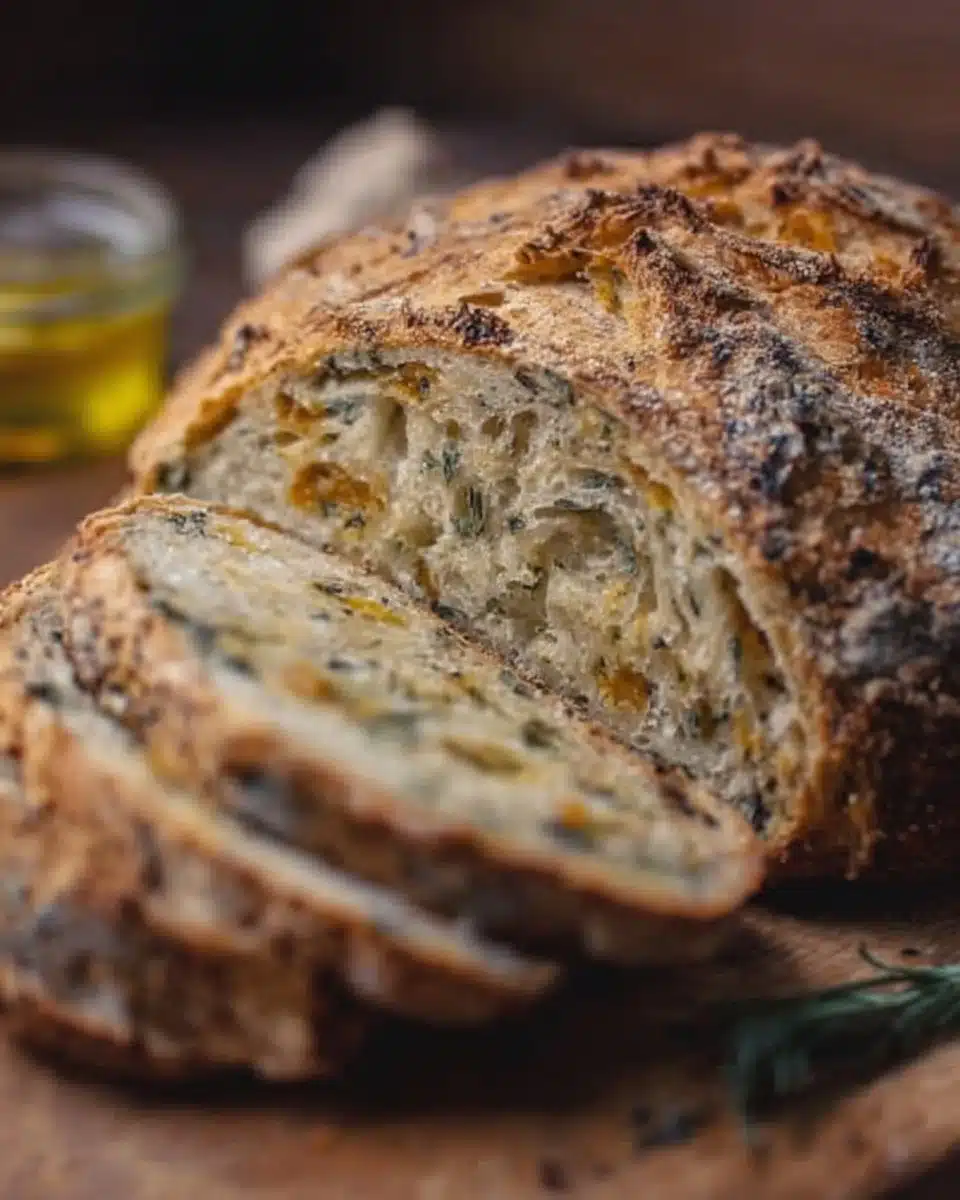
The first time I savored Italian Herbs & Cheese Artisan Sourdough Bread I was still small enough to stand on a stool beside my nonna, watching her coax a starter into life with the same tenderness she used for tomato sauce. Italian Herbs & Cheese Artisan Sourdough Bread filled the kitchen with a buttery, earthy scent of rosemary and thyme, while shards of cheese browned and bubbled along the crust; I remember reaching for a warm corner and nearly burning my fingers because I could not wait. If you want a quick cheese-laced loaf with that same rustic charm, try this cheese sourdough bread recipe which celebrates the same simple, savory spirit that made my childhood kitchen unforgettable.
Flavor and Popularity
The Unique Flavor Profile of Italian Herbs & Cheese Artisan Sourdough Bread
Italian Herbs & Cheese Artisan Sourdough Bread balances tangy sourdough notes with savory, herb-forward layers and a rich, nutty cheese presence. First, the fermented starter gives the loaf a lively, mildly acidic backbone; next, fresh rosemary and oregano add a piney, aromatic lift. Meanwhile, good-quality aged Parmesan or Pecorino contributes umami and a slightly salty, buttery finish. Because each element plays a clear role, the bread tastes complex without feeling fussy. Also, when you toast a slice, the crust deepens into caramelized pockets of flavor where melted cheese meets crunchy rye-like crumb, which makes every bite memorable.
This loaf has grown popular because it suits many occasions. It serves beautifully as a rustic accompaniment to soups and salads, yet also shines on a cheese board. Moreover, its hearty crumb and savory notes make it perfect for sandwiches that need a flavorful, sturdy base. Consequently, people often pull this bread into weeknight dinners and weekend celebrations alike.
Why This Recipe Is a Family Favorite and Crowd-Pleaser
Families love this recipe because it feels like comfort and celebration at once. When I bake it, neighbors often wander by for a slice; hence, the loaf becomes a social invitation. The blend of herbs feels familiar to Italian palates, while the sourdough tang gives it an artisan personality that appeals to modern tastes. Also, you can adapt the cheese and herbs to suit what you have at home, so the bread always fits into busy lives without sacrificing authenticity.
Ingredients and Preparation
Essential Ingredients and Possible Substitutions
You will need quality ingredients to highlight the simple magic of this bread. Below are the essentials and some swaps you can make:
- 500 g (about 4 cups) bread flour — substitute up to 20% whole wheat for a nuttier crumb
- 150–200 g active sourdough starter (fed and bubbly)
- 330–360 ml lukewarm water (hydration varies by flour)
- 10 g fine sea salt
- 1–2 tbsp olive oil (optional, for softer crust)
- 2 tbsp fresh rosemary, finely chopped (or 2 tsp dried)
- 1 tbsp fresh oregano or 2 tsp dried oregano
- 150–200 g grated aged cheese (Parmesan, Pecorino, or a blend; Gruyère also works for a buttery, mellow note)
- 1 tsp cracked black pepper or to taste
Possible additions and swaps:
- For a more buttery texture, add 30 g softened butter into the dough.
- For a smokier profile, replace half the cheese with smoked provolone.
- If you prefer garlic, add 1–2 cloves finely minced or 1/2 tsp dried garlic (see FAQ for substitution notes).
Step-by-Step Recipe Instructions with Tips
Preparation timeline: plan for bulk fermentation and an overnight cold proof if you want deeper flavor. Below are clear, active steps to get a beautiful loaf.
- Feed your starter: Ensure your starter is active and bubbly; feed it 6–8 hours before mixing if needed.
- Autolyse: In a large bowl, mix flour and water until no dry flour remains. Cover and rest 30–60 minutes; this hydrates the flour and develops gluten.
- Add starter and salt: Mix the active starter into the autolysed dough, then sprinkle in salt and knead gently until integrated.
- Add herbs and cheese: Fold in chopped rosemary, oregano, and most of the grated cheese, reserving a handful for topping. Mix until evenly distributed.
- Bulk fermentation: Cover the dough and let it rise at room temperature for 3–4 hours, performing gentle stretch-and-folds every 30–45 minutes for the first 2 hours.
- Shape: Turn the dough onto a lightly floured surface, shape it into a round boule or an oblong bâtard, and place it seam-side up in a floured banneton or bowl lined with a floured towel.
- Cold proof: Refrigerate for 8–18 hours to develop flavor and improve crust — this step is optional but recommended.
- Preheat oven: Heat to 475°F (245°C) with a Dutch oven or baking stone inside. If using a Dutch oven, preheat for at least 45 minutes.
- Score and bake: Turn the dough onto parchment, score the top to control expansion, sprinkle remaining cheese, then place it into the hot Dutch oven. Bake covered 20 minutes, then uncover and bake another 20–25 minutes until deeply golden and the cheese has crisped.
- Cool: Let the loaf cool at least 1 hour before slicing so the crumb sets properly.
Baker’s tips:
- Hydration affects crumb: increase water slightly for a more open, airy crumb, but add gradually to avoid a slack dough.
- Use a thermometer: internal temperature should reach about 205–208°F (96–98°C) for a fully baked loaf.
- For a crisper crust, bake on a stone with steam in the first 10 minutes; alternatively, keep the Dutch oven covered initially.
Cooking Techniques and Tips
How to Cook Italian Herbs & Cheese Artisan Sourdough Bread Perfectly
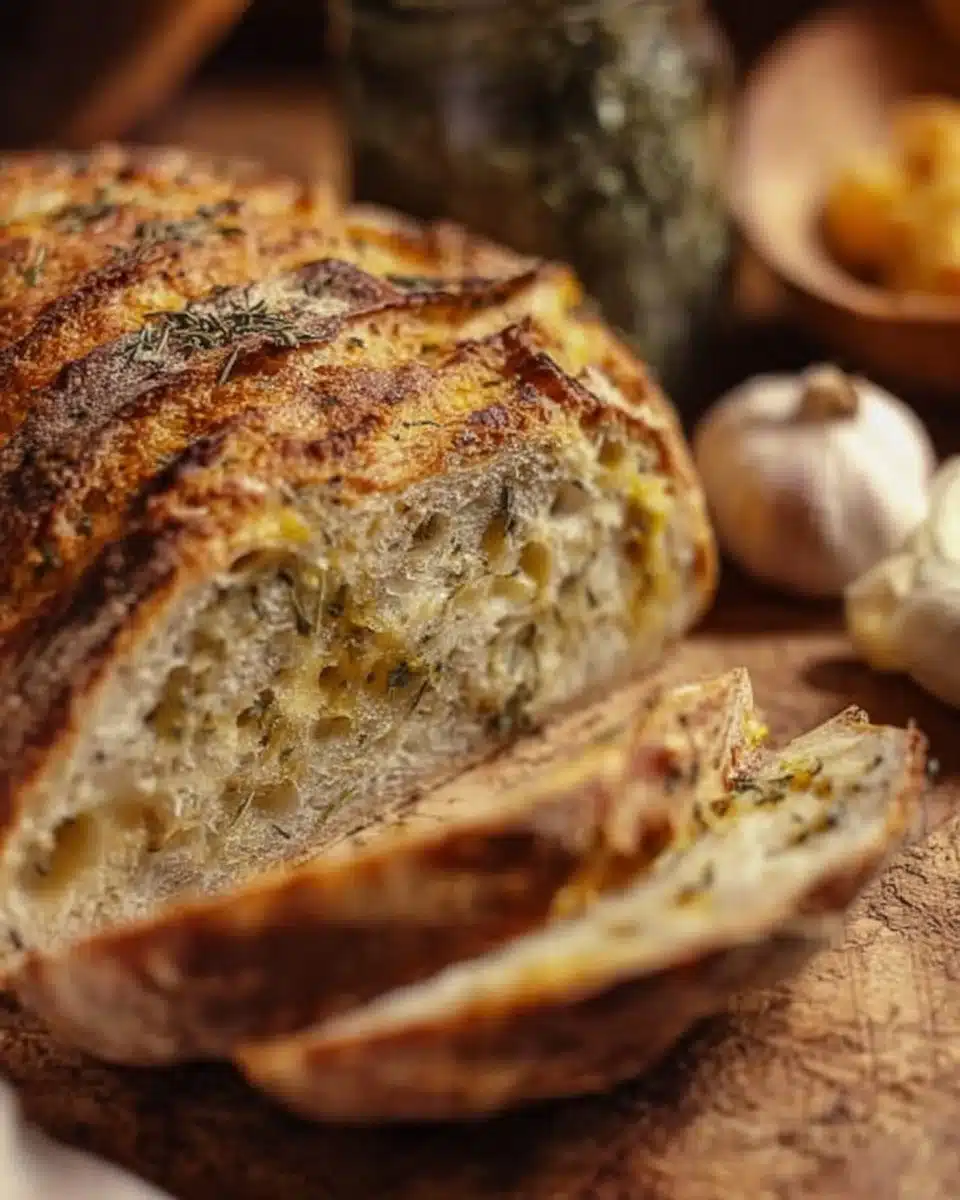
Consistency matters, therefore follow these techniques to achieve dependable results. First, cultivate an active starter; it gives reliable rise and flavor. Next, practice gentle handling during shaping — you want tension on the surface to promote oven spring. Meanwhile, temperature control helps: room temperature affects fermentation speed, so if your kitchen is warm, shorten bulk fermentation slightly. Also, when you score the loaf, use confident, single strokes so the dough expands predictably.
If you bake in a Dutch oven, the sealed environment traps steam, which delays crust firming and yields excellent oven spring. Alternatively, baking on a preheated stone with added steam from a tray of boiling water works well. Finally, allow the bread to cool completely; although lifelike temptation says to slice hot, cooling yields a better crumb and easier slicing.
Common Mistakes to Avoid
- Overproofing: If the dough deflates easily or collapses in the oven, you likely overproofed it. Therefore, watch the dough rather than the clock.
- Undercooking: A pale loaf with a gummy center means underbaking. Bake until the crust has color and the internal temperature reads right.
- Too much cheese inside: While cheese adds flavor, too much can weigh down the dough and cause uneven rise. So, fold in most of the cheese but keep some for topping.
- Dry herbs: Dried herbs work, but they can lose vibrancy. Hence, use fresh when possible, and add dried sparingly.
- Insufficient gluten development: If your dough tears easily, try an extra stretch-and-fold or a slightly longer autolyse.
Health Benefits and Serving Suggestions
Nutritional Value of Italian Herbs & Cheese Artisan Sourdough Bread
Italian Herbs & Cheese Artisan Sourdough Bread offers more than flavor; it also provides nutritional value when made with mindful ingredients. Because sourdough fermentation partially breaks down phytic acid in flour, the loaf can yield more bioavailable minerals, which benefits digestion and absorption. Moreover, using whole-grain flour increases fiber and micronutrients. Cheese contributes protein, calcium, and savory fat, which helps you feel satisfied longer. That said, balance portions if you watch saturated fat or sodium intake, and consider pairing slices with lean proteins or fresh vegetables for a wholesome meal.
Nutritional highlights (approximate per slice, depending on size and cheese amount):
- Calories: 180–260
- Protein: 6–10 g
- Fiber: 1–3 g (higher with whole grains)
- Sodium: variable — choose low-sodium cheese if needed
Best Ways to Serve and Pair This Dish
Serve this loaf warm with a smear of salted butter and a drizzle of extra-virgin olive oil for a simple pleasure. Also, pair it with a bowl of tomato-basil soup or a rustic minestrone; the bread soaks up broth while maintaining structure. For an elevated appetizer, slice thinly, toast, and top with sautéed mushrooms, whipped ricotta, or a bruschetta mix — the herb and cheese base complements earthy, sautéed toppings perfectly. In addition, the loaf works as an outstanding base for open-faced sandwiches with prosciutto, arugula, and a squeeze of lemon.
For variations, swap cheese types or fold in caramelized onions and sautéed mushrooms for an earthy, umami-rich loaf. If you want recipe ideas and more variations, see this delicious Italian herb bread & cheese recipe which explores alternative herb and cheese pairings.
FAQ Section
What type of mushrooms are best for Italian Herbs & Cheese Artisan Sourdough Bread?
For this bread, cremini or baby bella mushrooms suit best because they offer a firm texture and deep, umami-rich flavor that complements the herbs and cheese. Alternatively, shiitake bring a woodsy punch, while chanterelles add a delicate, fruity note; sauté them until caramelized to concentrate flavor before adding as a topping or mix-in.
Can I use dried garlic instead of fresh?
Yes, you can use dried garlic if fresh is unavailable; however, dried garlic lacks the bright, aromatic bite of fresh cloves. Therefore, use about 1/2 teaspoon of granulated garlic for each fresh clove you would have used, and adjust to taste. Also, add dried garlic earlier in the dough so it rehydrates and disperses flavor more evenly.
How do I store leftover Italian Herbs & Cheese Artisan Sourdough Bread?
Store leftover bread at room temperature in a breathable bag, such as a paper bag or a cotton bread bag, for up to 2 days to keep the crust crisp. If you prefer a softer crust, wrap the loaf in a clean tea towel or place it in a plastic bag briefly before serving. For longer short-term storage, slice and keep the slices in a resealable bag in the refrigerator for up to 5 days; then re-toast to refresh texture and flavor.
Can I freeze Italian Herbs & Cheese Artisan Sourdough Bread?
Yes, freeze sliced or whole loaves wrapped tightly in plastic wrap and then foil to protect against freezer burn. Freeze for up to 3 months. To thaw, transfer to the refrigerator overnight or reheat slices directly in a toaster or oven; the heat restores the crust and revitalizes the melted cheese pockets.
Conclusion
If you’re like me, you want a bread that feels like home and also sings with flavor. There’s something comforting about a loaf that carries rosemary, oregano, and molten cheese in every crack of its crust; moreover, that familiar tang of sourdough somehow makes the whole kitchen feel like a warm memory. Trust me, you’ll want to make this again and again — share slices with friends, tuck them into sandwiches, or simply sit with a piece and a cup of coffee while the morning light hits the crust. Buon appetito.
Print
Ultimate Italian Herbs & Cheese Artisan Sourdough Bread
- Total Time: 105 minutes
- Yield: 1 loaf 1x
- Diet: Vegetarian
Description
A delicious artisan sourdough bread infused with Italian herbs and cheese, perfect for any occasion.
Ingredients
- 500 g (about 4 cups) bread flour
- 150–200 g active sourdough starter (fed and bubbly)
- 330–360 ml lukewarm water
- 10 g fine sea salt
- 1–2 tbsp olive oil (optional)
- 2 tbsp fresh rosemary, finely chopped (or 2 tsp dried)
- 1 tbsp fresh oregano (or 2 tsp dried)
- 150–200 g grated aged cheese (Parmesan, Pecorino, or Gruyère)
- 1 tsp cracked black pepper (or to taste)
Instructions
- Feed your starter 6–8 hours before mixing if needed.
- In a large bowl, mix flour and water until no dry flour remains. Cover and rest for 30–60 minutes.
- Mix the active starter into the autolysed dough, sprinkle in salt, and gently knead until integrated.
- Fold in chopped rosemary, oregano, and most of the grated cheese. Mix until evenly distributed.
- Cover the dough and let it rise at room temperature for 3–4 hours, performing stretch-and-folds every 30–45 minutes for the first 2 hours.
- Shape the dough into a round boule or oblong bâtard, and place it seam-side up in a floured banneton or bowl.
- Refrigerate for 8–18 hours for cold proofing.
- Preheat the oven to 475°F (245°C) with a Dutch oven or baking stone inside.
- Turn the dough onto parchment, score the top, sprinkle remaining cheese, and bake covered for 20 minutes, then uncover and bake another 20–25 minutes.
- Let the loaf cool at least 1 hour before slicing.
Notes
Use a thermometer to ensure the internal temperature of the bread reaches 205–208°F (96–98°C) for a fully baked loaf.
- Prep Time: 60 minutes
- Cook Time: 45 minutes
- Category: Bread
- Method: Baking
- Cuisine: Italian
Nutrition
- Serving Size: 1 slice
- Calories: 220
- Sugar: 1g
- Sodium: 200mg
- Fat: 8g
- Saturated Fat: 3g
- Unsaturated Fat: 5g
- Trans Fat: 0g
- Carbohydrates: 30g
- Fiber: 1g
- Protein: 9g
- Cholesterol: 5mg
Keywords: sourdough bread, artisan bread, Italian herbs, cheese bread, baking
