
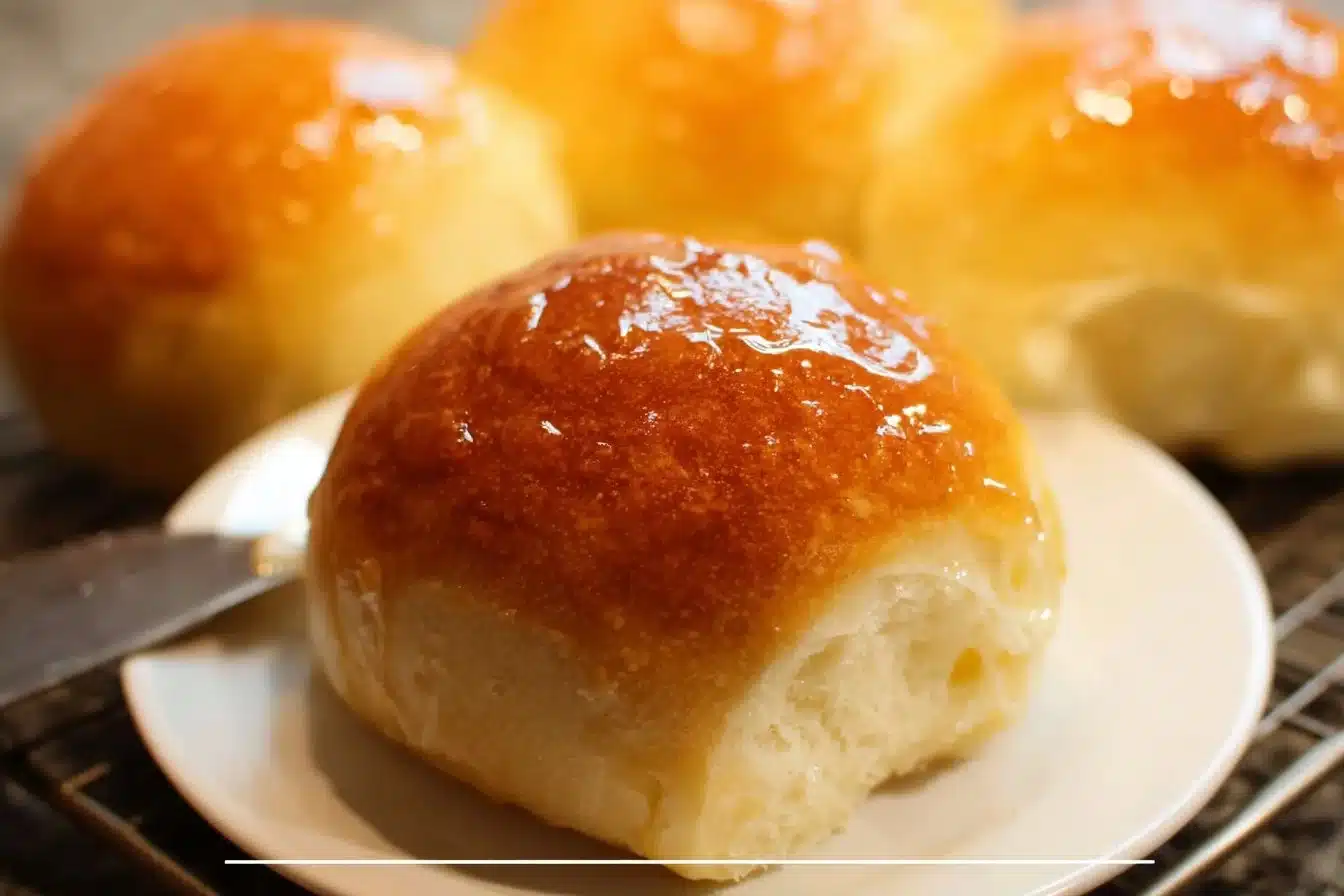
I remember the first time I folded dough for dinner rolls in my seaside kitchen, the fog pressing soft gray against the windows while the kettle sang on the stove. Dinner Rolls felt almost sacred that evening; I could smell butter melting and a hint of rosemary from a pot on the sill. As I shaped each little ball, my hands learned the gentle rhythm of patience and touch, and for a moment the house felt like a warm harbor. That memory still guides me whenever I bake: small rituals, simple comforts, and a promise that these little breads will bring people to the table.
Flavor and Popularity
The Unique Flavor Profile of Dinner Rolls
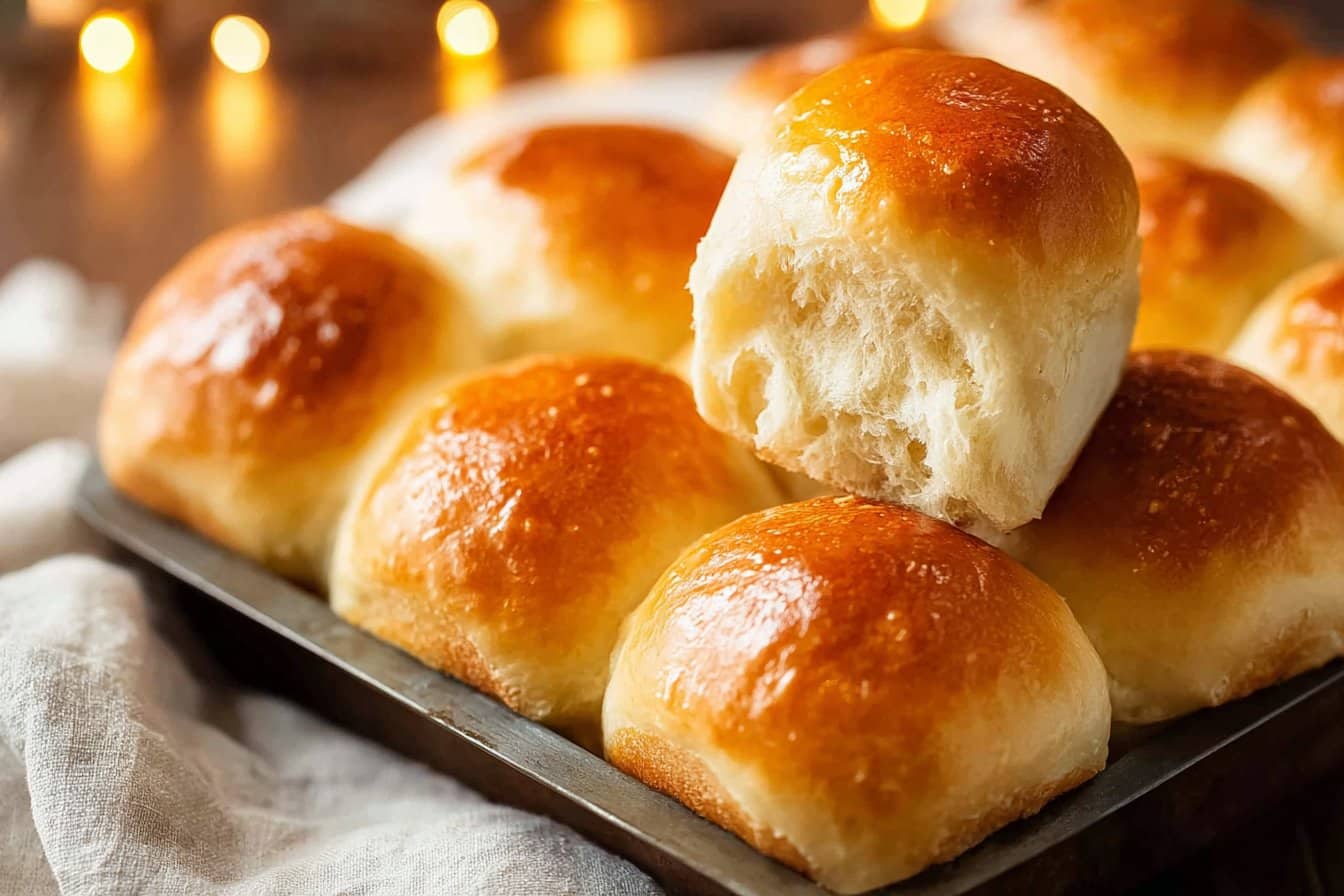
Dinner rolls offer a comforting, buttery flavor that pairs beautifully with savory mains, and yet they hold their own because of a soft, slightly sweet crumb. Moreover, a light crust provides contrast, while enriched dough—usually with milk, butter, or egg—delivers a tender interior. Many people savor the subtle umami notes that develop when rolls brown in the oven, and herbs like thyme or rosemary add an earthy brightness that elevates the whole loaf.
Because they take on other flavors so readily, dinner rolls adapt: you can fold in sautéed garlic and herbs for a fragrant twist, brush them with honey-butter for a sweet finish, or top them with coarse salt for a rustic touch. Consequently, they appear at holidays and weeknight dinners alike, and they maintain a universal appeal because everyone loves a warm, soft roll with their meal.
Why This Recipe Is a Family Favorite and Crowd-Pleaser
First, these rolls rise reliably because of a forgiving dough and simple method. Second, they stay soft for days when stored correctly, which means you can bake ahead without stress. Families love them because they pair with everything—from roasted chicken to vegetarian stews—while dinner guests often ask for seconds because the buttery crumb seems to whisper comfort.
Furthermore, this recipe balances richness and lightness: not too heavy, yet satisfying. It also adapts easily: add cheese for savory lovers, or fold in a bit of mashed sweet potato for autumnal depth. As a result, whether you serve them at a holiday feast or a quiet dinner, these rolls feel simultaneously special and reassuring.
Ingredients and Preparation
Essential Ingredients and Possible Substitutions
- All-purpose flour — provides structure; substitute up to half with bread flour for more chew.
- Warm milk — enriches the dough; alternatively, use plant milk for a dairy-free version.
- Active dry yeast — the rising force; instant yeast works too, though adjust proofing times slightly.
- Granulated sugar — feeds the yeast and adds a whisper of sweetness.
- Salt — balances flavor; sea salt gives a cleaner finish.
- Unsalted butter — for a rich, buttery crumb; use olive oil for a lighter, savory roll.
- Egg — improves color and tenderness; omit for an eggless roll, and brush with milk for shine.
- Optional: chopped fresh herbs (rosemary, thyme), minced sautéed garlic, grated cheese, or mashed potatoes for added richness.
If you love spiced, sweet breads as much as I do, consider trying a seasonal twist—like pumpkin-scented rolls—and explore similar techniques in an easy pumpkin recipe that adapts well to enriched doughs: easy pumpkin cinnamon rolls.
Step-by-Step Recipe Instructions with Tips
Yield: About 12 dinner rolls
Ingredients
- 3 1/2 cups all-purpose flour, plus more for dusting
- 1 cup warm milk (105–115°F)
- 2 1/4 tsp active dry yeast (one packet)
- 2 tbsp granulated sugar
- 1 tsp salt
- 4 tbsp unsalted butter, softened, plus 2 tbsp melted for brushing
- 1 large egg, room temperature
- Optional mix-ins: 2 cloves sautéed garlic, 2 tbsp chopped fresh herbs, or 1/2 cup grated cheddar
Directions
- Activate the yeast: Whisk the warm milk, sugar, and yeast in a bowl. Wait 5–10 minutes until the mixture turns foamy. If it doesn’t foam, start with fresh yeast because the yeast may be inactive.
- Make the dough: In a large bowl, combine flour and salt. Then add the softened butter, egg, and foamy yeast mixture. Stir with a wooden spoon until a shaggy dough forms.
- Knead: Turn the dough onto a lightly floured surface and knead for 8–10 minutes until smooth and elastic. Alternatively, use a stand mixer with a dough hook on low for 6–7 minutes.
- First rise: Place the dough in a lightly oiled bowl, cover, and let it rise in a warm spot for 1–1 1/2 hours, or until doubled.
- Shape the rolls: Punch down the dough gently, divide into 12 equal pieces, and shape each into a smooth ball. Place them in a buttered baking pan, leaving slight gaps for expansion.
- Second rise: Cover the pan and let the rolls rise for 30–45 minutes until puffy.
- Bake: Preheat the oven to 375°F (190°C). Brush the tops with melted butter and bake for 18–22 minutes until golden brown.
- Finish: Remove from the oven and brush again with melted butter. Let cool slightly before serving.
Always experiment with small variations, and note that cooler kitchens need longer rises while very warm kitchens shorten proofing time. Also, when adding sautéed garlic or cheese, fold them in gently during shaping to prevent tearing the dough.
Cooking Techniques and Tips
How to Cook Dinner Rolls Perfectly
- Use warm but not hot liquid. Yeast prefers a gentle warmth; too-hot milk kills it, and too-cold liquid slows proofing.
- Keep dough slightly tacky. While kneading, aim for a soft, elastic texture. If you add too much flour, the rolls will turn dense. Conversely, a slightly sticky dough often yields a lighter roll.
- Mind the first rise. Proof until the dough doubles; this timing matters more than the clock. If you pinch the dough and the indentation springs back slowly, it’s ready.
- Bake with steam for a tender crust. Place an oven-safe pan with a little water on a lower rack for the first 5 minutes if you want a softer exterior. However, if you prefer a slightly crisper top, skip the steam and brush with butter before baking.
- Rotate the pan halfway through baking for even browning. Also, use an oven thermometer to ensure accurate temperature, because hotspots cause uneven color and texture.
- Cool briefly before serving. While warm rolls taste heavenly, letting them rest 10 minutes allows the crumb to set so slices don’t smoosh.
Common Mistakes to Avoid
- Over-flouring during kneading: add small amounts of flour only as needed and trust a slightly tacky dough.
- Skipping the second rise: this short rest gives the rolls their final lift; rushing this step yields tight crumb.
- Using expired yeast: always proof yeast in warm liquid with sugar; no foam means replace yeast.
- Overbaking: pull rolls when they reach a deep golden color. They continue to cook slightly after leaving the oven.
- Adding cold butter or eggs straight from the fridge: bring enrichments to room temperature so they incorporate evenly and don’t shock the yeast.
Paying attention to these details transforms ordinary rolls into something memorable. Moreover, small habits—like brushing with butter twice—make a big sensory difference.
Health Benefits and Serving Suggestions
Nutritional Value of Dinner Rolls
Dinner rolls deliver quick energy from carbohydrates, and enriched versions supply modest protein and fat from milk and butter. When you add herbs, garlic, or finely grated vegetables, you increase antioxidants and micronutrients slightly. For a more nutrient-dense option, substitute some whole-wheat flour or add seeds like flax or chia. Still, enjoy rolls as part of a balanced meal: paired with lean protein and vegetables, they complete a nourishing plate rather than dominate it.
Also, consider portion control: one standard roll offers satisfaction without excess. Finally, adapt recipes to dietary needs by using plant-based milk and oils, or choosing egg-free formulas when necessary.
Best Ways to Serve and Pair This Dish
- For weeknight comfort, serve with a skillet of sautéed greens or a roast chicken; the buttery rolls soak up pan juices beautifully.
- For holiday tables, present them alongside herb-roasted turkey, gravy, and cranberry compote; guests will reach for them to mop up every savory drop.
- For soups and stews, offer warm rolls brushed with garlic-herb butter; they act as the perfect side dish that absorbs brothy goodness.
- For a rustic picnic, pack rolls with slices of smoked cheese and cured meats; they travel well and taste better as the flavors mingle.
Moreover, use dinner rolls as the base for sliders or mini sandwiches. Toast them briefly to add texture, and then pile in roasted vegetables or a smear of tangy mustard. Because rolls take flavors so well—sautéed mushrooms, umami-rich cheeses, and herby compound butters—they work across many cuisines.
FAQ
What type of mushrooms are best for Dinner Rolls?
For stuffing or mixing into roll dough, cremini or shiitake mushrooms work wonderfully because they offer a robust, earthy flavor. Also, saute them first to reduce moisture and concentrate their umami. If you want a milder profile, use button mushrooms; however, for pronounced depth, choose chestnut or oyster varieties.
Can I use dried garlic instead of fresh?
Yes, you can use dried garlic, but adjust quantities since dried forms taste more concentrated and lack the aromatic oiliness of fresh. Consequently, rehydrate dried flakes in a bit of warm water or olive oil before mixing them into dough to distribute flavor more evenly. Fresh, sautéed garlic will deliver a fuller, more buttery aroma.
How do I store leftover Dinner Rolls?
Store rolls in an airtight container at room temperature for up to 2 days. If you plan to keep them longer, refrigerate in a sealed bag for up to a week, though note refrigeration can dry them slightly. For best texture, rewarm gently in a low oven or microwave with a damp paper towel to restore softness.
Can I freeze Dinner Rolls?
Absolutely. Cool rolls completely, then flash-freeze on a tray before transferring to a freezer bag. Freeze for up to 3 months. Reheat from frozen by wrapping in foil and warming at 325°F (160°C) for 15–20 minutes, or thaw overnight and reheat until warm. Adding a knob of butter while reheating refreshes their buttery aroma and texture.
Conclusion
If you’re like me, you believe the smallest things—warm bread, a dab of butter, and a table of familiar faces—hold the greatest magic. There’s something comforting about the ritual of mixing, folding, and waiting; it slows the day and makes room for conversation. Trust me, you’ll want to make this again and again, whether you keep the rolls simple or fold in earthy mushrooms, sautéed garlic, or herbs straight from the windowsill. Bake a batch, pass the basket, and watch how something so small can gather people together.

Best Dinner Rolls: 7 Irresistible Tips
- Total Time: 45
- Yield: 12 rolls 1x
- Diet: Vegetarian
Description
Deliciously buttery and soft dinner rolls that pair perfectly with any meal, easy to make with tips for achieving the perfect texture.
Ingredients
- 3 1/2 cups all-purpose flour, plus more for dusting
- 1 cup warm milk (105–115°F)
- 2 1/4 tsp active dry yeast (one packet)
- 2 tbsp granulated sugar
- 1 tsp salt
- 4 tbsp unsalted butter, softened, plus 2 tbsp melted for brushing
- 1 large egg, room temperature
- Optional mix-ins: 2 cloves sautéed garlic, 2 tbsp chopped fresh herbs, or 1/2 cup grated cheddar
Instructions
- Activate the yeast: Whisk the warm milk, sugar, and yeast in a bowl. Wait 5–10 minutes until the mixture turns foamy.
- Make the dough: In a large bowl, combine flour and salt. Then add the softened butter, egg, and foamy yeast mixture. Stir with a wooden spoon until a shaggy dough forms.
- Knead: Turn the dough onto a lightly floured surface and knead for 8–10 minutes until smooth and elastic.
- First rise: Place the dough in a lightly oiled bowl, cover, and let it rise in a warm spot for 1–1 1/2 hours, or until doubled.
- Shape the rolls: Punch down the dough gently, divide into 12 equal pieces, and shape each into a smooth ball. Place them in a buttered baking pan, leaving slight gaps for expansion.
- Second rise: Cover the pan and let the rolls rise for 30–45 minutes until puffy.
- Bake: Preheat the oven to 375°F (190°C). Brush the tops with melted butter and bake for 18–22 minutes until golden brown.
- Finish: Remove from the oven and brush again with melted butter. Let cool slightly before serving.
Notes
Small variations in ingredients can lead to new flavors; experiment with different herbs and cheeses. Keep dough slightly tacky for light rolls.
- Prep Time: 15
- Cook Time: 22
- Category: Bread
- Method: Baking
- Cuisine: American
Nutrition
- Serving Size: 1 roll
- Calories: 200
- Sugar: 2g
- Sodium: 300mg
- Fat: 8g
- Saturated Fat: 4g
- Unsaturated Fat: 4g
- Trans Fat: 0g
- Carbohydrates: 28g
- Fiber: 1g
- Protein: 5g
- Cholesterol: 20mg
Keywords: dinner rolls, bread, baking, comfort food
