
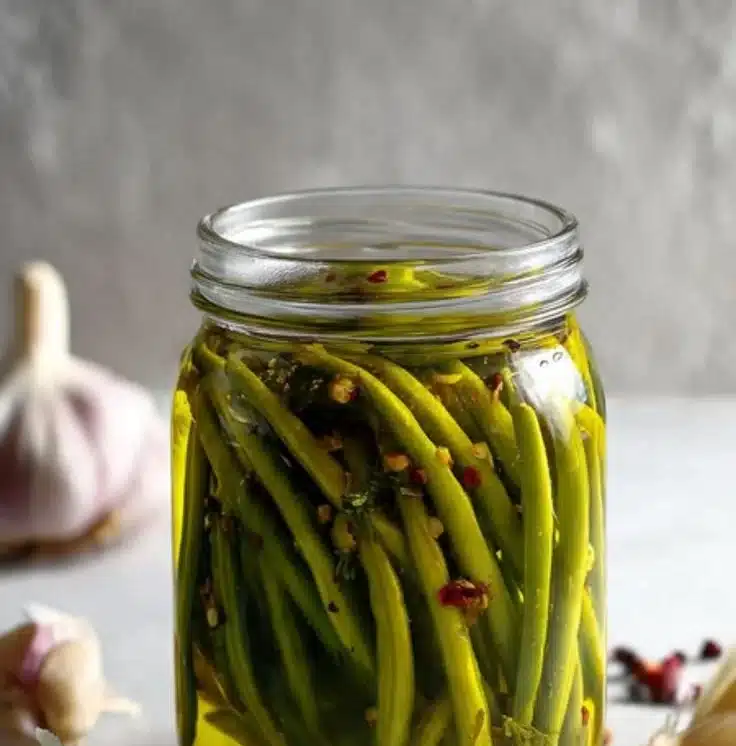
I tasted my first jar of Delicious Pickled Green Beans on a gray morning when the fog pressed against the windowpanes and my neighbor, June, knocked with a mason jar in hand. Delicious Pickled Green Beans gleamed like little emeralds, crisp and bright; they smelled of sharp vinegar, fresh dill, and the warm, sweet whisper of pickling spices. I remember peeling the lid and thinking, immediately, that this was the kind of food that held a story—preserved summers, late-night canning sessions, and a backyard harvest shared over coffee. Later that week, while I rolled out dough for an apple tart, I bookmarked a favorite homemade apple pie recipe to bake alongside a jar of these crunchy gems.
Flavor and Popularity
The Unique Flavor Profile of Delicious Pickled Green Beans
Delicious Pickled Green Beans combine bright acidity, herbal freshness, and a satisfying snap. First, vinegar delivers a zippy backbone, while sugar or honey rounds the edges so the brine feels balanced rather than sharp. Next, garlic and mustard seeds add savory, earthy notes that lean toward umami. Then, dill and bay leaf lend an herbal, buttery lift that keeps each bite lively. Finally, a pinch of red pepper flakes whispers heat rather than shouts it, so the beans remain approachable for all ages.
Because they retain a firm, almost sautéed bite even after pickling, these green beans marry well with both rustic and refined plates. People who love tangy, crisp condiments often reach for a jar straight from the refrigerator, yet chefs also fold them into salads, platters, and sandwiches because of their layered flavor. In many households, they go as quickly as any jarred treat, which explains why pickled green beans have become a beloved side and snack in kitchens from coast to coast.
Why This Recipe Is a Family Favorite and Crowd-Pleaser
This recipe keeps crowds happy because it balances simplicity with depth. You can assemble the brine in under twenty minutes, while the beans blanched briefly keep their crunch. Families love it because kids enjoy the snap and adults appreciate the complex notes from the spices. Moreover, because these beans travel well to potlucks and holiday gatherings, they often become a requested dish—people ask you to bring them again and again.
People also adore the versatility. Serve them cold as a tangy side dish, toss them into a skillet for a warm, buttery finish, or use them as a crunchy garnish for Bloody Marys and charcuterie boards. For a sweet-salty contrast after dinner, they even pair nicely with fruit-forward desserts; I often suggest baking a warm apple pie or tart to accompany them, and this homemade apple pie recipe works perfectly for that bright contrast.
Ingredients and Preparation
Essential Ingredients and Possible Substitutions
- Fresh green beans (preferably young and crisp): choose beans that snap cleanly; fresher gives a better texture.
- White vinegar (5% acidity): provides a clean, bright brine. You can use apple cider vinegar for a milder, fruity tang.
- Water: to balance the vinegar.
- Kosher salt: preserves and seasons; do not substitute table salt by volume without adjusting.
- Sugar or honey: balances acidity; use less if you prefer a tarter pickle.
- Garlic cloves: fresh adds pungent, aromatic depth.
- Fresh dill sprigs: classic, buttery, and herbaceous. Tarragon or rosemary can replace dill for a different aromatic profile.
- Pickling spices: mustard seeds, coriander seeds, black peppercorns; they add an earthy, toasty character.
- Red pepper flakes: optional, for a subtle heat.
- Bay leaf: lends a subtle savory note that melds with the brine.
Possible substitutions keep this recipe flexible. For a lower-acidity brine, increase the water slightly but ensure safe pickling practices if you plan on long-term shelf storage. To make a savory, umami-forward version, add soy sauce (reduce salt) or a splash of fish sauce. For a smoky twist, include a few slices of roasted jalapeño.
Step-by-Step Recipe Instructions with Tips
Prepare jars: Sterilize 3 pint jars and lids by washing them in hot, soapy water and keeping them warm in a low oven. Meanwhile, trim the beans and wash them thoroughly.
Blanch the beans: Bring a large pot of salted water to boil. Add the green beans and blanch for 2–3 minutes until they turn bright green but remain very firm. Immediately plunge them into an ice bath to stop cooking; this preserves their crisp texture and color.
Make the brine: In a saucepan, combine 2 cups white vinegar, 1 cup water, 2 tablespoons sugar (or 1 tablespoon honey), 1 tablespoon kosher salt, 4 garlic cloves (crushed), 2 tablespoons pickling spices, 1 teaspoon red pepper flakes (optional), and 3 bay leaves. Heat gently until sugar and salt dissolve, then simmer for 2 minutes to tease out the spice flavors. Remove from heat.
Pack the jars: Into each warm jar, place a sprig of dill and divide the blanched green beans vertically so they stand upright, packing them snugly. Add any remaining garlic or extra mustard seeds into the jars for visual appeal and flavor.
Pour brine and seal: Carefully pour hot brine over the beans, leaving 1/2-inch headspace. Tap jars lightly to release trapped air and clean rims with a damp cloth. Seal with lids while still hot.
Process or refrigerate: For refrigerator pickles, cool jars and store them in the fridge for at least 48 hours before eating, though flavor improves after a week. For shelf-stable jars, process them in a boiling water bath for 10 minutes, then allow to cool undisturbed for 12–24 hours.
Serving tip: Wait at least 72 hours before opening if possible; the brine needs time to marry. Use them within 2 months for the best texture if stored in the refrigerator, or within a year if canned properly.
Cooking tips:
- Always use fresh, crisp beans—overly mature pods become mushy after pickling.
- Blanch briefly; overcooking ruins the snap.
- Warm brine helps infuse spices more quickly, so pour while hot.
- Label jars with the date; this helps you track freshness.

Cooking Techniques and Tips
How to Cook Delicious Pickled Green Beans Perfectly
Start by sourcing the right green beans. Young, slender beans give the best bite, while thicker ones can become fibrous. Also, always use a measured brine ratio so the balance of vinegar, water, and salt remains consistent. If you prefer a buttery finish, finish warm beans in a skillet with a pat of butter and chopped herbs before canning for a richer profile. However, remember that adding fat can change preservation properties, so keep those jars refrigerated and plan to eat them sooner.
Use a fine-mesh sieve when pouring the brine to catch loose spices if you prefer a clearer jar. Conversely, if you enjoy the speckled look of mustard seeds and peppercorns, pour them in freely. In short, pickling allows play, so taste and adjust the sugar and heat levels to your liking before filling jars.
Common Mistakes to Avoid
Don’t skip the ice bath after blanching; many cooks do, and their beans turn limp. Never overcrowd jars; leave appropriate headspace to allow for expansion during water-bath processing. Also, avoid substituting vinegar with unknown acidity—proper 5% acidity vinegar ensures safety when canning. Finally, don’t store unprocessed jars at room temperature unless you’ve completed a proper canning step; otherwise refrigerate.
Health Benefits and Serving Suggestions
Nutritional Value of Delicious Pickled Green Beans
Pickled green beans retain many of the vitamins and minerals found in fresh green beans, particularly vitamin K, vitamin C (though slightly reduced), folate, and potassium. Pickling increases bioavailability of probiotics only if fermented lacto-fermentation occurs; however, quick-brine pickles made with vinegar still offer low-calorie flavor and a satisfying way to boost vegetable intake. In addition, the vinegar in the brine may support digestion for some people, and the fiber in green beans supports gut health.
Be mindful of sodium: pickles can carry more salt than fresh beans, so if you watch your sodium intake, rinse a portion before serving or adjust the salt level in the recipe. Also, because sugar commonly accompanies vinegar in brines, you can reduce or eliminate it to suit dietary needs.
Best Ways to Serve and Pair This Dish
Delicious Pickled Green Beans shine in many roles. Serve them chilled as a crisp side dish alongside roasted meats or grilled fish. Toss them into a warm skillet with a knob of butter and chopped herbs for a quick, savory vegetable that develops an almost sautéed finish. For a casual party, add them to a charcuterie board where their acidity cuts through cheeses and cured meats. Also, include them as a crunchy topping for salads or grain bowls to add textural contrast and bright acidity.
Pairing ideas:
- Charcuterie: The beans cut through rich, fatty cheeses and salamis.
- Sandwiches: Add a few for crunch and acid on a roast beef or turkey sandwich.
- Bloody Marys: Use a pickled bean as a dramatic, crunchy garnish that doubles as a snack.
- Desserts: For an unexpected but delightful contrast, serve them with a slice of baked fruit pie or crisp—their tang balances sweetness beautifully.
FAQs
What type of mushrooms are best for Delicious Pickled Green Beans?
While mushrooms do not play a traditional role in pickled green beans, if you like adding mushrooms to a mixed vegetable pickle, choose firm varieties like cremini or button mushrooms. They hold their texture under brining and absorb the brine without becoming overly soft. Sauté them briefly before pickling for extra flavor, and then pack them alongside the beans.
Can I use dried garlic instead of fresh?
You can, but fresh garlic delivers a brighter, more aromatic flavor that melds beautifully with the brine. Dried garlic will provide a milder, more muted note and may rehydrate unevenly in the jar. If you must use dried, increase the quantity slightly and taste the brine to ensure the desired punch.
How do I store leftover Delicious Pickled Green Beans?
Store unopened, properly processed jars in a cool, dark pantry. Once opened, keep the jar refrigerated and use within 1–2 months for best texture and flavor. For refrigerator-only pickles (not water-bath processed), store in the fridge and consume within six to eight weeks.
Can I freeze Delicious Pickled Green Beans?
Freezing pickled green beans is possible but not ideal. The freezing process damages the beans’ cell structure, resulting in a softer, mushier texture upon thawing. If you plan to freeze, consider freezing the blanched beans separately and add a quick vinegar dressing after thawing to mimic the pickled profile, although this will not reproduce the full depth of a properly brined pickle.
Conclusion
If you’re like me, you cherish small rituals that turn simple ingredients into keepsakes. There’s something comforting about the hiss of a lid sealing, the bright pop of dill against vinegar, and the memory of a neighbor handing you a jar on a foggy morning. I encourage you to try this recipe for Delicious Pickled Green Beans; they will brighten sandwiches, enliven salads, and start conversations at your next gathering. Trust me, you’ll want to make this again and again.
Print
Delicious Pickled Green Beans
- Total Time: 30 minutes
- Yield: 3 pint jars 1x
- Diet: Vegetarian
Description
A tangy and crisp pickled green bean recipe that balances acidity with savory spices, perfect for summer preservation.
Ingredients
- 1 pound fresh green beans
- 2 cups white vinegar (5% acidity)
- 1 cup water
- 2 tablespoons kosher salt
- 2 tablespoons sugar or 1 tablespoon honey
- 4 garlic cloves, crushed
- 2 tablespoons pickling spices
- 1 teaspoon red pepper flakes (optional)
- 3 bay leaves
- Fresh dill sprigs
Instructions
- Sterilize 3 pint jars and lids by washing in hot, soapy water and keeping warm in a low oven.
- In a large pot of salted water, blanch the green beans for 2–3 minutes, then plunge into an ice bath.
- In a saucepan, combine vinegar, water, sugar or honey, salt, garlic, pickling spices, red pepper flakes, and bay leaves. Heat gently until dissolved and simmer for 2 minutes.
- Pack blanched beans into warm jars with dill, adding remaining garlic and spices.
- Pour hot brine over beans, leaving 1/2-inch headspace. Seal with lids.
- For refrigerator pickles, cool and store in fridge at least 48 hours; for shelf-stable jars, process in a boiling water bath for 10 minutes.
Notes
These pickled green beans can last up to 2 months in the fridge and up to a year if canned properly. Wait 72 hours before tasting for the best flavor.
- Prep Time: 20 minutes
- Cook Time: 10 minutes
- Category: Condiment
- Method: Pickling
- Cuisine: American
Nutrition
- Serving Size: 1 serving
- Calories: 50
- Sugar: 4g
- Sodium: 300mg
- Fat: 0g
- Saturated Fat: 0g
- Unsaturated Fat: 0g
- Trans Fat: 0g
- Carbohydrates: 12g
- Fiber: 3g
- Protein: 2g
- Cholesterol: 0mg
Keywords: pickled green beans, canning, vinegar, summer recipes, tangy side dish
