

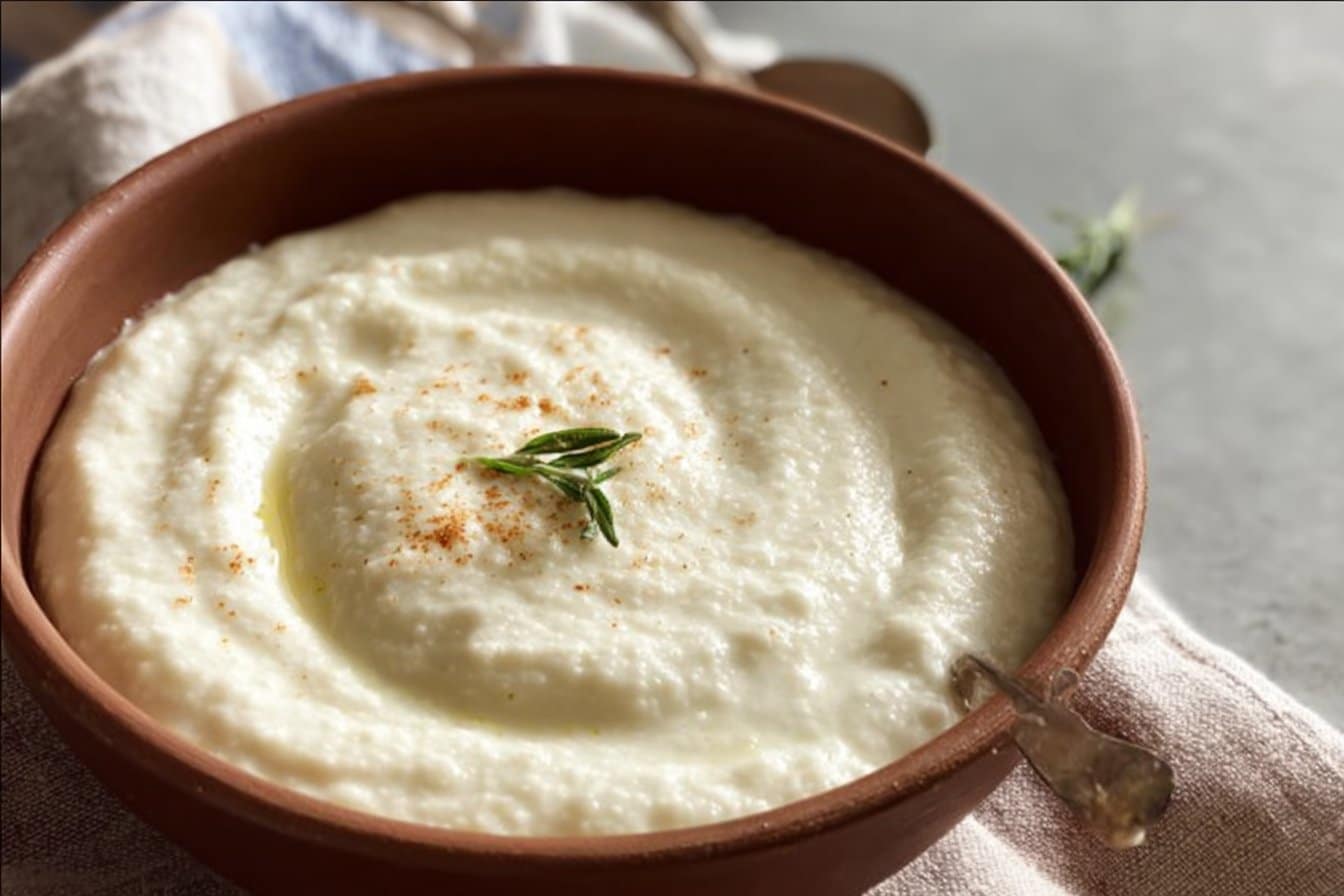
I remember the first time I coaxed a bowl of cauliflower into a silky, rich sauce. Creamy Cauliflower Sauce sat steaming on my counter, its buttery aroma cutting through the coastal fog that always slips into my kitchen windows. I forked a piece of roasted broccoli, drizzled the sauce over it, and felt a small, private triumph—like turning something humble into the kind of comfort food that hugs you from the inside. If you love sauces that surprise you, try this one and then wander over to my twist on creamy romesco for another bold, saucy idea.
Flavor and Popularity
The Unique Flavor Profile of Creamy Cauliflower Sauce
Creamy Cauliflower Sauce balances subtle sweetness, buttery mouthfeel, and gentle nuttiness. Because cauliflower has a mild base, it soaks up aromatics and umami boosters beautifully. For example, sautéed garlic and sautéed mushrooms add depth, while a splash of lemon brightens the whole dish. Moreover, rosemary or thyme provide herbal echoes that lift the sauce without overwhelming it. As a result, the sauce remains versatile: it plays well as a pasta sauce, a vegetable drizzle, or a luxurious base for grains.
This sauce gains popularity because it fits several modern cravings. First, it satisfies those who seek comfort food but want vegetables at the center. Second, it adapts easily to dietary needs. Therefore, cooks find it on weeknight menus and at dinner parties alike.
Why This Recipe Is a Family Favorite and Crowd-Pleaser
My family calls this the magic sauce because it changes fast and elevates whatever it touches. Children often don’t moan at cauliflower anymore, while grown-ups praise the creamy texture that doesn’t rely on heavy cream. Also, this recipe uses pantry-friendly staples and a few fresh herbs, so you can pull it together quickly. Consequently, I bring this to potlucks, and it disappears first.
Ingredients and Preparation
Essential Ingredients and Possible Substitutions
You need a few essentials for a silky, flavorful result:
- Fresh cauliflower florets (about 1 large head) — the star ingredient.
- High-quality olive oil or unsalted butter — choose butter for richer, buttery notes.
- Onion and fresh garlic — for foundational flavor.
- Low-sodium vegetable or chicken stock — to blend and thin the sauce.
- Nutritional yeast or Parmesan — for savory umami; use nutritional yeast for a vegan option.
- Lemon juice — to brighten and balance the dish.
- Salt and freshly ground black pepper.
- Optional aromatics: sautéed mushrooms, fresh thyme, or smoked paprika for smoky warmth.
If you must substitute, note the following. First, canned cauliflower works in a pinch, although fresh gives better texture and flavor. Also, you can swap the stock for water plus a touch more salt, but stock delivers deeper savory notes. Finally, use Greek yogurt for a tangy lift, but add it off the heat to prevent separation.
Step-by-Step Recipe Instructions with Tips
Begin by prepping the cauliflower: chop it into even florets so it cooks uniformly. Then, sweat a diced onion in olive oil or butter until translucent. Next, add minced garlic and cook briefly until fragrant, but do not let the garlic brown. Meanwhile, steam or boil the cauliflower until a fork slides through easily; you want it very tender.
Transfer the cooked cauliflower, sautéed onion and garlic, and a cup of warm stock to a high-speed blender. Add a tablespoon of olive oil or butter, two tablespoons of nutritional yeast or grated Parmesan, and a squeeze of lemon juice. Blend until exquisitely smooth, stopping to scrape down the sides. If the sauce feels too thick, add more stock, one-quarter cup at a time, until it reaches a silky, pourable consistency.
For extra depth, sauté sliced mushrooms in a hot skillet until they turn golden and add them to the sauce or serve them on top. Additionally, finish the sauce with herbs—chopped parsley or thyme—and season well. Taste as you go and adjust salt, pepper, and acidity.
Tips:
- Use a high-speed blender for the creamiest result; otherwise, an immersion blender works but may leave a slightly chunkier texture.
- Roast a portion of the cauliflower first for an earthy, caramelized flavor.
- Warm the sauce gently before serving; avoid boiling it once dairy elements or yogurt have joined.

Cooking Techniques and Tips
How to Cook Creamy Cauliflower Sauce Perfectly
Cook the cauliflower until tender to the point where it practically melts under a fork. Also, simmer aromatics slowly to coax out sweetness, but avoid high heat that chars too quickly. If you choose to roast your cauliflower, pour the sauce over roasted vegetables to contrast the caramelized bits with silky creaminess.
When you blend, keep liquids warm to help the sauce emulsify smoothly. Then, pulse and blend in bursts to create an even texture. Finally, strain the sauce through a fine mesh for a velvet finish if you desire a restaurant-quality mouthfeel.
Common Mistakes to Avoid
Avoid under-seasoning: cauliflower needs salt and acid to shine. Also, do not add cold dairy straight into a piping-hot sauce, because it can cause curdling. Furthermore, do not rely only on cauliflower for richness; add a small amount of butter, olive oil, or a nut butter like cashew paste for body. Lastly, don’t overblend at extremely high speeds for too long, as friction can warm the sauce and alter texture.
Health Benefits and Serving Suggestions
Nutritional Value of Creamy Cauliflower Sauce
Cauliflower brings fiber, vitamin C, and folate while remaining low in calories, so this sauce enhances meals without unnecessary heaviness. Also, swapping cream for cauliflower dramatically reduces saturated fat and calories. If you use nutritional yeast, you gain B vitamins and an umami punch without dairy. Overall, this sauce offers a health-forward alternative to traditional cream-based sauces.
Best Ways to Serve and Pair This Dish
Serve the sauce over al dente pasta, roasted vegetables, or grilled fish for a silky finish. Also, use it as a base under a skillet of sautéed mushrooms and greens for a rustic vegetarian main. For a protein-rich plate, drizzle the sauce over roasted chicken or lamb. If you want an adventurous pairing, spoon it alongside spiced chickpeas and roasted root vegetables. Moreover, this sauce doubles as a dip for warm bread or steamed carrots during parties.
For balanced meals, I often serve it with a simple salad dressed in lemon and olive oil, and occasionally I pair it with bold flavors like preserved lemon or capers to cut through the creaminess. If you prefer hearty comfort, toss it with pasta, sautéed garlic, and wilted spinach for a quick weeknight meal. Alternatively, take inspiration from other saucy favorites and try it with grilled shawarma-style chicken—my recipe for chicken shawarma with garlic sauce pairs beautifully with a light spoonful to mellow the spices.
Flavor Variations and Creative Uses
Transform the base by adding roasted red peppers for a smoky, colorful twist. Alternatively, stir in a spoonful of miso to heighten umami and add a savory depth that plays well with sautéed mushrooms. For a nutty version, blend in soaked cashews before puréeing. Also, finishing with a drizzle of browned butter gives a nutty, toasted note that delights the palate.
Storage and Make-Ahead Tips
Store leftover sauce in an airtight container in the refrigerator for up to four days. Reheat gently on the stove over low heat, whisking in a splash of stock or water to restore silky texture. For parties, prepare the base ahead, refrigerate, and rewarm while you roast vegetables or cook pasta. If you have busy weeks, freeze small portions in an ice cube tray; once solid, transfer cubes to a freezer bag so you can thaw single servings quickly.
FAQ Section
What type of mushrooms are best for Creamy Cauliflower Sauce?
Cremini or shiitake mushrooms work particularly well because they offer an earthy, meaty quality that complements the sauce’s mild base. Also, oyster mushrooms add a delicate texture, while button mushrooms remain the most economical and reliable choice. Sauté them until golden for the best flavor.
Can I use dried garlic instead of fresh?
You can use dried garlic in a pinch, though fresh garlic gives a brighter, more vibrant flavor. If you use dried garlic powder, add it sparingly and adjust after tasting. Additionally, rehydrate minced dried garlic in warm water before adding to the sauce for a closer texture and depth.
How do I store leftover Creamy Cauliflower Sauce?
Store leftovers in an airtight container in the refrigerator for up to four days. Moreover, keep the sauce slightly chilled and reheat slowly on low heat, whisking occasionally. If the sauce thickens during storage, add a splash of hot stock or water while warming to regain a smooth consistency.
Can I freeze Creamy Cauliflower Sauce?
Yes, you can freeze the sauce for up to three months. For convenience, freeze in small portions, such as ice cube trays or small jars. Then, thaw overnight in the refrigerator and reheat gently, adding a bit of liquid to restore silkiness.
Conclusion
If you’re like me, you cherish recipes that transform everyday vegetables into something both nourishing and indulgent. There’s something comforting about a warm bowl of Creamy Cauliflower Sauce draped over roasted vegetables or tossed with pasta; it feels like a small, soulful luxury. Trust me, you’ll want to make this again and again. For another well-tested take on a silky cauliflower-based sauce, see this Creamy Cauliflower Sauce Recipe – Pinch of Yum, which inspired a few of my technique choices and offers additional ideas to personalize your own version.

Creamy Cauliflower Sauce
- Total Time: 30 minutes
- Yield: 4 servings 1x
- Diet: Vegan
Description
A silky, rich sauce made from cauliflower, perfect for drizzling over vegetables, pasta, or grains.
Ingredients
- 1 large head of fresh cauliflower florets
- 2 tablespoons high-quality olive oil or unsalted butter
- 1 onion, diced
- 3 cloves fresh garlic, minced
- 1 cup low-sodium vegetable or chicken stock
- 2 tablespoons nutritional yeast or grated Parmesan
- 1 tablespoon lemon juice
- Salt and freshly ground black pepper, to taste
- Optional: sautéed mushrooms, fresh thyme, or smoked paprika
Instructions
- Chop cauliflower into even florets for uniform cooking.
- Sweat diced onion in olive oil or butter until translucent.
- Add minced garlic and cook briefly until fragrant.
- Steam or boil cauliflower until tender enough to be pierced by a fork.
- Transfer cooked cauliflower, onion, garlic, and stock to a high-speed blender.
- Add olive oil or butter, nutritional yeast or Parmesan, and lemon juice; blend until smooth.
- If too thick, add more stock, one-quarter cup at a time, until desired consistency is reached.
- Optional: Sauté sliced mushrooms in a skillet and mix in or serve on top.
- Finish with chopped herbs and season to taste.
Notes
For the creamiest result, use a high-speed blender; an immersion blender can leave a chunkier texture. Warm the sauce gently before serving.
- Prep Time: 10 minutes
- Cook Time: 20 minutes
- Category: Sauce
- Method: Blending
- Cuisine: Vegetarian
Nutrition
- Serving Size: 1 serving
- Calories: 150
- Sugar: 3g
- Sodium: 300mg
- Fat: 9g
- Saturated Fat: 2g
- Unsaturated Fat: 7g
- Trans Fat: 0g
- Carbohydrates: 18g
- Fiber: 4g
- Protein: 4g
- Cholesterol: 0mg
Keywords: cauliflower sauce, vegan sauce, creamy sauce, vegetable sauce, pasta sauce, healthy sauce
