
I remember the year I decided to bake The Best Sourdough Bread for Thanksgiving from scratch. The house smelled like roasted herbs and butter, yet the real magic happened when my starter woke up at dawn and I folded the dough beside the foggy kitchen window. Right away I knew this loaf would be different: tangy, nutty, and cozy enough to steal the show from the turkey. While I chatted with neighbors about holiday plans, I bookmarked a few resources, including a local roundup of the best sourdough bread options in Toronto, knowing some readers prefer store-bought starters or a city baker’s signature touch.
Flavor and Popularity
The Unique Flavor Profile of The Best Sourdough Bread for Thanksgiving
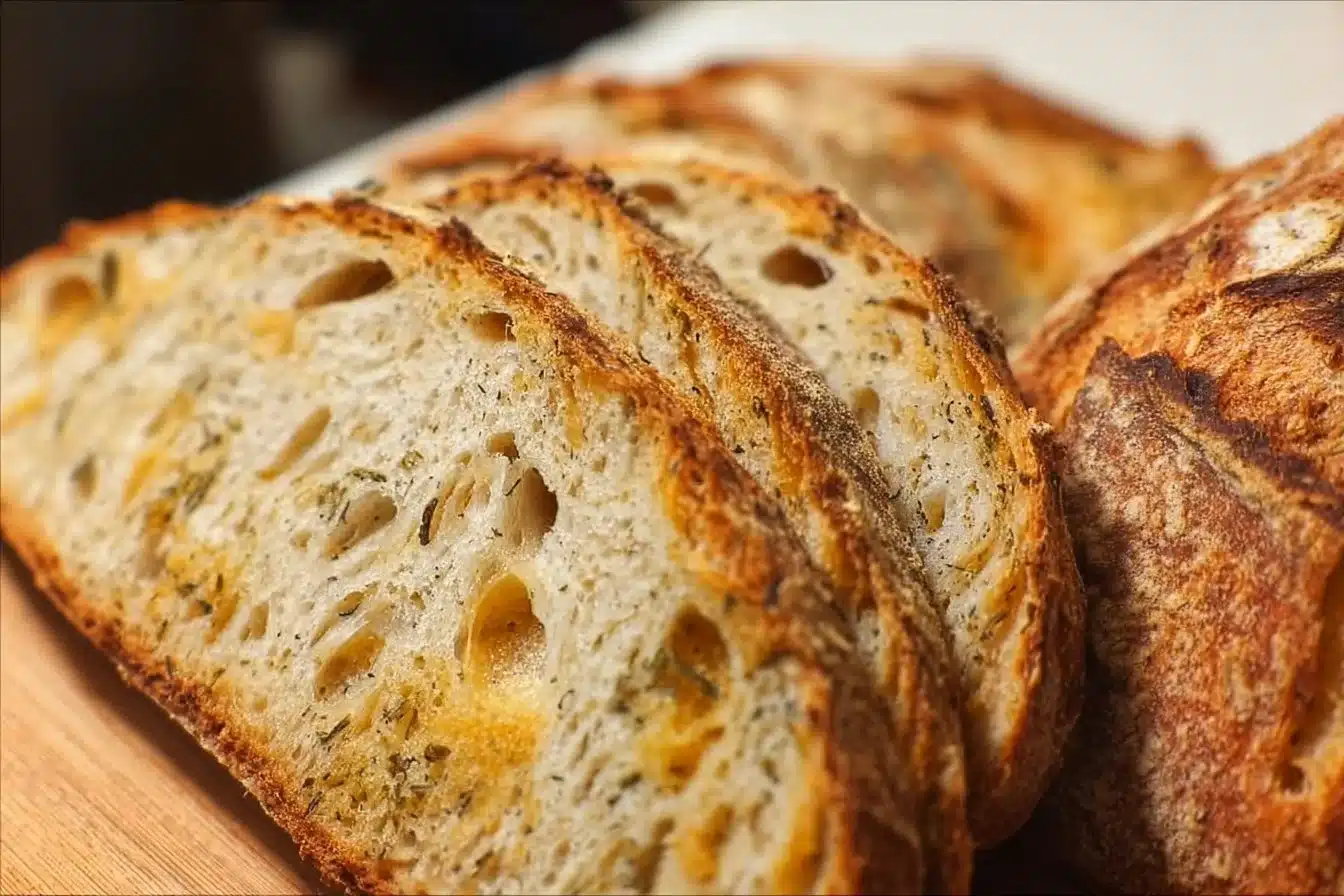
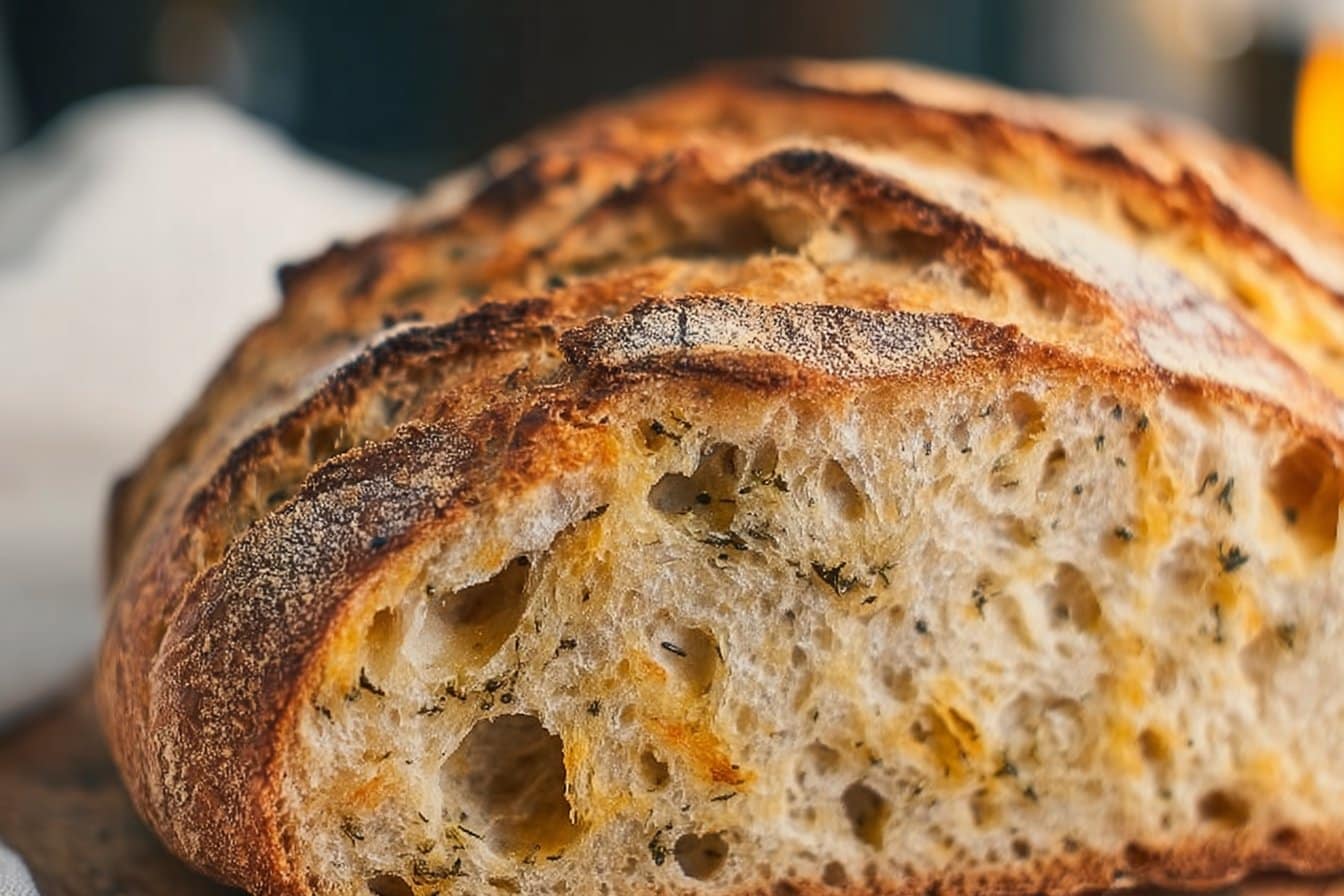
The Best Sourdough Bread for Thanksgiving balances bright tang, gentle sour, and a toasted, caramelized crust. Moreover, the long ferment brings depth: earthy notes from whole grains, a subtle umami that complements roast vegetables, and a buttery finish when you slather a warm slice with melted compound butter. Because the starter ferments slowly, lactobacilli produce lactic acid that yields a cleaner, more complex tang than commercial yeast. As a result, you get a loaf where crusty shards shatter on the first bite and the crumb yields airy pockets that trap buttery juices from your Thanksgiving plate.
Why This Recipe Is a Family Favorite and Crowd-Pleaser
Families love this recipe because it feels rustic and fancy at once. Also, it pairs with every classic on the holiday table: gravy leaps to life on a toasted slice, and herb butter slides into the chewy crumb with ease. Typically, guests ask for seconds because the loaf behaves like a reliable side dish and like a centerpiece when you score it into a decorative loaf. Importantly, the recipe scales well; therefore you can bake one large boule or two smaller batards and still keep the crunchy crust and moist crumb everyone raves about.
Ingredients and Preparation
Essential Ingredients and Possible Substitutions
- Active sourdough starter (100g mature starter fed 6–12 hours before use). You may substitute with a fed starter from a friend or a reputable bakery to save time.
- Bread flour (450g) for structure and oven spring. Substitute up to 50% with whole wheat (for a nuttier, denser loaf).
- Water (325–350g) at room temperature; adjust to achieve a tacky, hydrated dough.
- Salt (10g) for flavor and gluten strengthening. Use sea salt for a cleaner finish.
- Optional enrichments: 25–50g softened butter for a richer crumb, a tablespoon of olive oil for a tender crust, or 50–75g toasted seeds/nuts for texture.
- Add-ins for Thanksgiving flare: sautéed mushrooms with thyme for an earthy twist, rosemary or sage folded into the dough, or a handful of caramelized onions for sweetness.
If you prefer a tangier loaf, increase the starter percentage slightly and ferment for a shorter bulk rise at a warmer temperature. Conversely, for a milder loaf, lower the starter and allow a longer, cooler overnight fermentation.
Step-by-Step Recipe Instructions with Tips
Preparation time: Active hands-on about 45–60 minutes. Fermentation: 8–24 hours depending on temperature and starter strength. Yields: One 900–1000g boule.
- Feed your starter the evening before or early the same morning; use when bubbly and doubled.
- Mix 450g bread flour and 325g water in a bowl. Stir until no dry flour remains, cover, and autolyse for 30–60 minutes. This hydrates the flour and jumpstarts gluten development.
- Add 100g active starter and 10g salt. Mix by folding and pinching until the dough comes together. If you use butter or olive oil, incorporate it now.
- Perform a series of stretch-and-folds every 30 minutes for the next 2 hours (3–4 sets). During each set, wet your hand, lift one side of the dough, stretch it upward, and fold it over the center. Rotate the bowl and repeat four times.
- Bulk ferment at room temperature for 3–5 hours, depending on warmth. You want about a 30–50% rise and bubbles at the surface.
- Turn the dough gently onto a floured surface and pre-shape into a loose boule. Rest uncovered for 20 minutes.
- Final shape tightly into a boule or batard, using friction to tighten the surface. Place seam-side up in a floured proofing basket or bowl lined with a clean towel.
- Proof in the refrigerator overnight (8–14 hours) for flavor depth and a textured crumb. Alternatively, proof at room temperature for 2–3 hours until nearly doubled.
- Preheat your oven with a Dutch oven inside to 250°C/480°F for at least 45 minutes to ensure the vessel retains heat.
- When ready, turn the dough seam-side down onto parchment, score the top with a sharp lame, and transfer into the hot Dutch oven. Cover and bake 20 minutes covered, then reduce heat to 230°C/450°F and bake 20–25 minutes uncovered until deep mahogany.
- Remove the loaf and cool on a rack at least 1 hour before slicing to set the crumb.
Tips: For a more savory Thanksgiving loaf, fold in sautéed mushrooms and chopped sage during the final stretch-and-fold. Also, brush the loaf lightly with butter the first minute after removing the lid to soften the crust and add flavor.
Cooking Techniques and Tips
How to Cook The Best Sourdough Bread for Thanksgiving Perfectly
First, use a Dutch oven or covered clay baker to keep steam trapped during the initial bake; steam helps the crust expand, giving you spectacular oven spring. Second, score decisively with a sharp blade to control where the loaf opens. Third, watch your internal temperature: your loaf reaches doneness near 98–100°C (208–212°F). Furthermore, rotate the vessel halfway through the uncovered bake for even browning if your oven runs hot on one side.
Also, consider using a baking stone or steel if you prefer a more open oven method with added steam from a tray of boiling water. Finally, rest the loaf completely before you slice it. Although you may feel tempted to taste warm bread immediately, slicing too soon causes the crumb to compress and steam out, leaving a gummy interior.
Common Mistakes to Avoid
- Overproofing: Don’t let the dough exceed its peak; overproofed dough collapses and yields poor oven spring. Instead, aim for a slightly domed surface with visible bubbles.
- Under-hydration: A dry dough produces a tight crumb and dry mouthfeel. Conversely, an overly wet dough can be hard to shape. Add water slowly and watch how the dough responds.
- Cold starter: Use an active, bubbly starter at room temperature. A sluggish starter gives weak fermentation and poor flavor.
- High heat without steam: Sourdough needs steam during the first half of the bake; lacking steam gives a pale, tight crust.
- Slicing too early: Let the loaf cool fully; heat continues to set the crumb as it cools.
Health Benefits and Serving Suggestions
Nutritional Value of The Best Sourdough Bread for Thanksgiving
Sourdough offers several nutritional advantages over conventional bread. Thanks to long fermentation, sourdough reduces phytic acid, which helps mineral absorption like iron and magnesium. Also, fermentation partially breaks down gluten and complex starches, making the loaf easier to digest for many people. Nutritionally, a typical slice provides carbohydrates for energy, a small amount of protein, and depending on your flour choices, extra fiber and micronutrients from whole grains and seeds. If you include mushrooms and herbs, you increase the loaf’s umami and antioxidant profile, respectively.
Best Ways to Serve and Pair This Dish
Serve The Best Sourdough Bread for Thanksgiving warm with compound butter flavored with sage, roasted garlic, and a touch of lemon zest. Also, place slices beside a rich gravy so guests can mop up juices, or use thick slices for open-faced turkey sandwiches with cranberry relish. For a first course, transform thin slices into crostini topped with whipped ricotta, sautéed mushrooms, and thyme. For sides, pair the loaf with buttery mashed potatoes, a bright roasted root vegetable medley, or a creamy squash soup — the tang of the bread cuts richness and refreshes the palate.
Also, consider using leftover slices to make savory bread pudding: cube the bread, toss with a custard of eggs and cream, fold in sautéed mushrooms and sharp cheddar, then bake until puffed and golden. To maintain freshness between courses, consult a guide to the best way to store sourdough bread so you keep crust crisp and crumb tender for several days.
Frequently Asked Questions
What type of mushrooms are best for The Best Sourdough Bread for Thanksgiving?
I prefer cremini or shiitake mushrooms because they offer deep, earthy umami that complements sourdough’s tang. Also, oyster mushrooms add a delicate texture, while porcini (rehydrated) bring intense forest flavor that pairs beautifully with thyme and butter.
Can I use dried garlic instead of fresh?
You can substitute dried garlic for fresh when necessary; however, fresh roasted or sautéed garlic gives a sweeter, more vibrant flavor. If you choose dried garlic, rehydrate it briefly in warm water or olive oil to revive its aroma before folding it into the dough.
How do I store leftover The Best Sourdough Bread for Thanksgiving?
Store leftover sourdough in a paper bag or wrapped in a clean linen towel at room temperature for up to 2 days to preserve a crisp crust and tender crumb. For longer storage, keep the loaf in a bread box where the environment stays slightly humid yet ventilated, which prevents the crust from becoming too soft.
Can I freeze The Best Sourdough Bread for Thanksgiving?
Yes, freeze in slices for convenience. Wrap slices tightly in plastic wrap and place them in a freezer-safe bag for up to 3 months. Also, remove slices directly from the freezer and toast or reheat in a 180°C/350°F oven until warm; reheating restores a lovely crust and fresh texture.
If you’re like me, every Thanksgiving feels incomplete without a homemade loaf. There’s something comforting about that first crackle of crust as you slice, the steam carrying rosemary and butter across the table. Trust me, you’ll want to make this again and again. My hope is that this recipe becomes a ritual for you — a simple, soulful way to gather family around good bread and to celebrate the slow, satisfying work of fermentation.
for more recipes followo me in facebook and pinterest

The Best Sourdough Bread for Thanksgiving
- Total Time: 105 minutes
- Yield: 1 loaf 1x
- Diet: Vegetarian
Description
A rustic yet fancy sourdough bread perfect for Thanksgiving, featuring a tangy flavor and crusty texture.
Ingredients
- 100g mature active sourdough starter
- 450g bread flour
- 325–350g room temperature water
- 10g sea salt
- Optional: 25–50g softened butter
- Optional: 1 tablespoon olive oil
- Optional: 50–75g toasted seeds/nuts
- Optional add-ins: sautéed mushrooms, rosemary, sage, caramelized onions
Instructions
- Feed your starter the evening before or early the same morning; use when bubbly and doubled.
- Mix 450g bread flour and 325g water in a bowl, cover, and autolyse for 30–60 minutes.
- Add 100g active starter and 10g salt, mix by folding and pinching until dough comes together.
- Perform stretch-and-folds every 30 minutes for the next 2 hours.
- Bulk ferment at room temperature for 3–5 hours until about 30–50% risen.
- Pre-shape the dough into a loose boule and rest uncovered for 20 minutes.
- Final shape into a boule or batard and place seam-side up in a floured proofing basket.
- Proof in the refrigerator overnight (8–14 hours) or at room temperature for 2–3 hours.
- Preheat the oven with a Dutch oven inside to 250°C (480°F) for at least 45 minutes.
- Transfer the dough onto parchment, score the top, and bake covered for 20 minutes, then uncovered at 230°C (450°F) for 20–25 minutes.
- Cool on a rack for 1 hour before slicing.
Notes
For added flavor, consider folding in sautéed mushrooms and herbs. Allow the loaf to cool completely before slicing to prevent a gummy texture.
- Prep Time: 60 minutes
- Cook Time: 45 minutes
- Category: Bread
- Method: Baking
- Cuisine: American
Nutrition
- Serving Size: 1 slice
- Calories: 200
- Sugar: 0g
- Sodium: 400mg
- Fat: 4g
- Saturated Fat: 2g
- Unsaturated Fat: 2g
- Trans Fat: 0g
- Carbohydrates: 40g
- Fiber: 2g
- Protein: 6g
- Cholesterol: 10mg
Keywords: sourdough, bread, Thanksgiving, baking, homemade
