
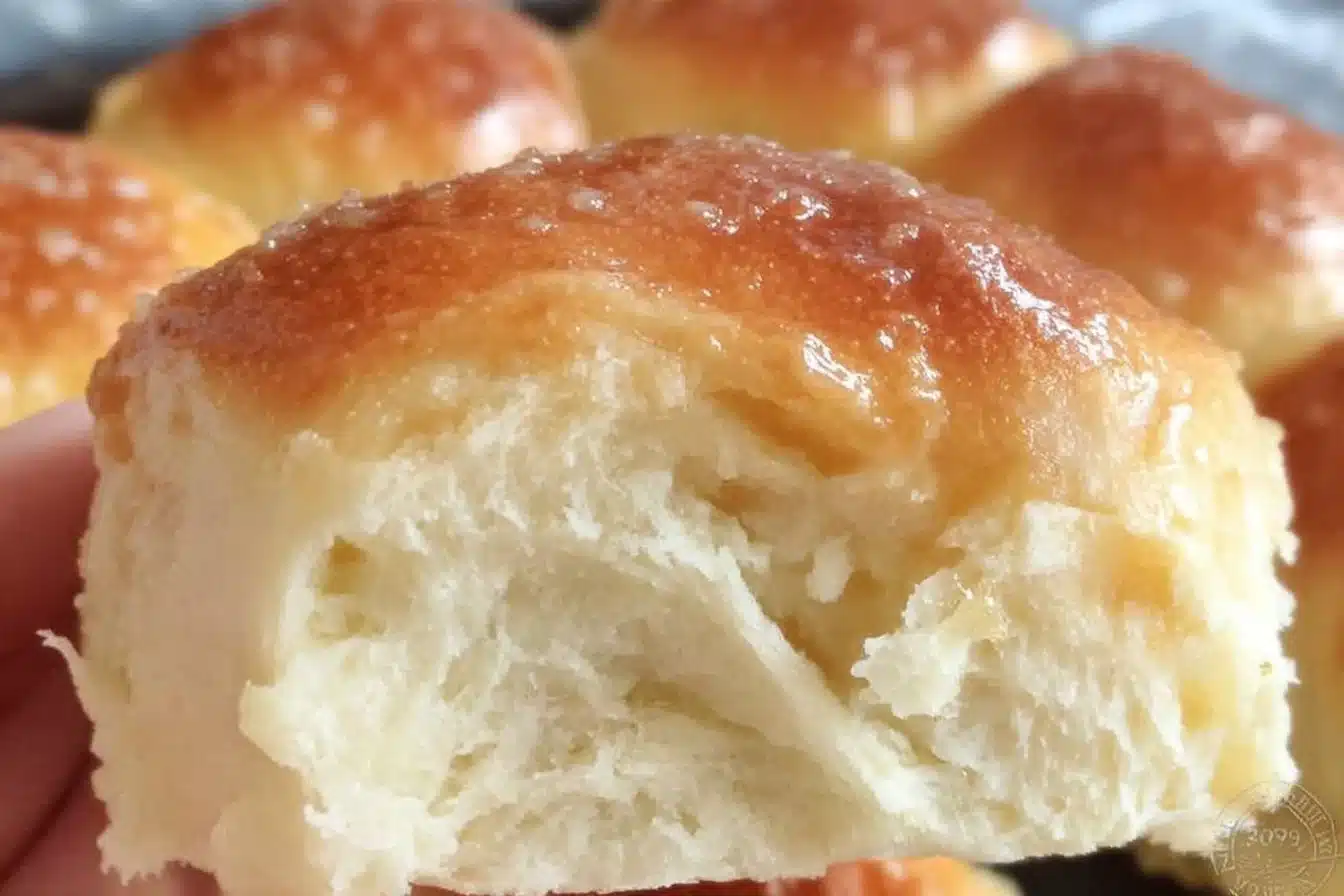
I remember the first time I pulled a tray of Sweet & Buttery Hawaiian Rolls from the oven; the kitchen smelled like molasses and warm butter, and the Pacific fog pressed softly against the windows. Sweet & Buttery Hawaiian Rolls felt like a small, golden miracle — light and pillowy, yet rich and slightly tangy, and they made everyone at my table slow down and smile. I stood there with a tea towel around my hands, listening to the quiet crackle of the crust, and I understood why these rolls travel from holiday tables to weeknight suppers with effortless grace.
Flavor and Popularity
The Unique Flavor Profile of Sweet & Buttery Hawaiian Rolls
Sweet & Buttery Hawaiian Rolls balance bright sweetness, soft crumb, and a hint of tropical tang, and that combination defines their charm. The dough often includes pineapple juice or mashed pineapple for subtle acidity, while brown sugar or honey adds a warm sweetness. Butter contributes a glossy, tender crumb, and sometimes a whisper of vanilla or eggs deepens the flavor further. Because the rolls bake with a slightly golden crust and an interior that yields to the slightest press, every bite offers contrast: an outer gloss that gives way to a pillowy, moist center.
These rolls also carry an almost buttery umami when you brush them with melted butter after baking, and when you fold in herbs or grated cheese, they transform into savory-sweet stars suitable for sandwiches, sliders, or a comforting side. People love them because they feel both indulgent and homey; they work beautifully with roasted meats, spicy barbecues, and bright salads. Moreover, the rolls travel well to potlucks and withstand a day on the counter while still tasting remarkably fresh.
Why This Recipe Is a Family Favorite and Crowd-Pleaser
I grew up watching neighbors and relatives bring trays of these rolls to community dinners, and I learned they connect people. Families favor them because they please picky eaters and adventurous eaters alike. Kids love the sweet softness, while adults admire the complex buttery layers. This recipe simplifies the process without sacrificing depth: it uses pantry-friendly ingredients, embraces a forgiving dough, and relies on a dependable rise rather than perfect technique. As a result, you can make dozens of rolls that look bakery-made, yet they carry the warmth of a home kitchen.
Ingredients and Preparation
Essential Ingredients and Possible Substitutions
To make Sweet & Buttery Hawaiian Rolls, gather these essentials:
- All-purpose flour: provides structure; you may use 10–20% bread flour for a chewier crumb.
- Granulated sugar and light brown sugar: for sweetness and moisture; substitute honey or maple syrup for a different floral note.
- Active dry yeast: for rise; instant yeast works too, but reduce proofing time slightly.
- Pineapple juice or mashed pineapple: for the signature tropical tang; if unavailable, use orange juice plus 1 teaspoon lemon for acidity.
- Whole milk: adds richness; you can use buttermilk for a tangy lift or a non-dairy milk plus a teaspoon of lemon if dairy-free.
- Unsalted butter: for tenderness and flavor; use vegan butter to make a dairy-free version.
- Eggs: contribute color and structure; substitute an extra 1/4 cup of milk plus 1 tablespoon of oil per egg in a pinch.
- Salt: balances sweetness and strengthens gluten.
Optional add-ins and topping ideas:
- Melted butter with sea salt for brushing
- Honey-butter glaze for sheen and extra sweetness
- Fresh herbs (thyme, rosemary) or shredded cheddar for savory variations
- A sprinkle of flaky sea salt or sesame seeds on top
When substituting, keep proportions consistent to maintain dough hydration. For example, swap liquid sugar like honey at about 3/4 the weight of granulated sugar.
Step-by-Step Recipe Instructions with Tips
Prepare your mise en place and follow these steps. Read through the whole recipe first, because timing and warm ingredients matter for a consistent rise.
Warm liquids and activate yeast: Warm 1/2 cup pineapple juice and 1/2 cup milk to about 105–110°F. Stir in 2 1/4 teaspoons active dry yeast and 2 tablespoons brown sugar, and let sit 5–8 minutes until foamy. Tip: If no foam appears, yeast may be old; start again with fresh yeast.
Combine wet ingredients: Whisk 1 egg and 1 yolk with 3 tablespoons melted butter and 2 teaspoons vanilla into the yeast mixture. Also stir in 1/4 cup granulated sugar.
Mix dry ingredients: In a large bowl, combine 3 1/2 to 4 cups all-purpose flour with 1 teaspoon salt. Make a well and pour in the wet mixture.
Form the dough: Stir until a shaggy dough forms, then turn onto a lightly floured surface. Knead for 8–10 minutes until the dough becomes smooth and elastic. Tip: Use a stand mixer with a dough hook for 6–7 minutes on low to medium speed for less effort.
First rise: Place the dough in a lightly oiled bowl, cover with plastic wrap or a clean towel, and let it rise in a warm spot for 60–75 minutes, until doubled. Tip: If your kitchen runs cool, preheat the oven to 200°F for 2 minutes, then turn it off and set the bowl inside to create a cozy proofing environment.
Shape rolls: Punch down the dough gently, then divide it into 12–15 equal pieces. Shape each into a tight ball and place them in a buttered 9×13-inch pan or on a lined baking sheet, spaced slightly apart.
Second rise: Cover the shaped rolls and let them rise again for 30–45 minutes until puffy.
Bake: Preheat the oven to 350°F. Brush the tops with melted butter, and bake for 18–22 minutes until the tops are golden brown and the larger rolls register about 190°F internally.
Finish: Immediately brush the hot rolls with more butter, and let them cool slightly before serving. For a sticky-sweet glaze, mix 2 tablespoons melted butter with 1 tablespoon honey and brush the rolls.
Tips along the way:
- Use room-temperature eggs and warm liquids for a predictable rise.
- Measure flour by weight if possible; too much flour yields dense rolls.
- Knead until the dough passes the windowpane test (if you can stretch a small piece thin and it doesn’t tear, gluten developed well).
- If you want a softer crust, cover the rolls loosely with foil for the last 5 minutes of baking.
Cooking Techniques and Tips
How to Cook Sweet & Buttery Hawaiian Rolls Perfectly
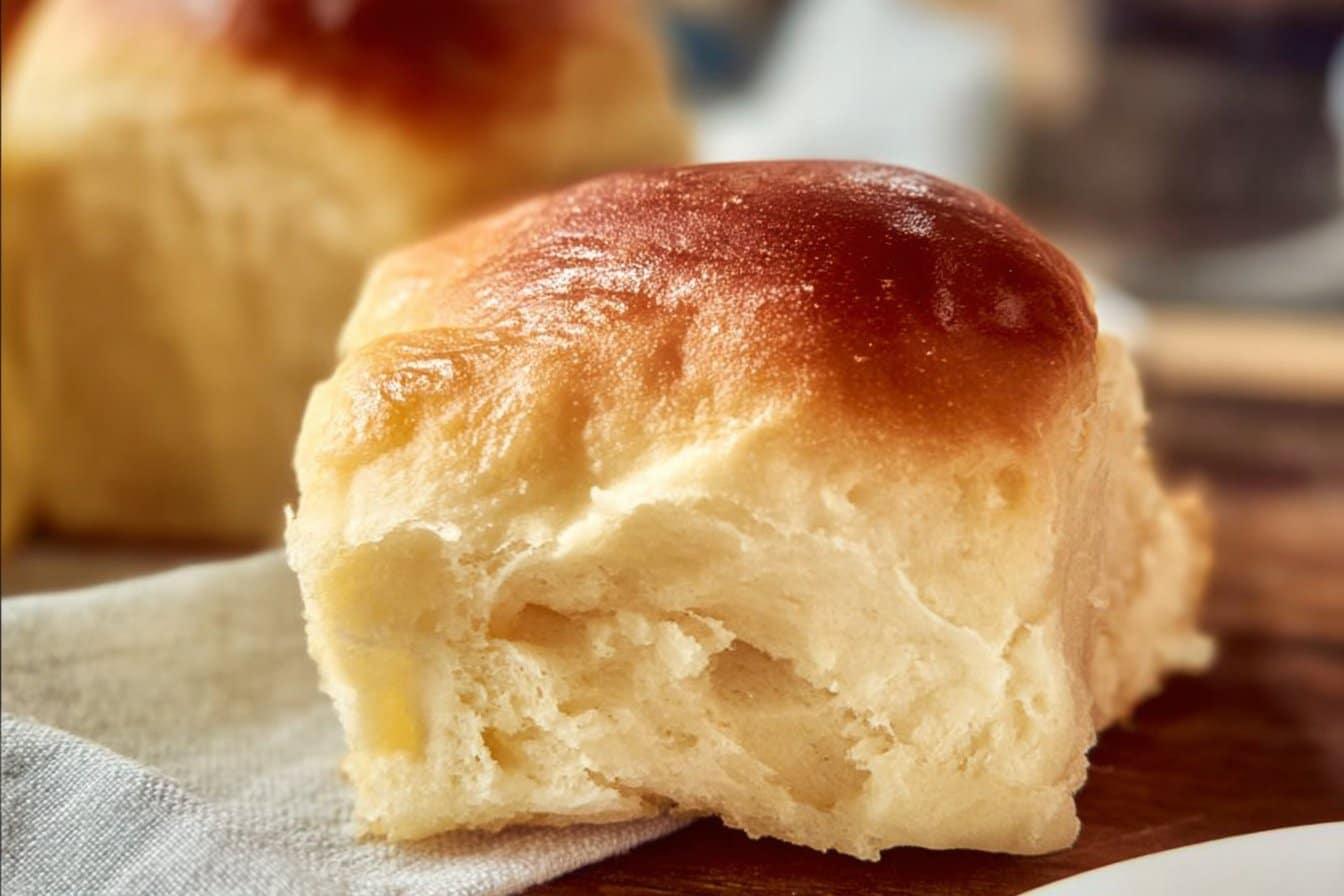
Baking these rolls perfectly requires attention to temperature and timing. First, keep your liquids warm but not hot; yeast thrives at about 105–110°F, and hotter temperatures will kill it. Second, allow adequate first and second rises; a well-proofed roll lifts and yields a delicate crumb. Third, bake at a moderate temperature—350°F warms the center without over-browning the exterior. Finally, baste the tops with melted butter twice: once before baking for a golden finish, and again right after baking for shine and additional flavor.
Use these practical techniques to vary texture and flavor:
- For a richer roll, brush with an egg wash (one beaten egg with a teaspoon of water) before baking; it creates a glossy, firm crust.
- For extra tenderness, substitute 1/4 cup of the flour with mashed potato flakes or instant mashed potato — it retains moisture.
- To introduce savory elements, fold in 1/4 cup finely shredded cheddar or sprinkle herbs between the shaped rolls before the second rise.
Common Mistakes to Avoid
Bakers often make a few predictable errors, and you can avoid them easily. First, don’t add too much flour during kneading; the dough should feel slightly tacky. Second, don’t rush the rises; under-proofed rolls will be dense, while over-proofed ones may collapse. Third, avoid baking at too high a temperature; a scorched exterior and raw center ruin the texture. Fourth, don’t skip the post-bake butter brush — it keeps the crust soft and adds depth. Lastly, use fresh yeast and check expiration dates; flat dough often reflects dead yeast.
Health Benefits and Serving Suggestions
Nutritional Value of Sweet & Buttery Hawaiian Rolls
Sweet & Buttery Hawaiian Rolls deliver calories and comfort rather than a light health halo, yet they also provide nutrients from dairy and eggs. Each roll supplies carbohydrates for energy, a moderate amount of fat from butter and milk, and protein from eggs and milk. You can make them slightly healthier by reducing the sugar, using whole wheat flour for half of the flour, or swapping some butter for olive oil. For an added nutritional boost, serve them alongside vegetables or a leafy salad to balance the meal.
Because pineapple juice supplies vitamin C and natural acids, it also contributes small amounts of micronutrients. However, be mindful if you watch sugar intake; these rolls remain a treat and work best in moderation.
Best Ways to Serve and Pair This Dish
Serve Sweet & Buttery Hawaiian Rolls warm and gently smeared with butter or a honey-butter glaze for breakfast or brunch. They make exceptional slider buns for pulled pork, teriyaki chicken, or roasted veggies, and they pair well with bright, crunchy sides that cut through their richness. For a fall dinner, serve them with roasted turkey or ham, and for a lighter meal, pair the rolls with a crisp salad. For instance, try them with an Easy Fall Harvest Salad that balances roasted sweet potatoes, kale, and a tangy vinaigrette — the contrast feels intentional, and guests notice the harmony.
You can also repurpose leftover rolls into bread pudding, French toast, or a savory strata. Slice them horizontally, fill with cheese and ham, then bake until bubbly for an elevated sandwich. Because the rolls hold fillings without falling apart, they excel in both sweet and savory preparations.
FAQ
What type of mushrooms are best for Sweet & Buttery Hawaiian Rolls?
Although mushrooms don’t belong inside a classic Sweet & Buttery Hawaiian Rolls dough, they work beautifully as a topping or slider filling. Use cremini or baby bella for a mild, earthy flavor, and choose shiitake if you want a more pronounced, savory umami. Sauté them in butter with garlic and thyme, then spoon them onto split rolls for an umami-forward snack.
Can I use dried garlic instead of fresh?
Yes, you can substitute dried garlic for fresh in a pinch, but use it sparingly because dried forms concentrate flavor. For every clove of fresh garlic, use about 1/4 teaspoon granulated garlic or 1/2 teaspoon garlic powder. Also, rehydrate minced dried garlic briefly in warm water to mellow the texture before adding it to soft butter for a spread.
How do I store leftover Sweet & Buttery Hawaiian Rolls?
Store leftover rolls at room temperature in an airtight container or a zip-top bag for up to 2 days to preserve softness. If you expect to keep them longer, refrigerate in an airtight container for 4–5 days, but note refrigeration may slightly dry the crumb; rewarm gently before serving.
Can I freeze Sweet & Buttery Hawaiian Rolls?
Absolutely. Freeze cooled rolls in a single layer on a baking sheet first, then transfer to a freezer-safe bag or container for up to 3 months. Thaw at room temperature, and reheat in a 300°F oven for 10–12 minutes covered with foil, then finish uncovered for 2–3 minutes for a refreshed crust.
Conclusion
If you’re like me, you find joy in small rituals, and baking Sweet & Buttery Hawaiian Rolls feels like one of those quiet, necessary acts. There’s something comforting about watching dough rise, and then slicing into a warm roll that gives back soft, buttery flavor with every bite. Trust me, you’ll want to make this again and again — for holiday tables, for weeknight dinners, and for mornings when the fog rolls in and you need something simple and sincere to share.

Sweet & Buttery Hawaiian Rolls
- Total Time: 90 minutes
- Yield: 12 rolls 1x
- Diet: Vegetarian
Description
These Sweet & Buttery Hawaiian Rolls are light, pillowy, and rich with a hint of tropical tang, perfect for any occasion.
Ingredients
- 3 1/2 to 4 cups all-purpose flour
- 2 1/4 teaspoons active dry yeast
- 1/2 cup pineapple juice
- 1/2 cup whole milk
- 1/4 cup granulated sugar
- 2 tablespoons light brown sugar
- 3 tablespoons unsalted butter, melted
- 1 egg and 1 yolk
- 1 teaspoon vanilla extract
- 1 teaspoon salt
- Melted butter for brushing
- Optional: honey, fresh herbs, or cheese for variations
Instructions
- Warm pineapple juice and milk to about 105–110°F. Stir in yeast and brown sugar, letting it sit until foamy.
- Whisk egg and yolk with melted butter and vanilla into the yeast mixture; stir in granulated sugar.
- Combine flour and salt in a bowl, make a well, and pour in the wet mixture; stir to form a shaggy dough.
- Knead on a floured surface for 8–10 minutes until smooth; let rise in a warm place for 60–75 minutes until doubled.
- Shape the dough into 12–15 rolls, let rise again for 30–45 minutes, then bake at 350°F for 18–22 minutes until golden brown. Brush with melted butter after baking.
Notes
For a richer roll, brush with an egg wash before baking. Keep liquids warm but not hot to avoid killing the yeast.
- Prep Time: 15 minutes
- Cook Time: 22 minutes
- Category: Breads
- Method: Baking
- Cuisine: Hawaiian
Nutrition
- Serving Size: 1 roll
- Calories: 200
- Sugar: 8g
- Sodium: 150mg
- Fat: 8g
- Saturated Fat: 4g
- Unsaturated Fat: 4g
- Trans Fat: 0g
- Carbohydrates: 28g
- Fiber: 1g
- Protein: 4g
- Cholesterol: 30mg
Keywords: Hawaiian rolls, bread, baking, sweet rolls, easy recipe
