
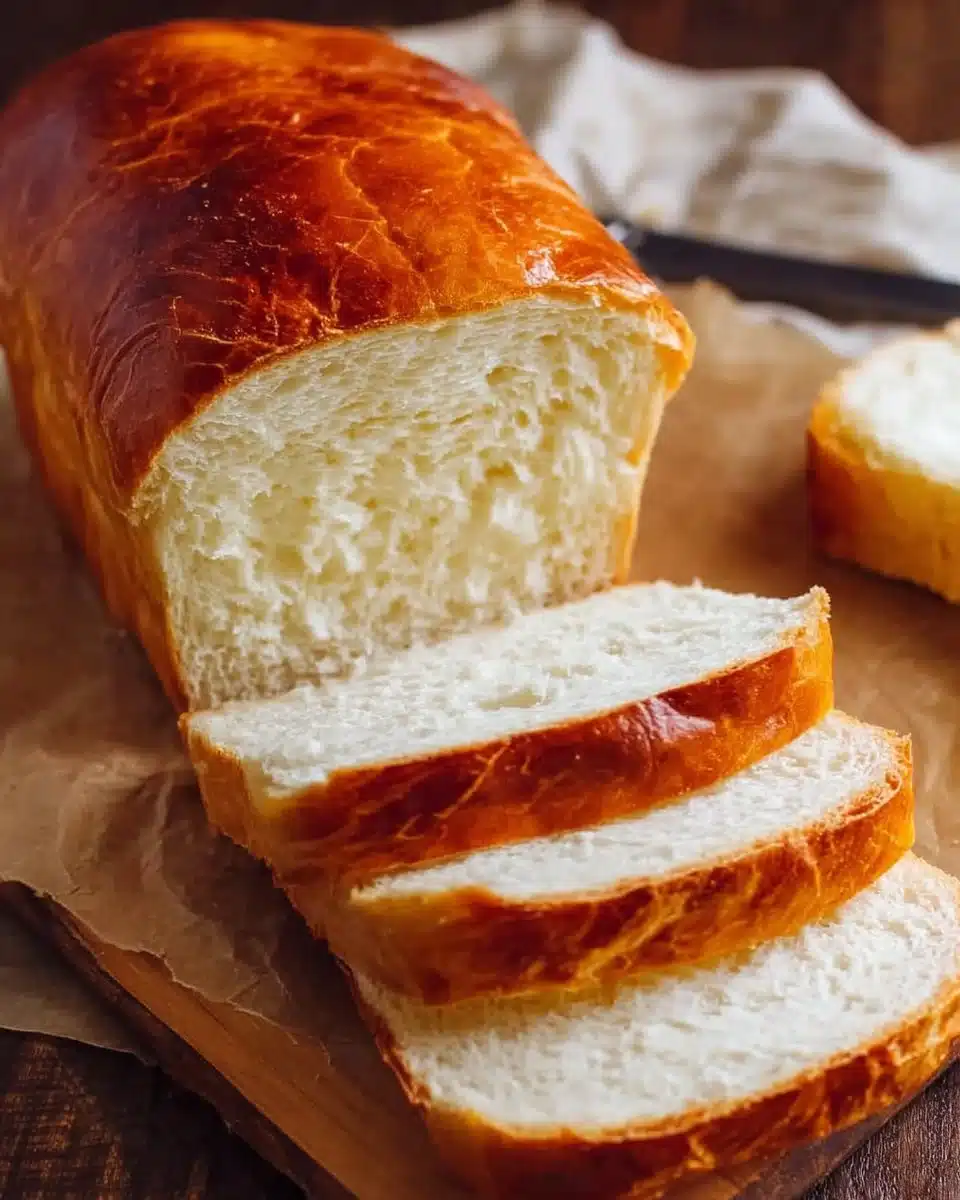
The first time I bit into Amish White Bread I felt transported to a sunlit kitchen where warmth rose from the oven like a gentle promise. I remember the crust giving way to a pillowy, buttery crumb, and immediately I wanted to learn every secret. I grew up watching nonna coax dough into shape, and although my heart belongs to pasta, bread taught me patience and joy in equal measure. When I bake this loaf, the house fills with an earthy, yeasty perfume that tugs memories forward, and I always reach for a sliver while it is still warm. When I want a lighter loaf for breakfast, I sometimes refer to a favorite protein bread adaptation at protein bread egg white bread recipe.
Flavor and Popularity
The Unique Flavor Profile of Amish White Bread
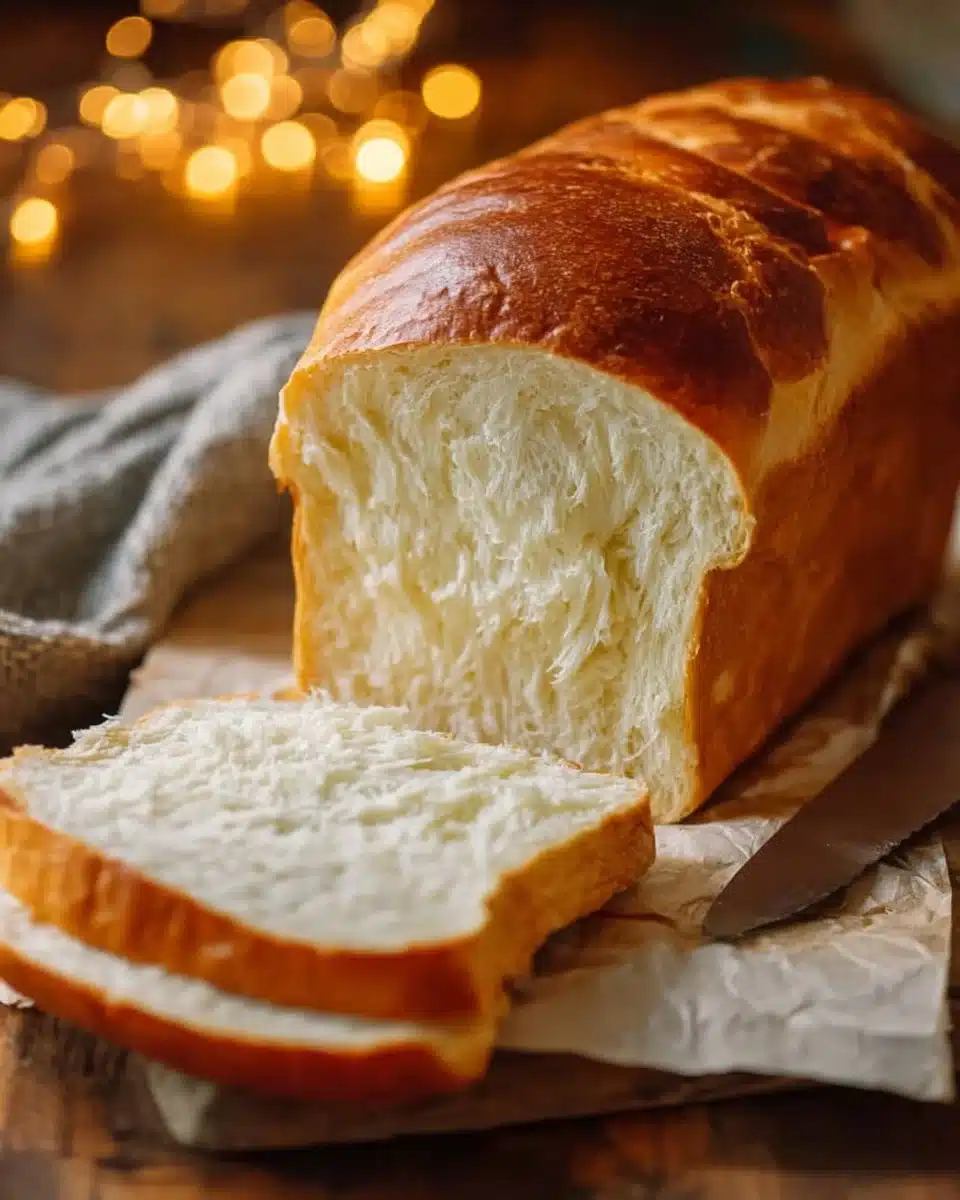
Amish White Bread offers a simple, honest flavor that feels both familiar and comforting. It combines a mildly sweet, buttery crumb with a tender, golden crust. Because the recipe emphasizes high-hydration dough and a gentle knead, the texture becomes soft and springy, while the crust stays thin and delicate. You will notice subtle notes of butter, a faint umami backbone from long fermentation, and an earthy, wheaty character that makes every slice melt in your mouth.
Moreover, the loaf’s restrained sweetness allows it to partner brilliantly with savory elements. Spread with salted butter it sings; paired with sautéed mushrooms or aromatic herbs, it becomes a satisfying side dish that elevates simple meals. People love this bread for its reliability and for how it celebrates everyday ingredients.
Why This Recipe Is a Family Favorite and Crowd-Pleaser
This recipe wins hearts because it balances technique and ease. First, it requires few ingredients and second, it rewards patience. Families and dinner guests appreciate its soft crumb for sandwiches, toast, and bowls of soup. Because the loaf toasts beautifully and absorbs butter and olive oil without falling apart, it plays well at breakfast and as a companion to rich stews.
Furthermore, this bread fits into modern routines: you can shape it the night before, slow-ferment it for deeper flavor, or speed it up for a same-day loaf. Therefore, whether you bake weekly or only for special occasions, this recipe adapts.
Ingredients and Preparation
Essential Ingredients and Possible Substitutions
- Bread flour (or all-purpose flour for a slightly softer crumb) — provides structure.
- Warm water (about 95–105°F / 35–40°C) — activates yeast.
- Active dry yeast (or instant yeast with slight timing adjustments) — for rise.
- Granulated sugar or honey — for a subtle sweet note and yeast food.
- Salt — enhances flavor.
- Unsalted butter, softened — for a buttery, tender crumb.
- Optional: milk or milk powder — enriches tenderness and crust color.
- Optional: a touch of olive oil for extra moistness or a sprinkle of herbs for savory loaves.
Substitutions and notes:
- Use whole milk for a richer loaf, or water for a lighter profile.
- If you need a dairy-free option, substitute butter with neutral oil, although the flavor will shift slightly.
- For a heartier loaf, replace up to 20% of the flour with whole wheat, but expect a denser crumb.
If you prefer a classic soft crumb, this excellent guide to white bread techniques helped me: classic white bread tutorial.
Step-by-Step Recipe Instructions with Tips
Prep time: 25 minutes (active); Rise time: 1–2 hours; Bake time: 30–35 minutes
Ingredients (makes one 9×5-inch loaf)
- 3 1/2 cups (420 g) bread flour
- 1 cup (240 ml) warm water
- 2 1/4 tsp active dry yeast (one packet)
- 2 tbsp granulated sugar or honey
- 1 1/2 tsp salt
- 3 tbsp unsalted butter, softened
- Optional: 2 tbsp milk (for brushing), herbs or seeds to finish
Instructions and tips
- Bloom the yeast: Combine warm water, sugar, and yeast in a bowl; stir lightly and wait 5–10 minutes until foamy. If the yeast does not foam, use fresh yeast.
- Mix the dough: In a large bowl, whisk flour and salt. Add the foamy yeast mixture and the softened butter. Stir until a shaggy dough forms. Use a wooden spoon or a stand mixer with dough hook.
- Knead to strength: Turn dough onto a lightly floured surface and knead for 8–10 minutes until the dough becomes smooth and elastic; if using a mixer, knead 6–7 minutes. Look for a tacky but not sticky texture.
- First rise: Place dough in a greased bowl, cover with a damp towel, and let rise in a warm spot until doubled, about 60–90 minutes. Alternatively, refrigerate overnight for more flavor.
- Shape the loaf: Gently deflate the dough, shape into a tight log, and place it seam-side down into a greased loaf pan. Avoid overhandling to preserve air pockets.
- Second rise: Cover and let rise until the dough reaches about 1 inch above the rim of the pan, roughly 30–45 minutes.
- Preheat and bake: Preheat oven to 375°F (190°C). Brush the loaf with milk or melted butter for a soft, shiny crust. Bake 30–35 minutes until golden brown and hollow-sounding when tapped.
- Cool properly: Remove loaf from pan and cool on a wire rack at least 30 minutes before slicing so the crumb sets.
Baker’s tips
- Use room-temperature ingredients for consistent results.
- Rotate the pan halfway through baking if your oven heats unevenly.
- For an extra buttery flavor, brush the warm loaf with additional butter immediately after it comes out of the oven.
Cooking Techniques and Tips
How to Cook Amish White Bread Perfectly
To bake the perfect Amish White Bread, follow these technique-focused steps:
- Control temperature: Yeast and gluten respond strongly to temperature, so keep water warm but not hot, and proof the dough in a draft-free, mildly warm environment.
- Develop gluten gradually: Knead until the dough stretches without tearing; this ensures an even crumb and good oven spring.
- Timing matters: Give the dough enough time to rise, and do not rush the second rise because an underproofed loaf yields a dense interior.
- Use steam early in the bake: Place a small pan of hot water on the oven floor or spray the oven before loading the loaf to help the crust stay thin and glossy.
- Finish with butter: Brushing the crust with melted butter right after baking gives a soft mouthfeel and a buttery aroma that invites you to slice.
Additionally, feel free to add sautéed garlic or herbs to the dough for savory variations. Herbs offer an aromatic lift, while sautéed mushrooms serve as a flavorful side with the bread.
Common Mistakes to Avoid
- Using too much flour: Too much flour makes the loaf dry; measure by weight when possible.
- Over-proofing: If the dough rises too long, the structure weakens and the loaf collapses in the oven.
- Under-kneading: Insufficient gluten development results in a gummy crumb and little rise.
- Skipping temperature checks: Hot water kills yeast; cold water slows it to frustration. Aim for lukewarm.
- Slicing too soon: Cutting into a hot loaf can smear the crumb; cool for at least 30 minutes.
By avoiding these pitfalls and practicing a few times, you will consistently bake beautiful, tender loaves.
Health Benefits and Serving Suggestions
Nutritional Value of Amish White Bread
Amish White Bread supplies energy through carbohydrates and contributes small amounts of protein and fat from flour and butter. Although not as nutrient-dense as whole grain loaves, it provides quick energy and pairs well with protein-rich toppings to balance meals. To increase fiber and vitamins, consider swapping part of the flour for whole-wheat or adding seeds. Because this bread contains simple ingredients, you control the salt and fat levels to suit dietary needs.
Best Ways to Serve and Pair This Dish
Amish White Bread shines as a versatile companion. Try these serving suggestions:
- Warm with salted butter and a sprinkle of fresh herbs for a simple, elegant starter.
- Toast thick slices and top with avocado and a poached egg for a nourishing breakfast.
- Serve as a side with braised meats or a rich stew; the bread soaks up sauces without falling apart.
- Make classic sandwiches: its soft crumb holds layers of cheese, roasted vegetables, or cured meats.
- Use for French toast: the tender interior absorbs custard beautifully while the thin crust crisps on the griddle.
For an earthy, umami-forward pairing, plate slices with sautéed mushrooms and thyme; the buttery bread complements the mushrooms’ savory depth. Overall, this loaf adapts to sweet spreads and to savory, herb-laden dishes alike.
FAQ Section
What type of mushrooms are best for Amish White Bread?
I recommend cremini or shiitake mushrooms because they offer a deep, earthy flavor that pairs beautifully with the bread’s buttery crumb. Sauté them in butter and a touch of garlic, then serve alongside slices; they bring a rich umami note that transforms a simple loaf into a comforting meal.
Can I use dried garlic instead of fresh?
Yes, you can use dried garlic, and it will add a convenient layer of flavor. However, fresh garlic sautéed briefly in butter yields a brighter, more aromatic profile. If using dried garlic, add it sparingly during mixing so it rehydrates and distributes evenly.
How do I store leftover Amish White Bread?
Store leftover bread at room temperature in a paper bag or a loosely closed bread box for up to two days to maintain a crisp crust and soft crumb. If you need to keep it a little longer, wrap the loaf tightly in plastic wrap and then in a bag; this will keep it soft for about four days, although the crust will soften.
Can I freeze Amish White Bread?
Yes, you can freeze this loaf for longer storage. Slice the cooled bread, wrap portions individually in plastic wrap, and place slices in a freezer bag. Freeze for up to three months; to use, toast slices directly from frozen or thaw at room temperature for about 30–60 minutes.
Conclusion
If you’re like me, you will find that baking Amish White Bread becomes a small ritual that brings calm and pleasure. There’s something comforting about the way simple ingredients transform into a warm loaf that gathers family around the table. Trust me, you’ll want to make this again and again, sharing slices with friends, brushing them with butter, and savoring the quiet satisfaction of homemade bread.
Print
Easy Amish White Bread
- Total Time: 60 minutes
- Yield: 1 loaf (about 12 slices) 1x
- Diet: Vegetarian
Description
A comforting and straightforward recipe for soft, buttery Amish White Bread that’s perfect for toast, sandwiches, or as a side dish.
Ingredients
- 3 1/2 cups (420 g) bread flour
- 1 cup (240 ml) warm water (95–105°F / 35–40°C)
- 2 1/4 tsp active dry yeast (one packet)
- 2 tbsp granulated sugar or honey
- 1 1/2 tsp salt
- 3 tbsp unsalted butter, softened
- Optional: 2 tbsp milk (for brushing), herbs or seeds to finish
Instructions
- Bloom the yeast: Combine warm water, sugar, and yeast in a bowl; stir lightly and wait 5–10 minutes until foamy.
- Mix the dough: In a large bowl, whisk flour and salt. Add the foamy yeast mixture and the softened butter. Stir until a shaggy dough forms.
- Knead to strength: Turn dough onto a lightly floured surface and knead for 8–10 minutes until smooth and elastic.
- First rise: Place dough in a greased bowl, cover with a damp towel, and let rise in a warm spot until doubled (about 60–90 minutes).
- Shape the loaf: Gently deflate the dough, shape into a log, and place seam-side down in a greased loaf pan.
- Second rise: Cover and let rise until about 1 inch above the rim of the pan (roughly 30–45 minutes).
- Preheat and bake: Preheat oven to 375°F (190°C). Brush the loaf with milk or melted butter. Bake for 30–35 minutes until golden brown.
- Cool properly: Remove loaf from pan and cool on a wire rack for at least 30 minutes before slicing.
Notes
For extra buttery flavor, brush the warm loaf with more melted butter after it comes out of the oven.
- Prep Time: 25 minutes
- Cook Time: 35 minutes
- Category: Bread
- Method: Baking
- Cuisine: American
Nutrition
- Serving Size: 1 slice
- Calories: 150
- Sugar: 2g
- Sodium: 300mg
- Fat: 5g
- Saturated Fat: 3g
- Unsaturated Fat: 2g
- Trans Fat: 0g
- Carbohydrates: 23g
- Fiber: 1g
- Protein: 4g
- Cholesterol: 15mg
Keywords: bread, Amish white bread, homemade bread, easy recipe, baking
