
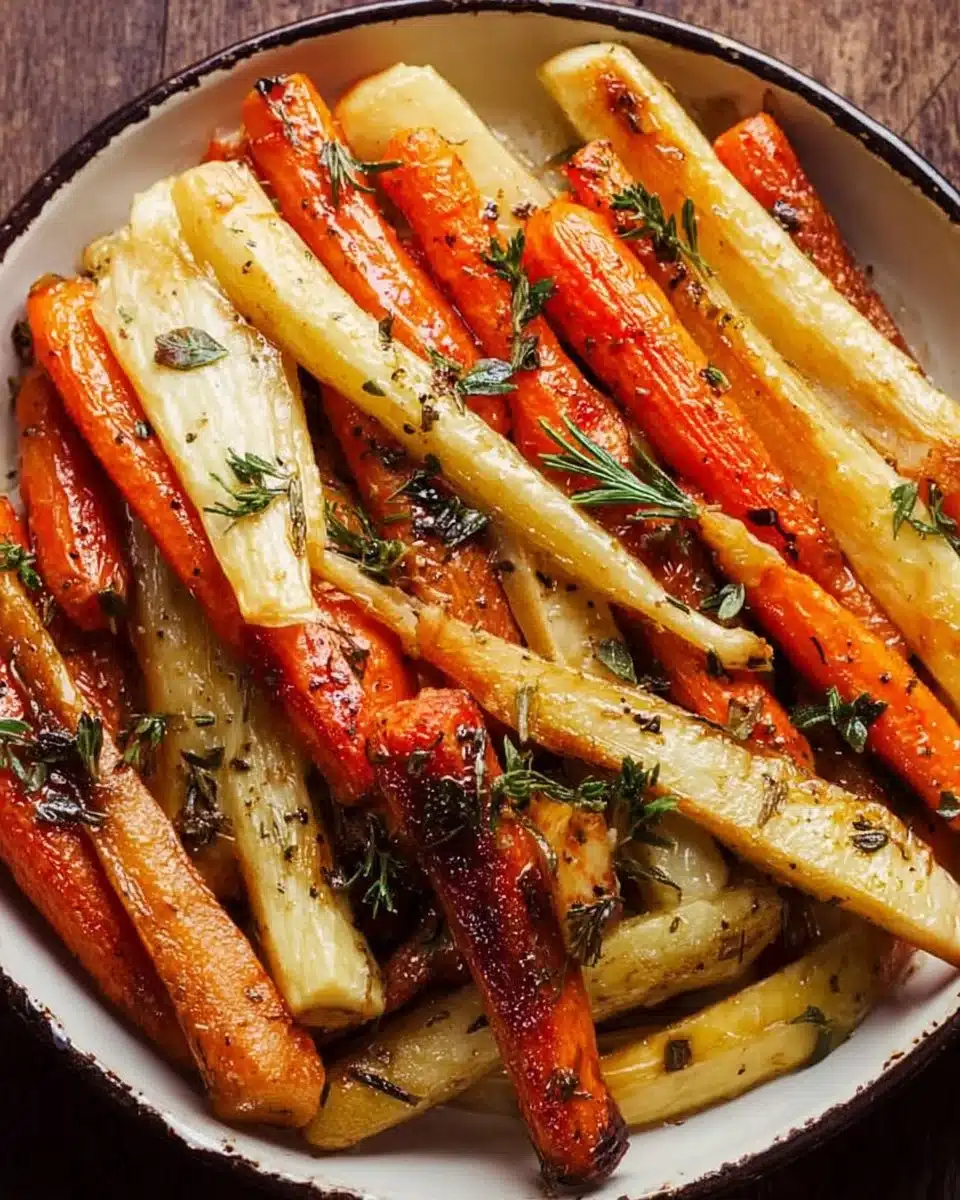
I still remember the first time I roasted a pan of Roasted Honey Glazed Carrots & Parsnips for a family dinner: the kitchen smelled like autumn and the ocean at once, sweet and salty mingling in the warm, sticky air. I slid the sheet pan into the oven while my sourdough bubbled on the counter, and as the glaze caramelized I felt that familiar little thrill—like when a loaf finally opens its ear. That evening I also bookmarked a different twist on roasted roots, a maple-mustard roasted carrots recipe I’d seen, but my heart kept returning to this honeyed, earthy version I now make whenever I want a side dish that feels like a hug.
Flavor and Popularity
The Unique Flavor Profile of Roasted Honey Glazed Carrots & Parsnips
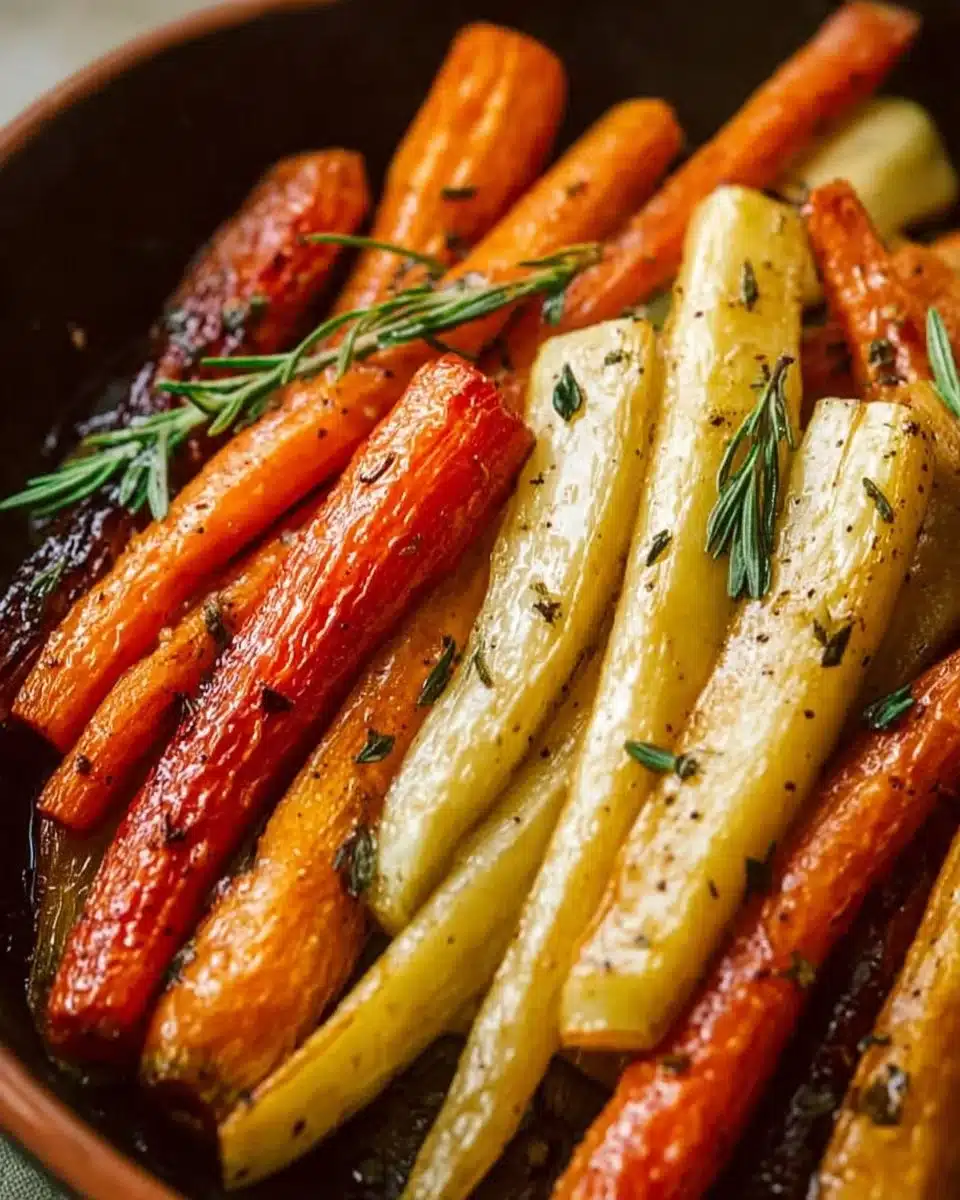
Roasted Honey Glazed Carrots & Parsnips hit a lovely balance between sweet, savory, and earthy notes. Carrots bring a bright, naturally sugary flavor while parsnips add a nutty, slightly spicy depth. When you roast them, they caramelize at the edges, giving you browned, buttery bites that contrast with tender centers. A simple honey glaze sears into those caramelized edges, creating a glossy coating that tastes both floral and rich. Meanwhile, a splash of lemon or apple cider vinegar brightens the whole dish so it never reads too sweet. Add a scattering of fresh herbs—thyme, rosemary, or parsley—and you introduce green, aromatic layers that finish the dish with freshness.
Because of that layered flavor, this recipe also plays with texture. The outside crisps and the inside yields; therefore every forkful feels like comfort and surprise at once. Moreover, small additions—cracked pepper, toasted nuts, or a sprinkle of flaky salt—lift the flavors into something you’ll remember.
Why This Recipe Is a Family Favorite and Crowd-Pleaser
This Roasted Honey Glazed Carrots & Parsnips recipe works on weeknights and holidays alike. People enjoy the dish because it’s familiar yet elevated, rustic yet elegant. Kids love the natural sweetness, adults appreciate the caramelized depth, and guests often ask for the recipe. I serve it alongside roast chicken or a buttery fish, and it stands up to bold mains while never stealing the show. In fact, when I bring this to potlucks, it disappears first. Families prefer it because you can prep ahead, roast while you relax, and the aroma makes the whole house feel cozy and cared for.
Ingredients and Preparation
Essential Ingredients and Possible Substitutions
- Carrots: Choose medium carrots with firm texture. Baby carrots work too, though cut large carrots into uniform batons for even roasting.
- Parsnips: Look for firm, pale parsnips without soft spots. They roast slightly sweeter than raw, and they lend that earthy, nutty counterpoint.
- Honey: Use a runny, floral honey for best glaze flavor. If you want a deeper note, try buckwheat or wildflower honey.
- Olive oil or melted butter: Olive oil brings a light fruity note, while butter adds a rich, buttery mouthfeel. For the most luxurious finish, use a mix of both.
- Fresh herbs: Thyme and rosemary work beautifully. Add chopped parsley at the end for brightness.
- Acid: Lemon juice or apple cider vinegar brightens the glaze and balances sweetness.
- Salt and pepper: Use kosher salt for better control and freshly cracked black pepper for bite.
- Optional additions: A pinch of ground cumin for warmth, smoked paprika for depth, orange zest for citrus lift, or toasted walnuts for crunch.
Substitutions and tips
- If you need a vegan swap, replace honey with maple syrup or agave; however, honey gives a distinctive floral quality.
- If you lack parsnips, substitute sweet potatoes or rutabagas, though the texture will change slightly.
- For a savory twist, add a splash of soy sauce or miso to the glaze to introduce umami and depth.
Step-by-Step Recipe Instructions with Tips
Preparation
- Preheat your oven to 425°F (220°C). High heat encourages caramelization, so don’t lower it.
- Wash and peel parsnips and carrots. Then cut them into even pieces—about 2-inch batons or 1-inch chunks—so they cook uniformly.
- Toss the cut vegetables in a large bowl with olive oil (or melted butter), salt, and pepper. Make sure every piece gets a light, even coating.
- Whisk together the glaze: 3 tablespoons honey, 1 tablespoon lemon juice or apple cider vinegar, 1 tablespoon olive oil or melted butter, and 1/2 teaspoon Dijon mustard if you want a subtle tang. Add a pinch of crushed red pepper for warmth, if desired.
Roasting - Spread the vegetables on a rimmed baking sheet in a single layer without crowding. Crowding leads to steaming instead of roasting.
- Roast for 20–25 minutes, then remove the pan and toss the vegetables gently to promote even browning.
- Brush or drizzle half the glaze over the vegetables and return the pan to the oven for another 10–12 minutes. The sugars will caramelize and deepen in color.
Finishing - Pull the pan when edges are deeply golden and vegetables feel tender when pierced with a fork.
- Toss the roasted roots with the remaining glaze, add fresh thyme leaves, and finish with a sprinkle of flaky sea salt and a squeeze of lemon if you like bright acidity.
- Serve immediately for the best texture; however, the dish also tastes wonderful at room temperature.
Tips for success - Use a heavy baking sheet or line with parchment for easier cleanup.
- Brown the vegetables rather than just cooking through; you’ll notice a flavor difference when you get that caramelized surface.
- Taste and adjust seasoning at the end. Sometimes a little extra salt or vinegar makes the flavors sing.
Cooking Techniques and Tips
How to Cook Roasted Honey Glazed Carrots & Parsnips Perfectly
Cooking this dish perfectly combines three principles: even sizing, high heat, and staggered glazing. First, cut all vegetables to consistent sizes so they finish together. Next, high heat encourages the Maillard reaction—this browning yields buttery, almost nutty flavors. Finally, apply glaze in two stages: a first coat to begin sweetening and a final coat to caramelize without burning. If you want extra crispness, switch the oven to broil for the last 1–2 minutes while watching closely.
Moreover, you can sauté the vegetables briefly in a skillet before roasting to render extra sweetness; however, skip that step unless you need a shortcut. Also, if you prefer a silkier glaze, reduce the honey slightly in a small saucepan with a splash of vinegar and mustard until it thickens, then toss with the finished roots.
Common Mistakes to Avoid
- Crowding the pan: If you pile the vegetables, they steam and lose crispness. Always spread them in a single layer.
- Adding the glaze too early: Honey burns if exposed to very high heat for too long. Apply part of the glaze mid-roast and finish at the end.
- Cutting uneven pieces: Small bits will overcook while large ones remain underdone.
- Skipping the acid: Without lemon juice or vinegar, the dish can feel cloyingly sweet.
Health Benefits and Serving Suggestions
Nutritional Value of Roasted Honey Glazed Carrots & Parsnips
Roasted Honey Glazed Carrots & Parsnips make a nutritious side. Carrots deliver beta-carotene, vitamin A, and fiber, while parsnips provide vitamin C, folate, and potassium. Roasting concentrates flavors without adding excessive calories, and using olive oil contributes heart-healthy monounsaturated fats. If you use less butter and more olive oil, you keep the dish lighter yet still buttery in mouthfeel. For people tracking sugar, note that the glaze adds natural sugar, so you might reduce honey slightly or swap with less-sweet alternatives.
Beyond vitamins and minerals, the dish supports digestion thanks to fiber, and roasting transforms root vegetables into a comforting, nutrient-dense side that pairs well with proteins, grains, or leafier greens.
Best Ways to Serve and Pair This Dish
Serve these glazed roots with roasted meats—turkey, chicken, pork loin—or pair them with a pan-seared fish. They also work beautifully in meatless meals: fold them into grain bowls with farro, drizzle a little tahini, and add sautéed greens for a complete vegetarian plate. For a holiday table, place them near more robust flavors to provide balance.
If you’d like to finish the spread with a memorable dessert, try a contrasting sticky treat like a burnt honey tart; it echoes the caramelized notes and rounds the meal beautifully. I often recommend pairing the dish with a simple green salad dressed in lemon vinaigrette to cut through the glaze’s sweetness, and if you crave crunch, sprinkle toasted hazelnuts or pistachios on top.
In addition, try these serving ideas:
- Toss leftovers into a warm grain salad with quinoa, chopped herbs, and crumbled goat cheese.
- Use them as a topping for a warm, buttery skillet polenta, adding savory depth.
- Blend roasted roots into a creamy soup base for a silky, comforting starter.
For an approachable holiday menu, I sometimes use this dish as the vegetable alongside a humble roast and then serve a burnt honey-inspired dessert to echo the caramel notes; it never fails to feel cohesive and indulgent. burnt honey pie makes an excellent follow-up that keeps the table harmonious.
FAQ Section
What type of mushrooms are best for Roasted Honey Glazed Carrots & Parsnips?
Choose chestnut or cremini mushrooms if you want an earthy, meaty addition; they hold their shape when roasted and offer umami that complements the honey glaze. Alternatively, shiitakes provide intense flavor, while oyster mushrooms roast quickly and add a silky texture. Clean them gently and toss with the roots so they caramelize together.
Can I use dried garlic instead of fresh?
Yes, you can use a pinch of garlic powder or granulated garlic if fresh cloves aren’t available, though fresh garlic gives brighter flavor when roasted. If you use dried garlic, add it toward the end of cooking or mix it into the glaze to avoid bitterness from overheating.
How do I store leftover Roasted Honey Glazed Carrots & Parsnips?
Cool leftovers to room temperature, then store them in an airtight container in the refrigerator for up to 4 days. Reheat gently in a skillet over medium heat with a splash of olive oil to revive crisp edges, or warm them in the oven at 350°F (175°C) until heated through. Avoid microwaving for long periods because it softens the texture.
Can I freeze Roasted Honey Glazed Carrots & Parsnips?
You can freeze them, but expect some texture change. Flash-freeze the cooled vegetables in a single layer, then transfer to a freezer bag for up to 2 months. Reheat from frozen in a hot oven to help restore some caramelization, though they will lose a bit of firmness.
Conclusion
If you’re like me, you savor dishes that look simple but taste like memory, and there’s something comforting about a tray of Roasted Honey Glazed Carrots & Parsnips emerging from the oven with edges gleaming and herbs scattered on top. Trust me, you’ll want to make this again and again; it dresses up weeknight dinners and anchors holiday spreads alike. Try it once and you’ll see how a little honey, high heat, and good vegetables can feel like a small but meaningful act of care for everyone at your table.
Print
Roasted Honey Glazed Carrots & Parsnips
- Total Time: 50 minutes
- Yield: 4 servings 1x
- Diet: Vegetarian
Description
A comforting side dish featuring roasted carrots and parsnips with a sweet and savory honey glaze.
Ingredients
- 4 medium carrots, peeled and cut into 2-inch batons
- 4 medium parsnips, peeled and cut into 2-inch batons
- 3 tablespoons honey
- 1 tablespoon lemon juice or apple cider vinegar
- 1 tablespoon olive oil or melted butter
- 1/2 teaspoon Dijon mustard (optional)
- Salt and freshly cracked black pepper, to taste
- Fresh thyme leaves, for garnish
- Flaky sea salt, for finishing
Instructions
- Preheat your oven to 425°F (220°C).
- Wash and peel the parsnips and carrots, then cut them into even pieces.
- Toss the cut vegetables in a bowl with olive oil, salt, and pepper.
- In a separate bowl, whisk together the glaze ingredients: honey, lemon juice, olive oil, and Dijon mustard if using.
- Spread the vegetables on a baking sheet in a single layer.
- Roast for 20–25 minutes, remove and toss the vegetables.
- Brush half the glaze over the vegetables and return to the oven for another 10–12 minutes.
- Remove when golden and tender, toss with remaining glaze, thyme, and sprinkle with flaky salt.
- Serve immediately or at room temperature.
Notes
Use a heavy baking sheet for better browning and cleanup. Avoid crowding the pan to prevent steaming.
- Prep Time: 15 minutes
- Cook Time: 35 minutes
- Category: Side Dish
- Method: Roasting
- Cuisine: American
Nutrition
- Serving Size: 1 serving
- Calories: 240
- Sugar: 15g
- Sodium: 200mg
- Fat: 7g
- Saturated Fat: 1g
- Unsaturated Fat: 6g
- Trans Fat: 0g
- Carbohydrates: 40g
- Fiber: 6g
- Protein: 2g
- Cholesterol: 0mg
Keywords: roasted vegetables, honey glazed, carrots, parsnips, side dish
