
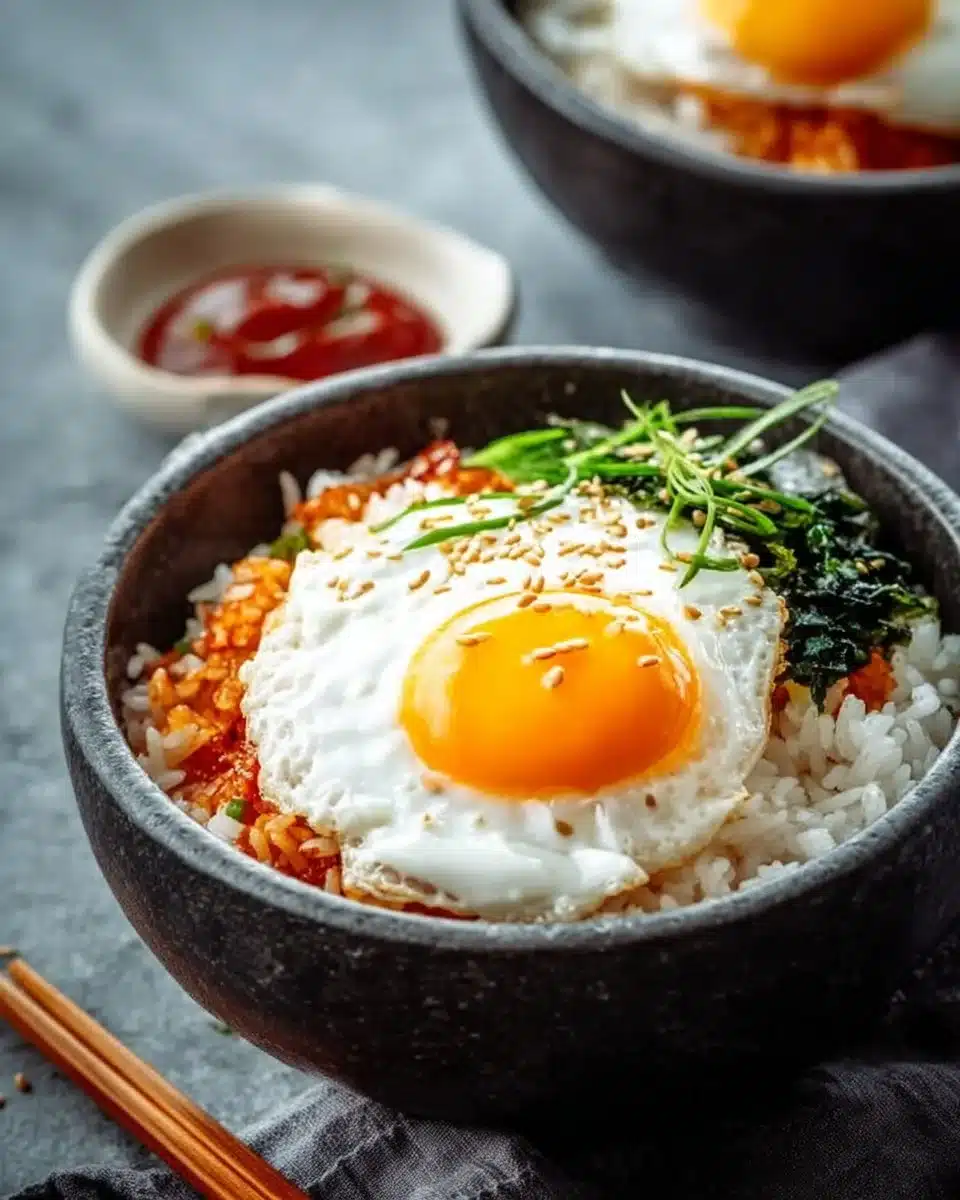
Hi, I’m Marlene Quinn, and the first time I stumbled into a steaming bowl of Delicious Korean Egg Rice I felt like I’d come home. The aroma of toasted sesame and warm, buttery rice wrapped around me, and I remember thinking that a single bowl could hold a whole afternoon’s worth of comfort. Later that week, while shaping sourdough loaves by the window, I kept returning to that simple skillet memory, and I began to recreate the dish in small, joyful experiments. For a speedy companion, I often reach for a different kind of quick morning roll — like these savory sausage egg breakfast rolls — but the Korean egg rice remains my quiet, reliable favorite.
Flavor and Popularity
Delicious Korean Egg Rice sits at a comforting intersection of texture and umami, and it draws crowds because it feels both humble and special. People around me crave its warm, buttery mouthfeel, and they adore the way a runny yolk becomes a glossy sauce. Therefore, cooks who want an easy, high-impact meal keep this recipe on their short list.
The Unique Flavor Profile of Delicious Korean Egg Rice
This dish layers savory, nutty, and slightly sweet notes without fuss. First, you taste the rice’s neutral, pillowy base. Then, sesame oil brings a toasted, aromatic lift. Next, soy sauce adds salty, savory depth, and gochujang or gochugaru — when used — introduces a subtle, earthy heat. In addition, sautéed vegetables and mushrooms bring umami and texture, while a perfectly cooked egg contributes a creamy, buttery richness. Altogether, these elements form a balanced, soulful bowl that invites second helpings.
Why This Recipe Is a Family Favorite and Crowd-Pleaser
Families love this dish because it cooks quickly and adapts easily. For instance, you can make it with leftover rice, and then toss in whatever vegetables you have on hand. Also, picky eaters often accept the familiar comfort of rice and egg, while adventurous diners enjoy the umami boost from soy and sesame. Moreover, the bowl scales from a solitary lunch to a family-style side dish at dinner. Finally, it works for breakfast, lunch, or a midnight snack, which explains its enduring popularity.
Ingredients and Preparation
Essential Ingredients and Possible Substitutions
You need only a handful of pantry staples to make Delicious Korean Egg Rice. Use these essential items:
- Cooked short-grain or medium-grain rice (day-old rice works best)
- Eggs (one per serving)
- Sesame oil (for that nutty finish)
- Soy sauce (or tamari for gluten-free)
- Scallions or green onions, thinly sliced
- Butter (for richness)
- Garlic (fresh preferred)
- Vegetables: carrots, spinach, zucchini, or bean sprouts
- Mushrooms: shiitake or cremini bring earthy depth
- Optional: gochujang or gochugaru for spice, and toasted sesame seeds for garnish
If you lack a specific vegetable, substitute with whatever you have. For example, frozen peas or corn work fine. Also, if you omit butter, increase sesame oil slightly, yet butter adds that creamy, buttery mouthfeel that many crave.
Step-by-Step Recipe Instructions with Tips
Start by preparing all your ingredients, and then follow these steps for a reliable result.
- First, heat a skillet over medium heat and add a small drizzle of sesame oil and a pat of butter. Meanwhile, mince one clove of garlic for each two servings.
- Next, add thinly sliced mushrooms and any firm vegetables (like carrots or zucchini). Sauté until they become tender and slightly caramelized; then season lightly with salt and pepper. Use a wooden spatula to keep the pieces moving.
- Then, push the vegetables to the skillet’s edge, add a touch more butter, and crack in one egg per serving. Immediately lower the heat and cover the pan so the whites set while the yolk stays runny. For a fully set yolk, cook a bit longer uncovered.
- Meanwhile, in a separate bowl, toss warm rice with a small spoon of sesame oil and a splash of soy sauce; mix until each grain looks glossy. If you use day-old rice, briefly microwave it to loosen the grains.
- After the eggs reach your preferred doneness, combine the rice and sautéed vegetables in the skillet. Stir gently; then make a shallow well and nestle the eggs back on top. Finally, garnish with sliced scallions and a sprinkle of toasted sesame seeds. Adjust seasoning with more soy sauce or a dab of gochujang for spice.
Tip: Use a well-seasoned skillet or nonstick pan for easy egg removal. Also, work quickly so the rice warms through without sticking. For a creamier texture, finish with a small knob of butter while tossing.
Cooking Techniques and Tips
How to Cook Delicious Korean Egg Rice Perfectly
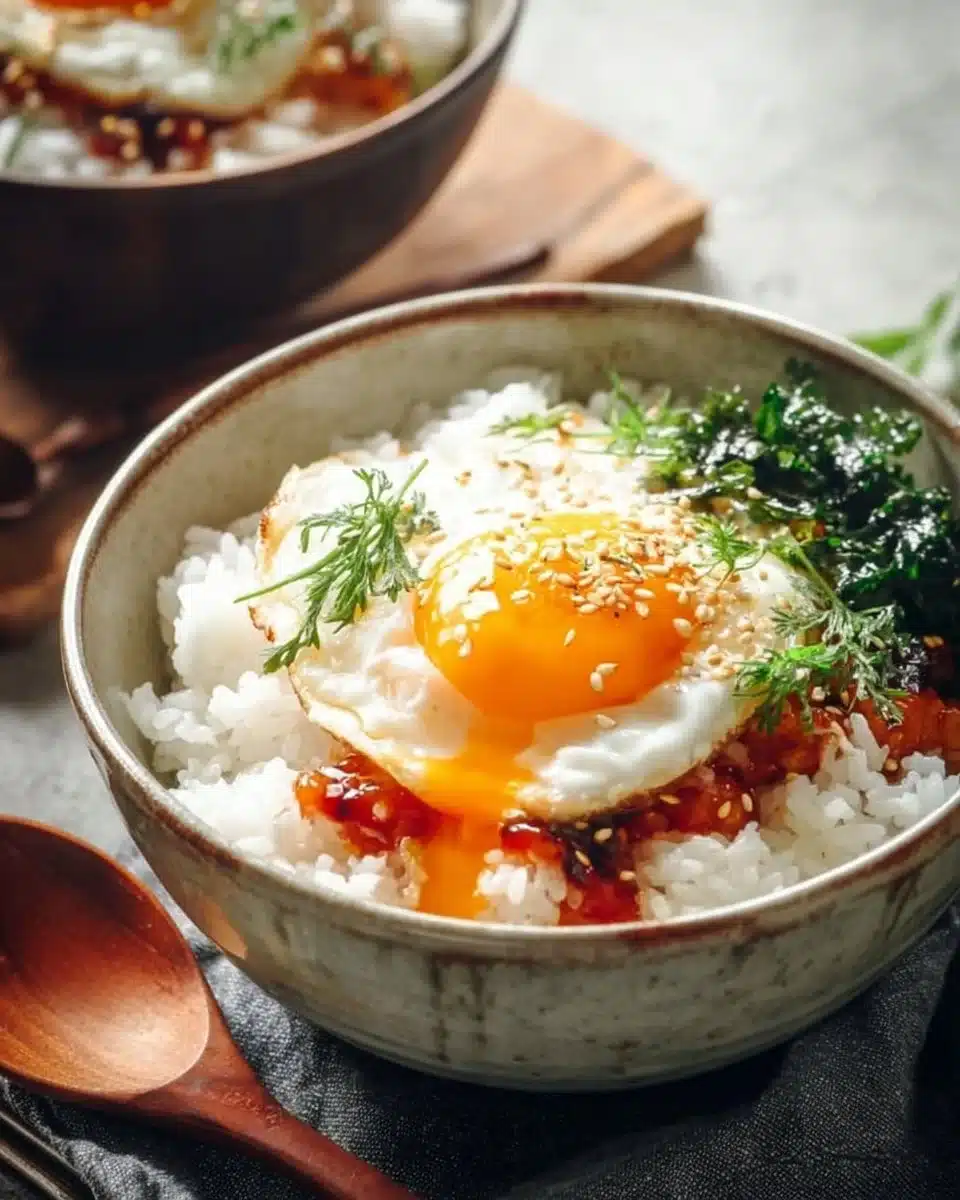
To achieve a perfect bowl, you must balance heat and timing. First, use medium heat to avoid burning the sesame oil. Then, cook vegetables until they release their moisture and begin to brown. Also, place eggs in a warm pan and cover to gently steam the tops while keeping yolks runny. Next, fold rice into the vegetables and let it sit for a moment so the bottom gets a slight crisp, which many find irresistible. Finally, serve immediately so the egg yolk blends into the rice like a silky sauce.
Additionally, consider these technique-focused tips:
- Use day-old rice for the best texture; fresh rice tends to clump.
- Toast sesame seeds in a dry pan for 1–2 minutes to enhance their flavor.
- For extra umami, sauté a small spoonful of finely chopped shiitake stems with the vegetables.
- For a smoky note, briefly char scallions over an open flame or in a hot pan before garnishing.
Common Mistakes to Avoid
Even simple dishes can stutter if you make a few small mistakes. Avoid these pitfalls:
- Overcrowding the pan: overcrowding prevents proper browning and creates steam. Cook in batches if necessary.
- Skipping the rest for day-old rice: trying to force fresh, clumpy rice into this dish will give you a gluey texture. Spread fresh rice on a tray and chill, or microwave briefly.
- Cooking eggs on too-high heat: high heat gives rubbery whites and overcooked yolks. Instead, use medium-low heat and cover to steam.
- Using too much soy sauce: add it in small increments; you can always add more, but you can’t remove excess salt once it’s in.
When you learn to avoid these mistakes, the dish becomes effortless and reliably delicious.
Health Benefits and Serving Suggestions
Nutritional Value of Delicious Korean Egg Rice
This bowl offers a balanced mix of carbohydrates, protein, and healthy fats. Rice provides energy-rich carbohydrates; eggs supply complete protein and essential vitamins like B12; sesame oil contributes heart-healthy unsaturated fats and antioxidants; and the vegetables add fiber, vitamins, and minerals. When you add mushrooms, you gain extra umami plus beneficial nutrients such as vitamin D precursors and selenium. Therefore, the dish suits many dietary preferences, and you can easily lighten it by reducing butter or using brown rice.
Moreover, this recipe allows for protein variations. For instance, add sliced tofu or shredded chicken for a heartier meal. Also, you can swap in cauliflower rice for a lower-carb version while retaining much of the dish’s character.
Best Ways to Serve and Pair This Dish
Serve Delicious Korean Egg Rice as a main course or side dish. For a complete meal, add a simple leafy salad dressed with rice vinegar and sesame oil. For a family dinner, serve alongside grilled fish or a quick kimchi salad. If you want to end on a sweet note, pair the savory bowl with a warm dessert, and consider something homey like a slice of classic homemade apple pie for company.
In addition, this rice works well as a base for toppings: crispy seaweed, pickled radish, or a drizzle of chili oil all add contrast. Meanwhile, for a low-effort side during busy weeknights, arrange small bowls of toppings so everyone customizes their own bowl.
FAQ
What type of mushrooms are best for Delicious Korean Egg Rice?
Shiitake and cremini mushrooms provide an earthy, meaty texture that complements the rice and egg. However, oyster or button mushrooms also work well; simply sauté until they brown and release their juices to enhance the dish’s umami.
Can I use dried garlic instead of fresh?
You can, but fresh garlic gives a brighter, more aromatic flavor. If you use dried garlic, rehydrate it briefly or add it earlier in the sauté to bloom the flavor. Also, adjust quantities because dried garlic tends to concentrate in flavor.
How do I store leftover Delicious Korean Egg Rice?
Store leftovers in an airtight container in the refrigerator for up to three days. Cool the rice quickly before sealing to prevent bacterial growth. When reheating, sprinkle a little water over the rice and cover while microwaving or reheat in a skillet over medium heat, stirring gently until warm.
Can I freeze Delicious Korean Egg Rice?
You can freeze the rice and vegetable mixture without the egg for up to two months. Thaw overnight in the refrigerator before reheating. For best texture, cook fresh eggs when you plan to serve, as frozen eggs often turn rubbery after thawing.
Conclusion
If you’re like me, you’ll find that a simple bowl can become a ritual. There’s something comforting about the way warm rice, a runny yolk, and a kiss of sesame oil come together to make an ordinary day feel tender. Trust me, you’ll want to make this again and again, and each time you’ll find a small new way to make it yours.
Print
Delicious Korean Egg Rice
- Total Time: 25 minutes
- Yield: 4 servings 1x
- Diet: Vegetarian
Description
A comforting bowl of Korean Egg Rice with savory, nutty flavors and a runny yolk that creates a glossy sauce.
Ingredients
- 2 cups cooked short-grain or medium-grain rice (day-old works best)
- 4 eggs (1 per serving)
- 2 tablespoons sesame oil
- 2 tablespoons soy sauce (or tamari for gluten-free)
- 4 scallions, thinly sliced
- 2 tablespoons butter
- 2 cloves garlic, minced
- 1 cup mixed vegetables (carrots, spinach, zucchini, or bean sprouts)
- 1 cup shiitake or cremini mushrooms, sliced
- Optional: gochujang or gochugaru for spice, toasted sesame seeds for garnish
Instructions
- Heat a skillet over medium heat and add sesame oil and butter.
- Sauté garlic, mushrooms, and firm vegetables until tender and caramelized; season with salt and pepper.
- Push vegetables to the side, add more butter, and crack in eggs. Cover to cook the eggs until the whites are set but yolks remain runny.
- Toss warm rice with sesame oil and soy sauce until glossy, then combine with sautéed vegetables in the skillet.
- Make shallow wells for the eggs in the rice mixture, then garnish with scallions and sesame seeds. Adjust seasoning to taste.
Notes
Use day-old rice for best texture. Serve with additional toppings like crispy seaweed or pickled radish.
- Prep Time: 10 minutes
- Cook Time: 15 minutes
- Category: Main Course
- Method: Stovetop
- Cuisine: Korean
Nutrition
- Serving Size: 1 serving
- Calories: 410
- Sugar: 2g
- Sodium: 800mg
- Fat: 20g
- Saturated Fat: 6g
- Unsaturated Fat: 10g
- Trans Fat: 0g
- Carbohydrates: 45g
- Fiber: 3g
- Protein: 14g
- Cholesterol: 370mg
Keywords: Korean egg rice, comfort food, quick meals, easy recipes, vegetarian dishes
