
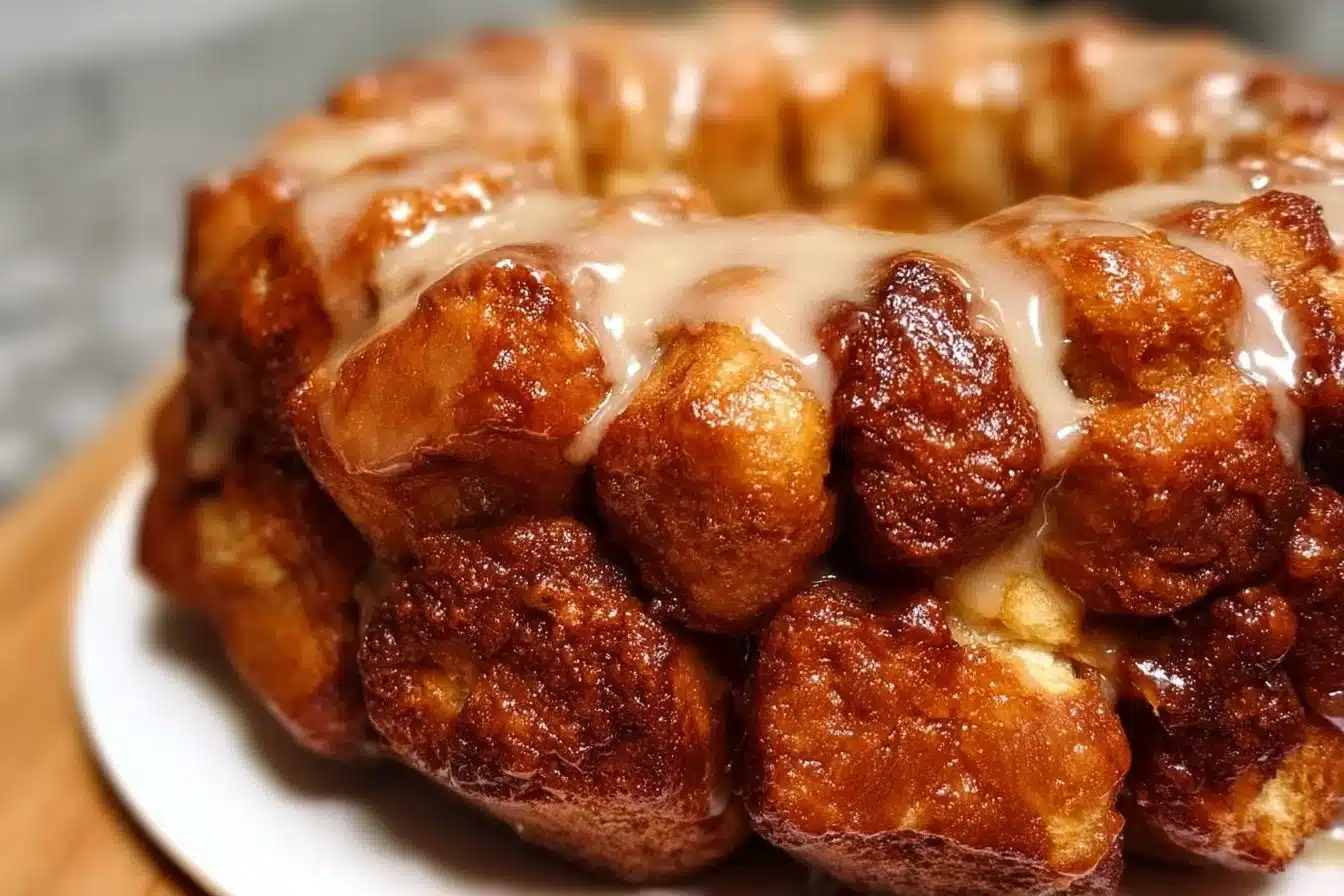
The first time I made Sourdough Monkey Bread, the kitchen smelled like a seaside tavern—buttery garlic, warm herbs, and the faint, tangy breath of my starter. I remember tearing a sticky, mushroom-swirled pull-apart piece and watching steam curl up like fog over the cliffs outside my window. Sourdough Monkey Bread felt immediate and generous, and right then I knew I had a new ritual. If you love rustic sourdough culture as much as I do, you might enjoy comparing different loaves; I often recommend the approachable texture of an Aldi sourdough loaf for quick practice loaves before you commit to shaping this more playful bread.
Flavor and Popularity
The Unique Flavor Profile of Sourdough Monkey Bread
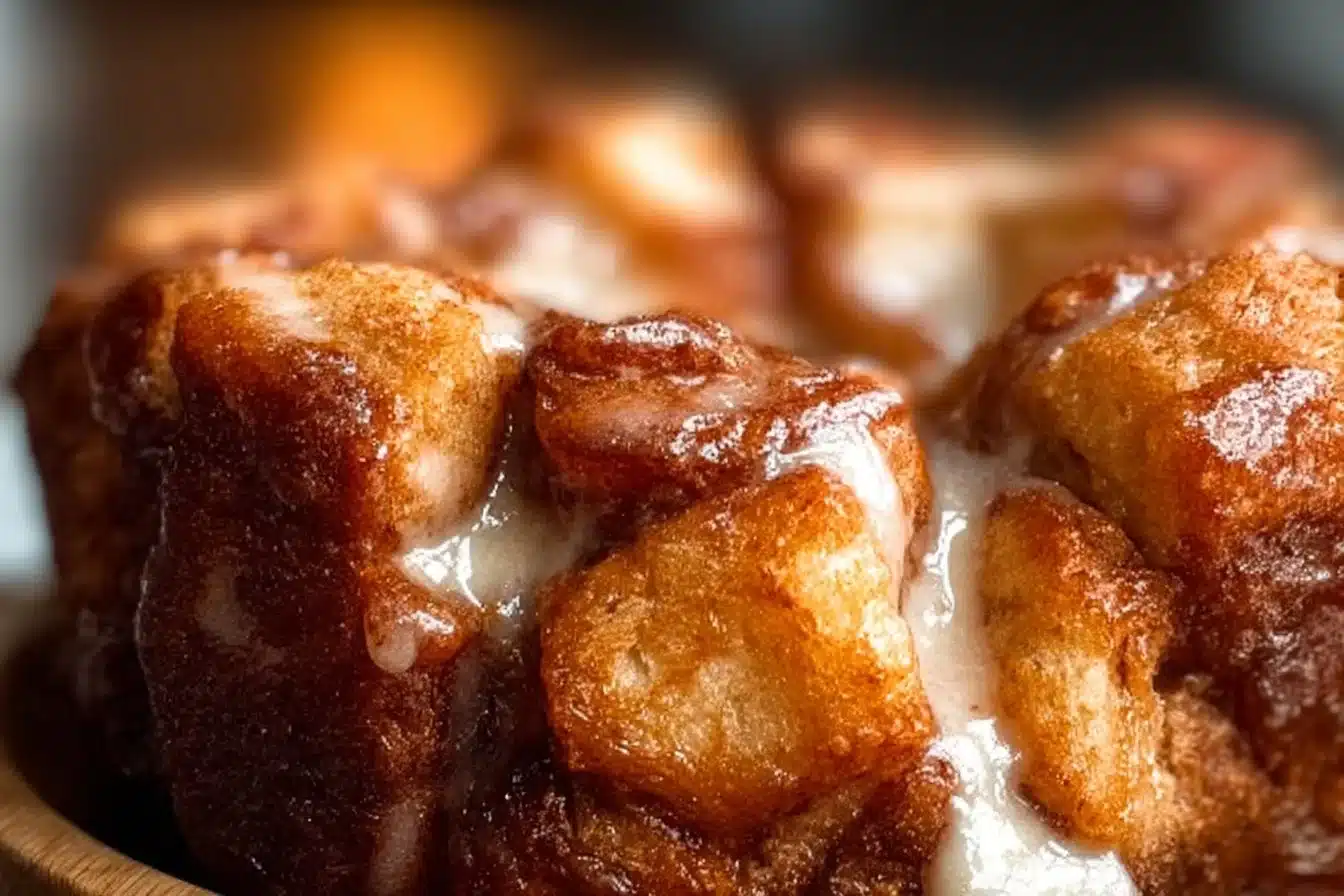
Sourdough Monkey Bread brings a lively balance of tang, butter, and umami that you rarely find in a single pull-apart loaf. Because I use an active, bubbly starter, each bite carries that subtle acidic brightness that only fermented dough delivers. Meanwhile, sautéed mushrooms add deep, earthy notes and a meaty texture, and fresh herbs lift the whole thing so it never feels heavy. The outer pieces become caramelized and slightly crisp, while the inner pieces stay tender and pull apart like warm, savory candy.
Moreover, the combination of buttery brown butter glaze with a hint of garlic creates a layered flavor profile. The sweetness that sometimes appears in classic monkey bread recipes turns savory here. As a result, this version works beautifully as a centerpiece side dish or even a casual main when you want something communal and comforting.
Why This Recipe Is a Family Favorite and Crowd-Pleaser
This recipe earned its place at my table because it asks for little pretension and returns big rewards. Guests love the interactive experience: they pull apart chunks, dip them into runny yolks, or tear pieces into stews. Children adore the tactile nature, and adults appreciate the sophisticated tang from the starter.
Also, because you can adapt the fillings—swap mushrooms for caramelized onions, add sharp cheese, or toss in roasted garlic—you keep every gathering interesting. For those who care about sourcing and provenance, I sometimes talk about local bakeries and favorites when teaching friends to culture their own starter, and in case you’re curious, I’ve noted the reputation of the best sourdough bread Toronto has to offer when recommending places to sample crusts and crumb structures.
Ingredients and Preparation
Essential Ingredients and Possible Substitutions
- Active sourdough starter (100g fed within 4–8 hours). Use a lively starter so the dough proves reliably.
- All-purpose flour (450g) or a blend of 350g all-purpose + 100g bread flour for more chew.
- Warm water (250–300g), adjust for dough feel.
- Salt (10g), fine sea salt works best.
- Unsalted butter (80g) for the dough + extra for coating; I prefer brown butter for a nutty note.
- Mushrooms (300–400g), cremini or shiitake offer excellent earthy umami; you may use oyster mushrooms for a softer texture.
- Fresh garlic (3–4 cloves) for sautéing; you can substitute with 1 tsp dried garlic granules but fresh tastes brighter.
- Fresh herbs: thyme and parsley finely chopped; you may try rosemary but use sparingly to avoid overpowering.
- Grated cheese (optional): Gruyère or Parmesan adds depth.
- Olive oil for sautéing and brushing.
Substitutions and notes:
- For a dairy-free version, substitute butter with a high-quality olive oil and finish with an herb oil.
- If you want a heartier whole-grain version, replace up to 100g of flour with whole-wheat but increase hydration slightly.
- For a softer, more brioche-like crumb, add a single egg to the dough and reduce water by 20g.
Step-by-Step Recipe Instructions with Tips
Mix and autolyse:
- In a large bowl, combine the flour and most of the water. Mix until no dry streaks remain; the dough will look shaggy. Cover and rest 30 minutes. This autolyse helps gluten develop without overworking and improves flavor.
Add starter and salt:
- After the rest, add the fed starter and salt with the remaining water. Mix thoroughly until the dough becomes cohesive. Turn the dough onto a floured surface and perform a few gentle stretch-and-folds until it feels elastic. Place back in the bowl, cover, and let bulk ferment 3–4 hours at room temperature with stretch-and-folds every 30 minutes for the first 2 hours.
Prepare the mushroom filling:
- While the dough ferments, heat a skillet over medium-high heat. Add a splash of olive oil and a knob of butter. Sauté sliced mushrooms in a single layer without overcrowding so they brown. Add chopped garlic, thyme, salt, and pepper. Cook until the mushrooms release moisture and caramelize; finish with a handful of chopped parsley. Set aside to cool. This sautéed, earthy filling brings the umami note that defines this savory monkey bread.
Shape the pieces:
- After bulk fermentation, turn the dough onto a lightly floured surface. Press gently into a rectangle about 1 inch thick. Cut the dough into roughly 1.5–2-inch pieces; you want small balls that will bake into pull-apart nuggets.
Coat and layer:
- Melt butter (or brown butter) and toss the dough pieces lightly so each piece gets a buttery sheen. Then, in a greased bundt pan or deep ovenproof skillet, layer a third of the dough pieces. Sprinkle some of the sautéed mushrooms and a little grated cheese over them. Repeat layers until you use all the dough. Press gently so the pieces nest together but leave pathways for hot air.
Final proof:
- Cover the pan lightly with plastic or a damp towel. Let the assembled loaf proof at room temperature until the dough rises noticeably, about 45–60 minutes. The dough should look puffy but not overproofed.
Bake:
- Preheat the oven to 375°F (190°C). Place the pan on a baking sheet and bake for 35–45 minutes until the top looks bronzed and the internal temperature reads around 200°F (93°C). If the top browns too quickly, tent loosely with foil.
Finish and flip:
- Let the bread rest for 10–15 minutes to settle. Then invert onto a serving plate; the mushroom-scented butter will cascade over the pieces, and the crust will gleam. Serve warm and encourage guests to pull apart pieces right at the table.
Cooking Techniques and Tips
How to Cook Sourdough Monkey Bread Perfectly
Control proofing:
- Because sourdough responds to ambient temperature, proof by feel. When the dough looks airy and springs back slowly, it’s ready. Therefore, avoid rushing the final proof; underproofed dough yields dense centers.
Layer thoughtfully:
- Distribute filling evenly, and resist packing the pan too tightly. Moreover, leaving spaces between pieces promotes even browning and a contrast between crisp exterior and soft interior.
Use brown butter:
- Brown butter adds a toasty, nutty complexity that pairs especially well with earthy mushrooms and fresh thyme. To brown butter, melt the butter over medium heat until it foams and turns a warm amber color; watch closely and remove from heat promptly.
Skillet vs. Bundt:
- A cast-iron skillet yields extra crisp edges for a rustic presentation, while a bundt pan gives the classic monkey bread silhouette. Choose based on the look you want, and remember that a wider pan shortens bake time slightly.
Check doneness:
- Use an instant-read thermometer to confirm the center reaches 200°F. Alternatively, tap the bottom of the loaf—if it sounds hollow, it’s usually baked through.
Common Mistakes to Avoid
Overproofing:
- If you let the dough proof until it collapses, you’ll lose oven spring and texture. Therefore, aim for a puffy, slightly domed appearance rather than a sagging mass.
Overcrowding the pan:
- Jam-packing the pan produces uneven baking and a gummy crumb. Leave some room between pieces for airflow.
Skipping the sauté step:
- While you can add raw mushrooms, sautéing concentrates their flavor and removes excess water. Too much moisture leads to a soggy loaf.
Using a cold starter:
- A sluggish starter won’t give the dough rise you expect. Feed your starter and wait for it to double before incorporating. For timing help, plan your feed so the starter peaks when you begin mixing.
Avoiding these missteps ensures a loaf with a glossy crust, tender pull-apart pieces, and a layered, savory flavor that sings.
Health Benefits and Serving Suggestions
Nutritional Value of Sourdough Monkey Bread
Sourdough fermentation imparts more than flavor; it also helps break down phytic acid and makes certain nutrients more bioavailable. Therefore, you gain improved digestion and nutrient absorption compared with quick breads. Additionally, when you build the recipe with whole-grain flour, you increase fiber, B vitamins, and minerals. The mushrooms contribute vitamin D precursors and a flavorful low-calorie boost. However, note that the buttery coating adds fats and calories, so serve in moderation if you follow a strict calorie plan.
For those watching salt or fat, try an olive oil version and reduce added salt. Also, you can cut the portion size for a lighter side dish, pairing small pieces with soups or salads to balance the meal.
Best Ways to Serve and Pair This Dish
Serve it warm:
- Always serve Sourdough Monkey Bread warm. Then the pieces pull apart easily, and the aromatic butter and mushroom juices melt into pockets of flavor.
Pairings:
- For breakfast or brunch, place a ramekin of soft scrambled eggs or a lemony yogurt dip nearby. For dinner, this monkey bread complements roasted vegetables, braised greens, or a hearty stew. Additionally, a crisp green salad with a bright vinaigrette balances the buttery richness.
Make it shareable:
- Present the loaf on a wooden board and provide small plates so guests can tear pieces and build their own bites. If you want to turn it into a little feast, offer a trio of dips: herb-garlic butter, grainy mustard, and a simple olive oil with lemon zest.
Leftover ideas:
- Reheat gently in a low oven to restore crisp edges, or pull it into chunks and use it for a savory bread pudding with eggs and cream. The sourdough tang will add depth to any repurposed dish.
FAQ Section
What type of mushrooms are best for Sourdough Monkey Bread?
Cremini or baby bella mushrooms deliver a dependable earthy flavor and firm texture that hold up well during sautéing and baking. Alternatively, shiitake adds a pronounced umami note, while oyster mushrooms give you a softer, silkier texture. For the best results, choose mushrooms that look plump and smell fresh; avoid ones showing sliminess. Also, cook them until they brown and most moisture evaporates so they won’t make the dough soggy.
Can I use dried garlic instead of fresh?
You can use dried garlic in a pinch, and it will lend garlicky aroma, but dried granules lack the brightness and immediate punch of fresh garlic. Therefore, when possible, use fresh minced garlic in the sauté to awaken the mushrooms and herbs. If you must use dried, hydrate it briefly in warm water and adjust quantity to taste—start with half the amount and add more if needed.
How do I store leftover Sourdough Monkey Bread?
Cool the loaf completely, then store it in an airtight container at room temperature for up to two days. To keep a slightly crisp exterior, open the container when reheating briefly in a hot oven. If you expect to keep it longer, refrigerate for up to five days, wrapped well to prevent drying; however, refrigeration can firm up the crumb, so reheat before serving to restore softness.
Can I freeze Sourdough Monkey Bread?
Yes; you can freeze the unbaked assembled loaf or the fully baked bread. For unbaked storage, wrap the pan tightly in plastic and foil and freeze for up to three months—thaw overnight in the refrigerator and then bake as directed. For baked bread, cool fully, wrap in plastic, then foil, and freeze up to three months. Reheat in a 300°F oven until warmed through. Freezing preserves flavor remarkably well, so this technique helps you enjoy homemade pull-apart bread on short notice.
Conclusion
If you’re like me, your kitchen becomes a small laboratory where comfortable rituals matter. There’s something comforting about that first pull-apart piece of Sourdough Monkey Bread—warm, buttery, and threaded with herbs and earthy mushrooms—that turns a simple meal into a shared memory. Trust me, you’ll want to make this again and again because it rewards patience with flavor, and because breaking bread together still feels like the most generous kind of alchemy.
Sourdough Monkey Bread
- Total Time: 75 minutes
- Yield: 8 servings 1x
- Diet: Vegetarian
Description
A savory and interactive pull-apart bread featuring sourdough, earthy mushrooms, and a buttery glaze.
Ingredients
- 100g active sourdough starter, fed within 4–8 hours
- 450g all-purpose flour (or 350g all-purpose + 100g bread flour)
- 250–300g warm water
- 10g fine sea salt
- 80g unsalted butter (plus extra for coating)
- 300–400g mushrooms (cremini or shiitake)
- 3–4 cloves fresh garlic
- Fresh thyme and parsley, finely chopped
- Grated cheese (optional: Gruyère or Parmesan)
- Olive oil for sautéing
Instructions
- In a large bowl, combine the flour and most of the water. Mix until there are no dry streaks and let rest for 30 minutes.
- Add the sourdough starter and salt with the remaining water. Mix until cohesive, perform stretch-and-folds, and let bulk ferment for 3–4 hours.
- Heat a skillet and sauté mushrooms in olive oil and butter, adding garlic, thyme, salt, and pepper. Cool the mixture.
- Turn the dough onto a floured surface, shape into a rectangle, and cut into 1.5–2-inch pieces.
- Melt butter, toss dough pieces for an even coat, layer in a greased bundt pan with mushroom mixture, and let proof for 45–60 minutes.
- Preheat oven to 375°F (190°C) and bake for 35–45 minutes until golden brown and internal temperature is around 200°F (93°C).
- Let cool for 10–15 minutes, then invert onto a serving plate and serve warm.
Notes
To make it dairy-free, replace butter with high-quality olive oil. For added richness, consider adding a single egg to the dough.
- Prep Time: 30 minutes
- Cook Time: 45 minutes
- Category: Appetizer
- Method: Baking
- Cuisine: American
Nutrition
- Serving Size: 1 serving
- Calories: 300
- Sugar: 1g
- Sodium: 350mg
- Fat: 14g
- Saturated Fat: 6g
- Unsaturated Fat: 8g
- Trans Fat: 0g
- Carbohydrates: 39g
- Fiber: 3g
- Protein: 10g
- Cholesterol: 20mg
Keywords: sourdough, monkey bread, pull-apart bread, savory bread, easy recipe
