
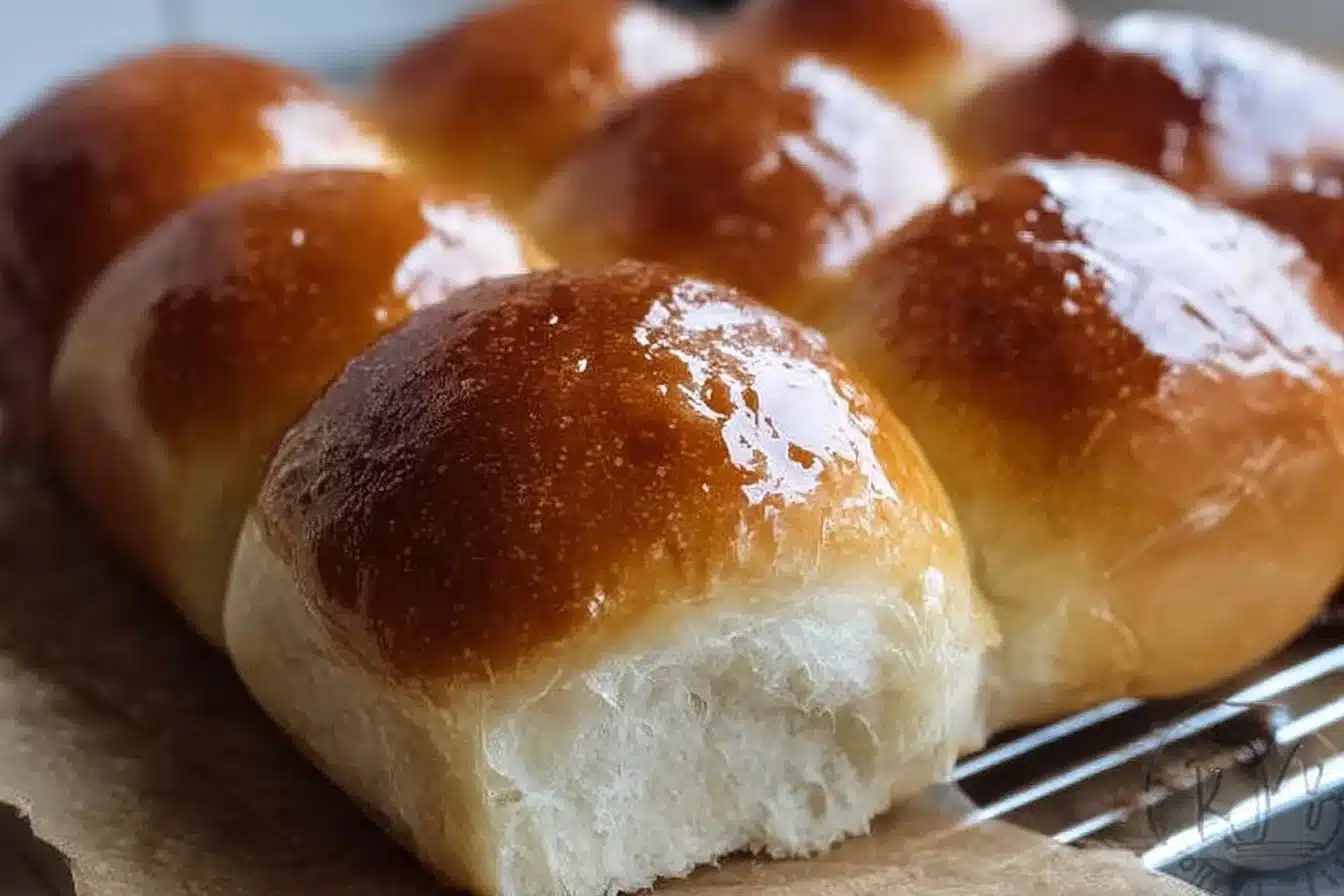
Hi, I still remember the first time I shaped tiny rounds of dough with my hands slick from flour and sea breeze. Sourdough Dinner Rolls sat warm on my grandmother’s table, and I learned quickly how the tang of a lively starter could turn simple flour into something that felt like home. The smell of browned butter and a whisper of rosemary transported me, and since then, I have chased that same tender crumb and golden crust every holiday and quiet Sunday alike.
Flavor and Popularity
The Unique Flavor Profile of Sourdough Dinner Rolls
Sourdough Dinner Rolls stand out because they balance tang and tenderness in a way no other roll quite does. The natural fermentation of the starter brings a gentle acidity that brightens savory dishes, while long fermentation builds complex, earthy, and slightly nutty flavors. Moreover, when you finish the rolls with browned butter and flaky sea salt, they turn buttery and rich, and then the herbs add an herbal lift. Together, these elements create an umami-rich bite that complements everything from roast chicken to a simple bowl of soup.
Meanwhile, texture plays a starring role. A well-made sourdough roll yields a chewy, open crumb inside and a thin, crackly crust outside. Because the dough ferments slowly, enzymes break down starches and proteins, which improves digestibility and deepens flavor. In short, these rolls taste like time well spent.
Why This Recipe Is a Family Favorite and Crowd-Pleaser
This recipe wins hearts because it marries reliability with ritual. First, it lets you build flavor over hours rather than rely on instant tricks. Also, it adapts easily: add rosemary for a holiday table, fold in caramelized shallots for a party, or shape into knots for a communal touch. Families love them because they keep well for a day and reheat beautifully, and guests always reach for one more.
Furthermore, these rolls feel both rustic and elegant. Serve them beside a weekday stew or at a wedding feast, and they will fit right in. Above all, they encourage slowing down: you measure, nurture, and wait—then reward yourself with something tender and soulful.
Ingredients and Preparation
Essential Ingredients and Possible Substitutions
- Active sourdough starter (100% hydration), fed and bubbly — this gives the rolls their signature tang.
- Bread flour — for structure and chew; you can swap half with all-purpose for a softer crumb.
- Water — lukewarm to encourage activity.
- Unsalted butter — melted and browned for brushing; alternatively use olive oil for a dairy-free option.
- Salt — fine sea salt or kosher salt; do not skip it.
- Honey or sugar — a small touch feeds the starter and aids browning.
- Fresh herbs (rosemary, thyme, or sage) — optional, but they lift the rolls beautifully.
If you need a shortcut, consider using a mild commercial sourdough loaf or crumb as a flavor boost; for example, some bakers like using Aldi sourdough bread as a flavor reference when testing hydration and crumb. Also, you can add grated cheese, sautéed mushrooms for an earthy twist, or roasted garlic for a deep, savory note.
Step-by-Step Recipe Instructions with Tips
- Feed your starter 4–12 hours before you plan to mix so it peaks and smells pleasantly tangy. Next, measure 450 g bread flour, 275 g water, 100 g active starter, 10 g salt, and 20 g honey. Mix the flour and water first and autolyse for 30 minutes to hydrate the flour and start gluten development.
- Then add the starter, salt, and honey, and mix until a shaggy dough forms. Use the stretch-and-fold method every 30 minutes for two hours, which strengthens the dough without heavy kneading. Meanwhile, keep the dough covered so it doesn’t dry out.
- After bulk fermentation, gently turn the dough onto a lightly floured surface. Divide and pre-shape into rounds, resting them for 20 minutes. Next, shape into tight rolls by cupping the dough in your palm and spinning it against the counter to create surface tension. Place rolls on a parchment-lined tray, leaving space for expansion.
- Proof the rolls in the refrigerator overnight, which deepens flavor, or proof at room temperature for 2–3 hours until puffy. Preheat your oven to 425°F (220°C) with a baking stone or cast-iron skillet inside; an initial blast of heat gives good oven spring. Brush rolls with a little milk or egg wash if you want a glossy finish, or simply use melted browned butter for flavor and a rustic sheen.
- Bake for 18–22 minutes until golden brown; rotate the tray halfway for even color. Remove and brush immediately with more browned butter and sprinkle with flaky sea salt and chopped herbs. Serve warm.
Cooking Techniques and Tips
How to Cook Sourdough Dinner Rolls Perfectly
Start with a strong dough: use bread flour or add a tablespoon of vital wheat gluten if your flour lacks strength. Next, practice the stretch-and-fold rather than aggressive kneading; it builds structure while preserving the airy crumb. Meanwhile, always allow for a long, slow fermentation when time allows, because it enhances flavor and texture.
When you bake, create steam for the first 8–10 minutes. Place a small cast-iron skillet on the oven floor and pour a cup of hot water into it after sliding the rolls in, or mist the oven with a spray bottle. This simple step keeps crusts thin and crisp. Also, finish with browned butter and herbs to add an inviting aroma and buttery umami.
Common Mistakes to Avoid
- Over-kneading: it tightens the gluten excessively and leads to dense rolls. Instead, switch to stretch-and-fold and be patient.
- Under-hydration: adding too little water makes a heavy crumb. Conversely, too much water can collapse the rolls, so follow the recipe weights for consistent results.
- Rushing fermentation: if you proof insufficiently, the rolls will lack flavor and rise. On the other hand, over-proofing can create overly large air pockets and collapse. Learn to read the dough: it should feel airy and slightly jiggly.
- Skipping steam: without steam, the crust dries too quickly and prevents good oven spring. Therefore, add moisture in the oven for the first minutes of baking.
In my kitchen, I watch the dough like a living thing; it often tells me when it needs warmth, rest, or a gentle hand.
Health Benefits and Serving Suggestions
Nutritional Value of Sourdough Dinner Rolls
Sourdough fermentation changes the nutritional profile of bread. Because natural microbes break down some starches and phytates, sourdough tends to be easier to digest and can increase mineral bioavailability. Additionally, the long fermentation reduces the glycemic index slightly compared to quick-rise breads. While sourdough rolls still contain carbohydrates and calories, they deliver more nuanced flavor with a modest nutritional advantage over non-fermented rolls.
You can boost nutrition further by adding whole grain flours—substitute up to 25–30% whole wheat flour for added fiber and a nuttier taste. Also, mix in seeds like flax, sunflower, or sesame for healthy fats and extra texture.
Best Ways to Serve and Pair This Dish
Sourdough Dinner Rolls pair beautifully with rich, saucy mains because their tang cuts through fat and complements savory flavors. Serve them with roasted lamb, braised short ribs, creamy mushroom ragout, or a citrusy salad. Additionally, they work as sandwich rolls filled with leftover roast, sliced turkey, or a skillet-sautéed mushroom and thyme mixture for an earthy, umami-filled bite.
For a simple course, brush warm rolls with garlic-herb butter and top with grated Parmesan. Meanwhile, if you want a brunch twist, split the roll, toast lightly, and nestle a soft-poached egg and hollandaise inside.
Because presentation matters, arrange the rolls in a cloth-lined basket and tuck in sprigs of rosemary or thyme. Guests always appreciate a thoughtful touch.

FAQ
What type of mushrooms are best for Sourdough Dinner Rolls?
I prefer earthy mushrooms like cremini or shiitake because they hold up when sautéed and provide deep umami. However, you can also use oyster mushrooms for a softer texture or button mushrooms if they’re the only option. Sauté them in butter with a splash of soy sauce or balsamic to amplify flavor before folding into roll fillings or serving alongside.
Can I use dried garlic instead of fresh?
Dried garlic works in a pinch, yet fresh garlic gives a brighter, more vibrant flavor. If you use dried, rehydrate it briefly in warm water and use sparingly as it concentrates. For the best aromatic crust, rub fresh minced garlic into browned butter before brushing the rolls.
How do I store leftover Sourdough Dinner Rolls?
Store cooled rolls in a breathable container or a lightly closed paper bag to keep the crust from getting soggy. You can also wrap them in a clean kitchen towel and keep them at room temperature for up to two days. For longer storage, place them in an airtight container in the refrigerator for up to a week, and reheat gently in a 350°F oven with a splash of water to revive moisture.
Can I freeze Sourdough Dinner Rolls?
Yes—freeze cooled rolls in an airtight freezer bag with parchment between layers to prevent sticking. Freeze for up to three months. When you’re ready, thaw at room temperature and refresh them in a 350°F oven for 8–10 minutes; they’ll taste near freshly baked when brushed with a little butter before serving.
Conclusion
If you’re like me, you bake to remember moments and to make new ones. There’s something comforting about pulling golden Sourdough Dinner Rolls from the oven and watching sleepy faces light up around the table. Trust me, you’ll want to make this again and again because the recipe rewards patience with warmth, flavor, and a little bit of homemade magic. Try it, and then share the second tray—bread tastes better when it travels.

Best Sourdough Dinner Rolls
- Total Time: 262 minutes
- Yield: 12 servings 1x
- Diet: Vegetarian
Description
These Sourdough Dinner Rolls are tender and flavorful, with a perfect balance of tang and chewiness, making them a family favorite for any occasion.
Ingredients
- 450 g bread flour
- 275 g lukewarm water
- 100 g active sourdough starter (100% hydration), fed and bubbly
- 10 g fine sea salt
- 20 g honey or sugar
- Unsalted butter (for brushing)
- Optional: Fresh herbs (rosemary, thyme, or sage)
Instructions
- Feed your starter 4–12 hours before mixing for optimal activity.
- Mix flour and water; let sit for 30 minutes (autolyse).
- Add starter, salt, and honey; mix until a shaggy dough forms.
- Use the stretch-and-fold method every 30 minutes for 2 hours to strengthen the dough.
- Turn dough onto a floured surface, divide, and pre-shape into rounds. Rest for 20 minutes.
- Shape into tight rolls and place on a parchment-lined tray, leaving space between each.
- Proof in the refrigerator overnight or at room temperature for 2–3 hours until puffy.
- Preheat the oven to 425°F (220°C) with a baking stone or cast-iron skillet inside.
- Brush rolls with milk or egg wash for a glossy finish or melted browned butter for flavor.
- Bake for 18–22 minutes until golden brown, rotating halfway for even color.
- Brush with more browned butter and sprinkle with flaky sea salt and chopped herbs immediately after baking. Serve warm.
Notes
For a softer crust, cover the rolls with a clean towel for 10 minutes after baking to trap steam. Consider adding sautéed mushrooms, roasted garlic, or grated cheese for added flavor.
- Prep Time: 240 minutes
- Cook Time: 22 minutes
- Category: Side Dish
- Method: Baking
- Cuisine: American
Nutrition
- Serving Size: 1 roll
- Calories: 130
- Sugar: 3g
- Sodium: 200mg
- Fat: 5g
- Saturated Fat: 3g
- Unsaturated Fat: 2g
- Trans Fat: 0g
- Carbohydrates: 19g
- Fiber: 1g
- Protein: 4g
- Cholesterol: 15mg
Keywords: sourdough, dinner rolls, bread, baking, homemade
