
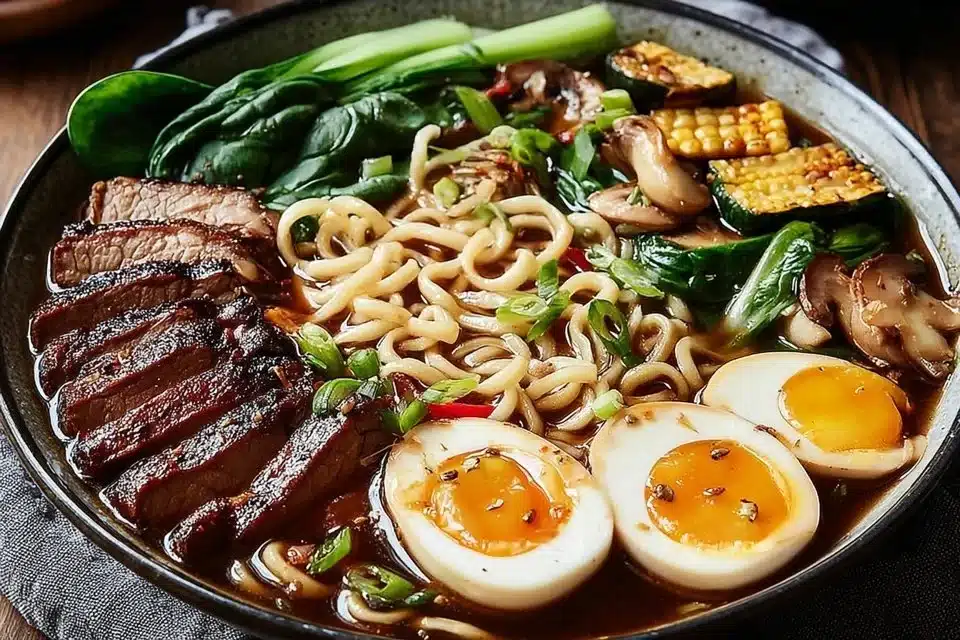
There’s a certain magic that stirs within when I think about my first attempt at making Homemade Ramen. I remember standing in my sunlit kitchen, the morning fog still clinging to the coastline, with the scent of soy sauce and simmering broth wafting through the air.
It was a chilly Saturday afternoon, and the excitement was palpable as I pulled out my well-loved canvas apron. I’d spent countless hours watching chefs on culinary shows effortlessly craft the perfect bowl of ramen, enchanted by the graceful dance of flavors and textures. That day, I wanted to recreate that wonder in my own home.
I remember boiling the noodles to delicate perfection and crafting a rich, savory broth. Every step filled my heart with a sense of purpose. Toppings, sliced scallions, soft-boiled eggs, and a sprinkle of sesame seeds, turned my creation into something divine. Sitting down with that warm bowl cradled in my hands, I felt an overwhelming sense of accomplishment. As I took the first bite, the umami enveloped my senses, and I knew this would be a beloved staple in my cooking repertoire.
Flavor and Popularity
The Unique Flavor Profile of Homemade Ramen
At its core, Homemade Ramen harmonizes rich umami flavors, a delightful combination of salty and savory notes that come together to create a heartwarming experience. The depth of flavor in the broth cannot be overstated; it’s the foundation upon which a comforting bowl is built. Whether you choose a classic pork broth, a vegetarian miso base, or even a spicy tonkotsu, each variety tells a story.
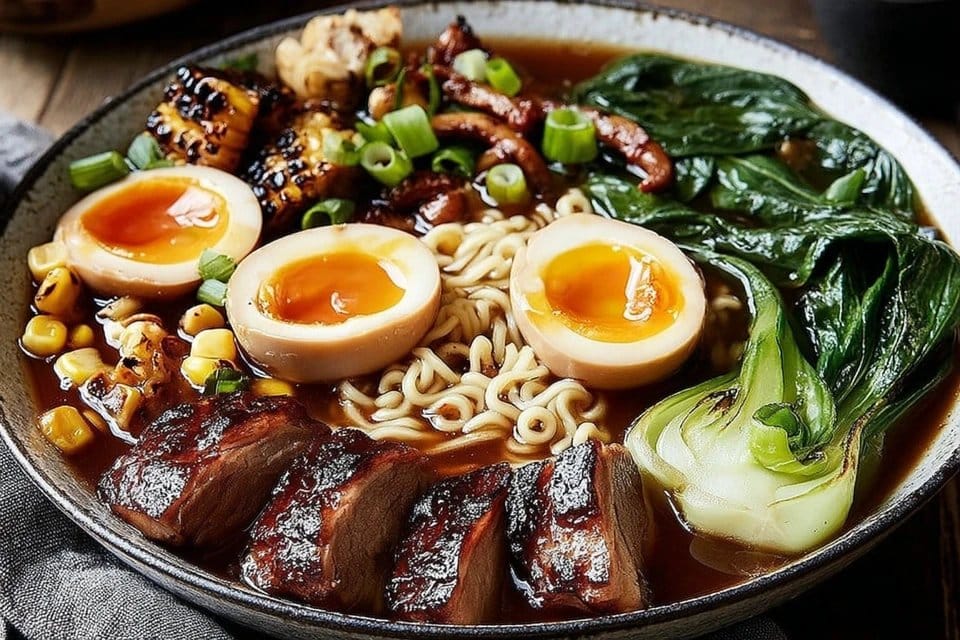
When you craft your ramen at home, each ingredient shines. The noodles, slightly chewy and tender, act as the perfect canvas for the aromatic broth. You can elevate the experience further with toppings that add layers of flavor: sautéed mushrooms, tender greens, and perhaps a soft-boiled egg with its yolk flowing like liquid gold. The unique flavor profile invites families and friends to gather around the table, sharing laughs over steaming bowls—a true celebration of comfort and togetherness.
Why This Recipe Is a Family Favorite and Crowd-Pleaser
I often find that my family can’t resist the allure of Homemade Ramen. There’s just something about this dish that feels incredibly inviting. On rainy Sundays, when the waves crash nearby, I whip up a batch, and it transforms any dreary day into a joyful feast. My children delight in customizing their bowls, choosing their favorite toppings, and exploring flavors they never knew they loved.
It’s more than just a meal; it’s an experience that brings everyone together. Friends who visit often ask for the recipe, and the joy of sharing it fills my heart. There’s a deeply satisfying feeling that comes from watching others savor something I’ve made with love. I believe that’s the magic of cooking—it nurtures both the body and soul.
Ingredients and Preparation
Essential Ingredients and Possible Substitutions
Creating Homemade Ramen invites you to experiment with various flavors and textures. Here’s what you’ll typically need:
- Ramen noodles (fresh or dried)
- Broth (chicken, pork, vegetable, or miso)
- Soy sauce or tamari for depth
- Mirin for a hint of sweetness
- Fresh ginger and garlic for aromatic warmth
- Toppings: soft-boiled eggs, green onions, bamboo shoots, sliced pork (or tofu for a vegetarian option), and seaweed
If you find some ingredients harder to come by, don’t fret! Fresh ginger can be swapped with ginger powder in a pinch, and if you don’t have eggs, roasted vegetables or crispy tofu can serve as delicious alternatives. The beauty of this dish lies in its adaptability—feel free to use what you have and let your creativity shine.
Step-by-Step Recipe Instructions with Tips
Prepare the Broth: In a large pot, combine your choice of broth with ginger, garlic, soy sauce, and mirin. Bring it to a gentle simmer, allowing the flavors to meld beautifully. If you have time, let it simmer for at least 30 minutes. The longer it simmers, the richer the flavor!
Boil the Noodles: In another pot, bring water to a rolling boil. Add the ramen noodles, cooking them according to package instructions—usually just a few minutes for fresh noodles. Drain and rinse under cold water to stop the cooking process. This keeps them from becoming mushy.
Soft-Boil the Eggs: For that luscious, creamy yolk, gently place your eggs in boiling water for about 7 minutes. Transfer them to an ice bath to cool, then peel and slice in half just before serving.
Assemble Your Ramen: In deep bowls, place a generous serving of noodles, ladle the hot broth over them, and arrange your favorite toppings on top: sliced green onions, mushrooms, a soft-boiled egg, sesame seeds, and perhaps a sprinkle of chili oil for a kick!
Serve: Call your family to the table, and expect smiles all around as you serve up a bowl of warmth and love. Enjoy each bite, knowing you’ve crafted something comforting and delicious from your kitchen.
Cooking Techniques and Tips
How to Cook Homemade Ramen Perfectly
Cooking Homemade Ramen to perfection takes practice, but a few key techniques can help guide you. Start with high-quality noodles—they shouldn’t be overcooked; you want them firm enough to hold up against the broth without turning mushy. When preparing the broth, avoid boiling it aggressively; a gentle simmer allows the flavors to deepen beautifully.
Using fresh ingredients is paramount. Follow the steps in sequence, and don’t try to rush through it. Allow your broth to simmer for as long as you can; even a few hours will enhance the flavor significantly. A well-crafted broth can make all the difference in your ramen experience.
Common Mistakes to Avoid
As you embark on your ramen-making journey, be wary of a few common pitfalls. One of the most frequent mistakes is neglecting the broth. A flavorful broth is the heart of Homemade Ramen. Don’t settle for anything less than savory goodness. Also, be cautious with seasoning; it’s easy to add too much salt or soy sauce, so taste as you go.
Overcooking the noodles is another misstep; they should remain firm and springy. Lastly, remember to have all your toppings prepared and ready to go before serving. A completed bowl of ramen should be hot and fresh, inviting your loved ones to dig in immediately.
Health Benefits and Serving Suggestions
Nutritional Value of Homemade Ramen
When fashioned thoughtfully, Homemade Ramen can be a nourishing meal. Incorporating plenty of vegetables like bok choy, mushrooms, and carrots increases the nutritional value significantly. The protein from eggs or tofu, combined with healthy fats from sesame seeds and oils, provides a balanced dish. Plus, you create a comforting experience that warms the heart.
If you go for a miso broth, you introduce probiotics, which are beneficial for gut health. Always aim to include fresh herbs like cilantro, which adds not only flavor but also vitamins.
Best Ways to Serve and Pair This Dish
While Homemade Ramen stands beautifully on its own, consider complementing it with side dishes to create a full dining experience. A light Japanese cucumber salad or even a side of edamame can enhance your meal. When it comes to drinks, a chilled sake or green tea adds an elegant touch to a cozy evening.
Whether serving on rainy nights or during family gatherings, this dish invites warmth, laughter, and conversation around the table, making every meal memorable.
FAQ Section
What type of mushrooms are best for Homemade Ramen?
For Homemade Ramen, shiitake mushrooms are a fantastic choice. Their earthy flavor enhances the broth beautifully, bringing out its umami qualities. You can also experiment with enoki mushrooms for a delicate texture or wood ear mushrooms for a bit of crunch.
Can I use dried garlic instead of fresh?
Absolutely! While fresh garlic offers a vibrant punch, dried garlic can be a convenient substitute. Use garlic powder or granules, but remember that they have a more concentrated flavor, so start with a smaller amount and adjust to taste.
How do I store leftover Homemade Ramen?
To store your Homemade Ramen, separate the broth and noodles if possible. Keep the broth in an airtight container in the fridge for up to 3-4 days. The noodles can also be stored separately. When reheating, add a splash of water to the broth to refresh it and cook the noodles until just heated through.
Can I freeze Homemade Ramen?
Yes, you can freeze your Homemade Ramen! Store the broth in a freezer-safe container and the noodles separately. Just remember that the texture of the noodles may change slightly after thawing, so it’s best to cook them fresh when you’re ready to enjoy your ramen.
In closing, I invite you to embrace the joy of crafting Homemade Ramen in your own kitchen. If you’re like me, the process of creating this beautiful dish is more than just a cooking adventure; it’s a heartfelt journey that connects us to family, friends, and the warmth of home. Trust me, you’ll want to make this again and again, sharing laughter and love with every nourishing bowl you serve. With a sprinkling of creativity and the warmth of your cooking spirit, your ramen will truly become a cherished favorite.
for more recipes follow me in pinterest
for more recipes : https://www.quickusarecipe.com/caramel-apple-monkey-bread/
Print
The Ultimate Homemade Ramen Recipe
- Total Time: 45 minutes
- Yield: 4 servings
- Diet: Vegetarian (if using tofu and vegetable broth)
Description
A comforting bowl of homemade ramen with rich umami flavors, perfect for any occasion.
Ingredients
- Ramen noodles (fresh or dried)
- Broth (chicken, pork, vegetable, or miso)
- Soy sauce or tamari
- Mirin
- Fresh ginger
- Fresh garlic
- Toppings: soft-boiled eggs, sliced green onions, bamboo shoots, sliced pork (or tofu), seaweed
Instructions
- Prepare the broth: In a large pot, combine the broth with ginger, garlic, soy sauce, and mirin. Simmer for at least 30 minutes to deepen the flavors.
- Boil the noodles: Cook the ramen according to package instructions; drain and rinse under cold water.
- Soft-boil the eggs: Gently boil the eggs for about 7 minutes, cool in an ice bath, then peel and slice.
- Assemble your ramen: In bowls, place noodles, pour hot broth, and top with green onions, mushrooms, egg, sesame seeds, and chili oil.
- Serve: Share with family and enjoy the comforting dish together.
Notes
Experiment with different toppings and broth types to create your perfect ramen.
- Prep Time: 15 minutes
- Cook Time: 30 minutes
- Category: Main Course
- Method: Boiling and Simmering
- Cuisine: Japanese
Nutrition
- Serving Size: 1 serving
- Calories: 400
- Sugar: 6g
- Sodium: 800mg
- Fat: 15g
- Saturated Fat: 3g
- Unsaturated Fat: 10g
- Trans Fat: 0g
- Carbohydrates: 56g
- Fiber: 4g
- Protein: 18g
- Cholesterol: 80mg
Keywords: ramen, homemade, comfort food, Japanese cuisine, family recipe
