
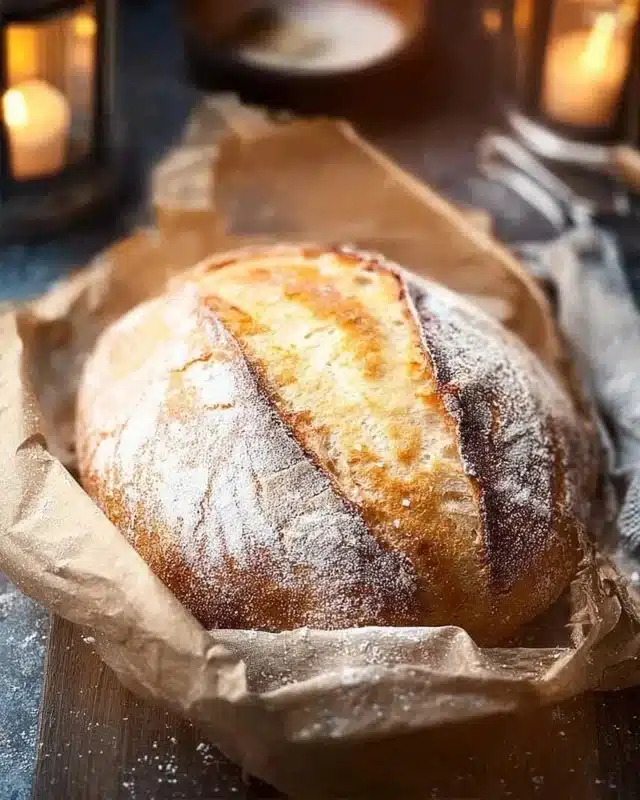
I remember the day I learned what good sourdough could be: the kitchen smelled of warm wheat and a faint tang, and my hands were dusted with flour like a baker’s confetti. The first time I baked what I now call the Best Ever Sourdough Bread, I woke at dawn to tend the starter and felt a childlike anticipation, because I knew the crust would sing when it met the oven. That loaf taught me patience, and because of that patience I learned to read the dough like a weather map — when it wanted a longer rest, when it needed a little more warmth. Even years later, I still smile at the memory of that perfect oven spring and share regional tips in my notes, including a practical comparison on regional sourdough variations in Toronto, which helped me refine texture and taste for friends who live far from the coast.
Flavor and Popularity
The Unique Flavor Profile of Best Ever Sourdough Bread
Sourdough carries a complexity that no commercial yeast loaf can match, and the Best Ever Sourdough Bread highlights that depth with a bright, tangy crumb and a caramelized, crackly crust. The fermentation process builds organic acids and subtle lactic notes, which create an almost buttery mouthfeel despite the simple ingredient list. Meanwhile, the slow rise develops an earthy, umami backbone, and when you score the loaf before baking, the open crumb traps steam so the interior stays tender while the exterior crisps.
Because the starter evolves over days and months, each loaf tastes like a time capsule. You’ll notice floral esters on some mornings and deeper nutty tones on others, and herbs or a touch of sautéed garlic can play beautifully against that tang. The Best Ever Sourdough Bread manages to be rustic and refined at once, which makes it a favorite for both casual breakfasts and elegant dinner spreads.
Why This Recipe Is a Family Favorite and Crowd-Pleaser
Families and dinner guests return to this loaf because it complements almost any dish. It soaks up soups without falling apart, and it toasts to a perfect, buttery crisp for breakfast. In my kitchen, it becomes the backbone of simple meals: a skillet of sautéed mushrooms piled on thick slices, or a tangy tomato jam spread over warm rounds. The crumb holds toppings without collapsing, while the crust provides that satisfying contrast everyone raves about.
Beyond texture, people love the ritual. Because fermentation requires intention, sharing a loaf becomes a shared story: we fed the starter together, we waited for the perfect rise, and then we sliced into something honest and memorable. That emotional connection makes the Best Ever Sourdough Bread a crowd-pleaser every time.
Ingredients and Preparation
Essential Ingredients and Possible Substitutions
- 500g bread flour (or 450g bread flour + 50g whole wheat for a nuttier profile)
- 350–380g water at room temperature (hydration affects crumb openness; increase for a more open crumb)
- 100g active sourdough starter (fed and bubbly)
- 10g fine sea salt
- Optional: 20–30g olive oil for a softer crust; 1–2 tbsp honey or malt for deeper color
Substitutions and notes: - If you prefer a whole-grain loaf, swap up to 30% of the bread flour with rye or whole wheat, but reduce water slightly because whole grains absorb more.
- For a milder flavor, use a younger starter that peaked more recently; for tangier results, let the starter ferment a bit longer before mixing.
- If you need a gluten-free option, sourdough technique differs greatly; this recipe targets traditional wheat-based sourdough.
Step-by-Step Recipe Instructions with Tips
Prepare your starter: feed it 6–12 hours before mixing so it becomes active and peaks. First, weigh your ingredients precisely because sourdough rewards patience and accuracy. Next, mix the starter and water in a large bowl, and then add the flour. Use a fold-and-rest method: mix until no dry flour remains, then let the dough autolyse for 30–45 minutes to develop gluten without kneading.
After autolyse, add salt and incorporate it by pinching and folding. Perform a series of stretch-and-folds every 30 minutes for the next two hours; this builds structure gently. Meanwhile, maintain room temperature around 72°F (22°C), because temperature dramatically affects fermentation speed. Once the dough feels supple and shows bubbles under the surface, transfer it to a clean, lightly oiled container for bulk fermentation.
Bulk ferment for 3–5 hours depending on warmth, folding the dough twice more during this time. Then, shape the loaf into a tight boule or bâtard and place it seam-side up in a floured banneton. Proof the loaf either at room temperature for 1–3 hours until puffy, or retard it in the refrigerator overnight for a deeper flavor and easier timing.
To bake: preheat your oven to 475°F (245°C) with a Dutch oven or baking stone inside. When ready, invert the loaf onto parchment, score the top to control expansion, and place it into the hot vessel. Bake covered for 20 minutes to trap steam and promote oven spring, then uncover and bake another 20–30 minutes until the crust achieves a deep mahogany color.
Tips for success: use steam for a glossy crust, and rotate the loaf if your oven has cold spots. Use an instant-read thermometer to ensure the crumb reaches at least 205°F (96°C) for a fully baked interior. Finally, cool the loaf completely on a rack; although it tempts you to slice it hot, cooling finishes the interior structure.
Cooking Techniques and Tips
How to Cook Best Ever Sourdough Bread Perfectly
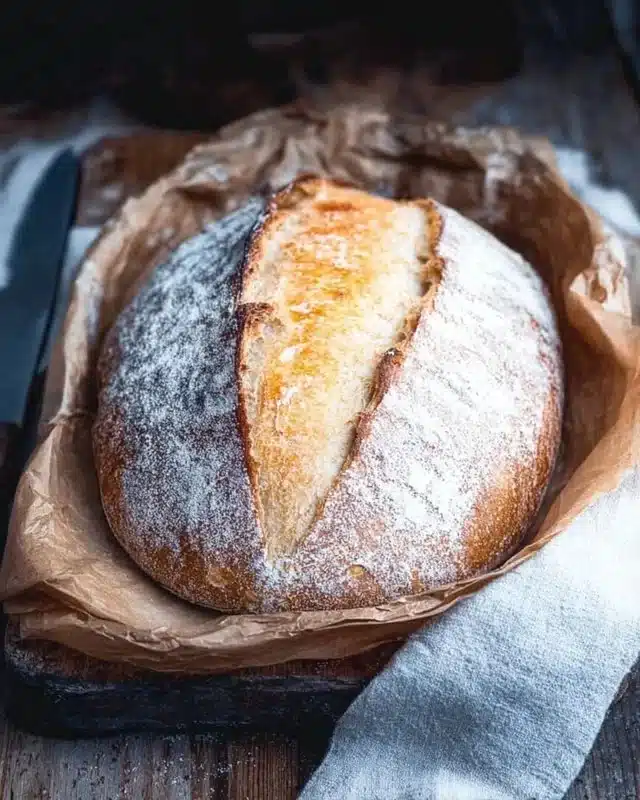
Mastering the oven spring and crust requires heat, steam, and timing. First, preheat thoroughly—your vessel must be scorching to give a dramatic first blast of heat. Next, trap steam for the first half of the bake by covering the loaf; steam delays crust formation and allows the loaf to expand more, so you get that lofty, open crumb. After you remove the cover, the crust will brown and crisp.
Score with intention: use a sharp lame or razor to create shallow cuts that guide expansion; a single long slash creates the elegant ear many bakers chase. Also, monitor hydration: wetter doughs give a more open crumb but demand more skill in handling. If your dough feels sticky, practice wet-hand shaping to avoid tearing. Finally, for a richly flavored crust, brush the loaf lightly with a bit of olive oil or water just before the final bake.
Common Mistakes to Avoid
Avoid these pitfalls to keep your loaf from turning dense or collapsing. First, don’t underfeed your starter; an underfed starter lacks the strength to leaven properly. Second, resist the urge to rush bulk fermentation—underproofed dough yields tight crumb, while overproofed dough can collapse in the oven. Third, avoid over-handling during shaping; aggressive shaping knocks out the gas you worked so hard to nurture.
Also, don’t skimp on preheating the oven or the baking vessel; insufficient heat ruins oven spring. Finally, cut into a hot loaf too quickly and you’ll get a gummy center; patience rewards you with a fully set crumb and better flavor.
Health Benefits and Serving Suggestions
Nutritional Value of Best Ever Sourdough Bread
Sourdough offers nutritional benefits that many people notice. Because lactic acid bacteria ferment the dough slowly, they predigest some of the starches and can reduce phytates in whole grains, improving mineral absorption. The result often feels lighter on digestion compared with commercial quick breads. Moreover, sourdough fermentation can produce B vitamins and beneficial acids that contribute to gut-friendly flavors.
Nutritionally, a slice of sourdough provides complex carbohydrates, modest protein, and small amounts of dietary fiber (especially if you include whole grains). Add toppings like avocado, eggs, or a smear of natural nut butter to boost protein and healthy fats, thereby creating a balanced meal.
Best Ways to Serve and Pair This Dish
Serve the Best Ever Sourdough Bread warm with soft butter and flaky salt for a classic start. For a savory pairing, top toast with sautéed mushrooms and thyme, or spoon a simple stew over thick slices to soak up every drop. The loaf also shines with simple cheeses—think aged cheddar or a creamy Brie—and a drizzle of herb-infused olive oil.
For brunch, make open-faced sandwiches with smoked salmon, lemon, and dill. For dinner, pair a hearty soup or stew with thick slices torn by hand. Because the flavor profile balances tang, crusty texture, and an open crumb, the loaf complements both buttery and acidic accompaniments. If you want tips on preserving texture, I detail methods in my guide to the best way to store sourdough bread, which helps keep your crust crisp and crumb tender between meals.
Frequently Asked Questions
What type of mushrooms are best for Best Ever Sourdough Bread?
For toppings and warm toasts, I prefer cremini or shiitake because they offer a meaty texture and deep umami that pair magnificently with sourdough’s tang. Oyster mushrooms work beautifully too, as they become tender quickly and carry butter and herbs well. Sauté them in olive oil and finish with a splash of balsamic for a savory topping.
Can I use dried garlic instead of fresh?
You can, but fresh garlic delivers a brighter, more vibrant flavor when sautéed for toppings. Dried garlic works in a pinch and adds convenience; however, rehydrate it briefly in warm oil or water to revive its potency, then cook gently so it doesn’t taste powdered or chalky.
How do I store leftover Best Ever Sourdough Bread?
Store leftover sourdough at room temperature in a paper bag or a bread box to maintain a crisp crust while preventing moisture buildup. For longer short-term storage, wrap the loaf in a clean tea towel after it cools; this balances crust and crumb. For step-by-step strategies, check my guide to the best way to store sourdough bread to prolong freshness without losing texture.
Can I freeze Best Ever Sourdough Bread?
Yes, freeze sliced or whole loaves wrapped tightly in plastic and then in foil or a freezer bag. Freeze when completely cool, and thaw at room temperature or toast slices directly from frozen for best results. Freezing preserves flavor and texture for up to three months when done properly.
Conclusion
If you’re like me, you’ll find that baking the Best Ever Sourdough Bread becomes less about perfection and more about practice, patience, and the quiet pleasure of watching fermentation do its slow magic. There’s something comforting about feeding a starter, listening for that first soft pop of bubbles, and then sharing the warm, tangy slices with people you love. Trust me, you’ll want to make this again and again; each loaf tells a little story, and every story tastes better with butter.
Print
Best Ever Sourdough Bread
- Total Time: 12 hours 40 minutes
- Yield: 1 loaf 1x
- Diet: Vegetarian
Description
This sourdough bread recipe yields a tangy, rustic loaf with a caramelized crust and airy crumb, perfect for any meal.
Ingredients
- 500g bread flour (or 450g bread flour + 50g whole wheat)
- 350–380g water at room temperature
- 100g active sourdough starter (fed and bubbly)
- 10g fine sea salt
- Optional: 20–30g olive oil
- Optional: 1–2 tbsp honey or malt
Instructions
- Feed your starter 6–12 hours before mixing.
- Mix starter and water in a large bowl.
- Add the flour and mix until no dry flour remains; let it autolyse for 30–45 minutes.
- Add salt and incorporate by pinching and folding.
- Perform a series of stretch-and-folds every 30 minutes for 2 hours.
- Transfer to a lightly oiled container for bulk fermentation (3–5 hours).
- Shape the loaf into a tight boule or bâtard.
- Proof at room temperature (1–3 hours) or refrigerate overnight.
- Preheat your oven to 475°F (245°C) with a Dutch oven inside.
- Invert the loaf onto parchment, score the top, and place it into the hot vessel.
- Bake covered for 20 minutes, then uncover and bake another 20–30 minutes until deep mahogany.
Notes
For best results, use steam during baking for a glossy crust. Avoid underfeeding the starter and rushing bulk fermentation.
- Prep Time: 12 hours
- Cook Time: 40 minutes
- Category: Bread
- Method: Baking
- Cuisine: Baking
Nutrition
- Serving Size: 1 slice
- Calories: 200
- Sugar: 0g
- Sodium: 300mg
- Fat: 2g
- Saturated Fat: 0g
- Unsaturated Fat: 1g
- Trans Fat: 0g
- Carbohydrates: 40g
- Fiber: 2g
- Protein: 7g
- Cholesterol: 0mg
Keywords: sourdough, bread, baking, homemade, artisan
